
Index:
1. Introduction to Fund Flow and Cash Flow Analysis
2. Fund Flow Analysis in the Global Context
3. Fund Flow Analysis in the Indian Context
4. Real-Life Examples of Fund Flow Analysis
5. Case Studies Illustrating Fund Flow Analysis
6. Numericals and Applications of Fund Flow Analysis
7. Cash Flow Analysis in the Global Context
8. Cash Flow Analysis in the Indian Context
9. Real-Life Examples of Cash Flow Analysis
10. Case Studies Illustrating Cash Flow Analysis
11. Numericals and Applications of Cash Flow Analysis
12. Fund Flow vs. Cash Flow Analysis: Key Differences
13. Benefits and Limitations of Fund Flow and Cash Flow Analysis
14. Conclusion
Introduction to Fund Flow and Cash Flow Analysis
Fund flow and cash flow analysis are essential techniques used by financial professionals to evaluate a company’s financial health and performance. This comprehensive guide provides insights into the movement of funds and cash within an organization, enabling decision-makers to make informed choices and optimize financial strategies.
Fund Flow Analysis in the Global Context
Gain a global perspective on fund flow analysis by understanding its significance in tracking international investments, capital flows, and market trends. Explore real-life examples, such as the impact of foreign direct investment on emerging markets, to develop a practical understanding of fund flow analysis in a global context.
Fund Flow Analysis in the Indian Context
Delve into the intricacies of fund flow analysis in the Indian financial landscape, taking into account public and private sector entities, government policies, and regulatory frameworks. Analyze notable events and market dynamics, such as the impact of demonetization and the implementation of the Goods and Services Tax (GST), to grasp the specific challenges and opportunities faced in India.
Real-Life Examples of Fund Flow Analysis
Illustrate the practical application of fund flow analysis through real-life examples featuring prominent companies and industries. These examples showcase how fund flow analysis can be used to analyze financial statements, identify trends, and evaluate investment opportunities across various sectors, providing a comprehensive understanding of different scenarios.
Case Studies Illustrating Fund Flow Analysis
Delve deeper into specific case studies that demonstrate the practical applications of fund flow analysis. These case studies offer detailed analyses of financial statements, fund flow statements, and interpretation of results. Explore how financial professionals utilize fund flow analysis to assess financial performance, make strategic decisions, and mitigate risks.
Numericals and Applications of Fund Flow Analysis
Develop a strong foundation in fund flow analysis with a series of numerical exercises and practical applications. The exercises simulate real-world scenarios, enabling readers to apply fund flow analysis techniques to solve problems and make informed financial decisions. A step-by-step approach ensures clarity and understanding throughout.
Cash Flow Analysis in the Global Context
Explore the significance of cash flow analysis in international business, risk management, and investment evaluation. Real-world examples, including the impact of exchange rate fluctuations on cash flows, provide insights into the complexities of global cash flow analysis and its applications.
Cash Flow Analysis in the Indian Context
Focus on cash flow analysis in the Indian context, highlighting the unique challenges faced by Indian businesses. Examine examples such as cash flow management during economic downturns, the impact of government policies on cash flows, and the role of working capital management in sustaining cash flow stability. Real-life examples and case studies provide practical applications of cash flow analysis in the Indian context.
Examples, Case Studies, and Numericals
Real-Life Examples of Fund Flow Analysis:
1. Example: Company A, a manufacturing company, experiences a significant increase in its long-term borrowings over a year. Upon analyzing the fund flow statement, it is revealed that the company utilized the borrowed funds to expand its production capacity, resulting in higher sales and improved profitability.
2. Example: Company B, a technology startup, receives a substantial amount of venture capital funding. By examining the fund flow statement, it becomes evident that the company utilized the investment to finance research and development activities, leading to the development of innovative products and expansion into new markets.
Case Study: Retail Sector Analysis
Case Study Overview:
Analyze the fund flow statements of three major retail companies operating in different regions—Company X in the United States, Company Y in Europe, and Company Z in Asia. Assess their financial performance and identify the factors influencing fund flow in each case.
Numericals and Applications of Fund Flow Analysis:
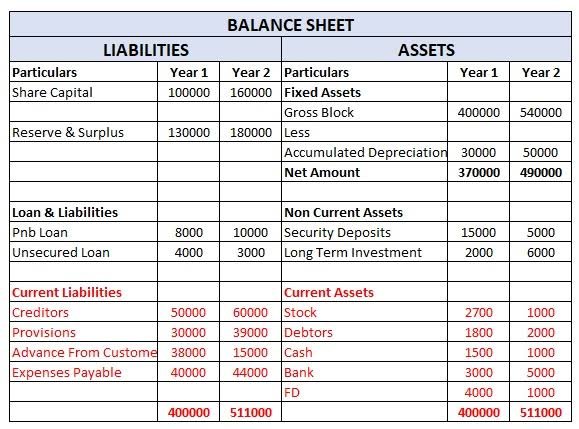
1. Numerical: Consider the following financial data for Company XYZ:
Opening Cash Balance: $50,000
Net Profit: $100,000
Depreciation Expense: $20,000
Increase in Accounts Receivable: $30,000
Dividend Paid: $40,000
Increase in Long-Term Borrowings: $50,000
Purchase of Machinery: $70,000
Increase in Inventory: $10,000
Calculate the fund flow from operations and the fund flow from investing activities.
Solution:
Fund Flow from Operations:
Net Profit: $100,000
Add: Depreciation Expense: $20,000
Increase in Accounts Receivable: $30,000
Decrease in Inventory: -$10,000
Fund Flow from Operations: $140,000
Fund Flow from Investing Activities:
Purchase of Machinery: $70,000
Fund Flow from Investing Activities: -$70,000
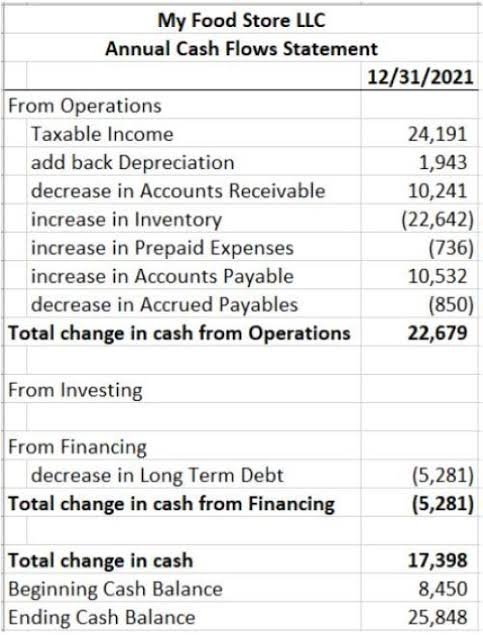
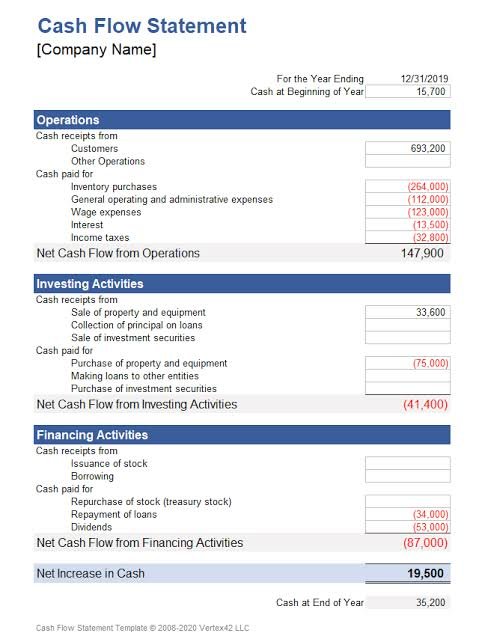
Numerical Example for Cash Flow Analysis:
Consider the following cash flow data for Company ABC:
Operating Cash Flow: $200,000
Investing Cash Flow: -$50,000
Financing Cash Flow: -$100,000
Net Change in Cash: $50,000
Calculate the cash flow from operations, cash flow from investing activities, and cash flow from financing activities.
Solution:
Cash Flow from Operations:
Operating Cash Flow: $200,000
Cash Flow from Operations: $200,000
Cash Flow from Investing Activities:
Investing Cash Flow: -$50,000
Cash Flow from Investing Activities: -$50,000
Cash Flow from Financing Activities:
Financing Cash Flow: -$100,000
Cash Flow from Financing Activities: -$100,000.
2. Application: Apply fund flow analysis to assess the financial performance of a construction company. Identify the sources and uses of funds during a specific period and evaluate the company’s ability to generate internal funds for future expansion projects.
Real-Life Examples of Cash Flow Analysis:
1. Example: Company A experiences a decline in its operating cash flow despite reporting increased sales revenue. Through cash flow analysis, it is discovered that the company faces challenges with collecting accounts receivable, leading to a cash flow constraint that needs to be addressed.
2. Example: Company B, a service-based business, successfully manages its cash flow by negotiating extended payment terms with suppliers while ensuring prompt collection of accounts receivable. This strategy allows the company to maintain a healthy cash flow position and reinvest in growth initiatives.
Case Study: Cash Flow Analysis for a Start-up
Case Study Overview:
Analyze the cash flow statements of a technology start-up over three years to evaluate its cash flow generation and utilization. Assess the company’s ability to meet short-term obligations, invest in research and development, and sustain operations during the early growth phase.
Numericals and Applications of Cash Flow Analysis:
1. Numerical: Calculate the operating cash flow ratio for a retail company based on the provided cash flow statement and interpret the result to evaluate the company’s liquidity and cash flow management.
2. Application: Apply cash flow analysis to assess the feasibility of an investment project by estimating the project’s cash inflows and outflows over its expected lifespan. Evaluate the project’s profitability and cash flow viability to determine its potential for generating positive returns.
Fund Flow vs. Cash Flow Analysis: Key Differences
Understand the distinctions between fund flow and cash flow analysis, including their objectives, methodologies, and implications. Explore how these analyses differ in assessing financial performance, tracking capital movements, and aiding decision-making. A comprehensive comparison will help readers grasp the unique strengths and limitations of each approach.
Benefits and Limitations of Fund Flow and Cash Flow Analysis
Recognize the benefits and limitations of fund flow and cash flow analysis as tools for financial decision-making. Understand how these analyses contribute to strategic planning, risk management, and performance evaluation. Evaluate the potential challenges and considerations when applying these techniques, enabling informed decision-making.
Conclusion
Summarize the key takeaways from this comprehensive guide on fund flow and cash flow analysis. Highlight the importance of these analyses in financial decision-making, emphasize real-life examples and case studies, and reiterate the benefits and limitations of each approach. Encourage readers to apply these techniques in their own financial analyses to drive informed and strategic decision-making.
 NTA NET PAPER II MANAGEMENT
Leave a comment