



Introduction:
Welcome to our comprehensive guide on accounting principles, where we will explore the fundamental concepts and practices that govern financial accounting. Whether you’re a business owner, student, or simply curious about the world of accounting, this blog post will provide you with valuable insights into the subject. We will cover various accounting principles, real-life examples, case studies, and their application in both global and Indian contexts. So, let’s dive in!
Table of Contents:
1. Introduction
2. Importance of Accounting Principles
3. Basic Accounting Principles
3.1. Entity Principle
3.2. Going Concern Principle
3.3. Monetary Unit Principle
3.4. Time Period Principle
3.5. Historical Cost Principle
3.6. Revenue Recognition Principle
3.7. Matching Principle
3.8. Full Disclosure Principle
4. World Context: Accounting Principles in Action
4.1. Enron Scandal
4.2. Lehman Brothers Collapse
5. Indian Context: Accounting Principles in Action
5.1. Satyam Scandal
5.2. IL&FS Crisis
6. Case Studies: Real-Life Examples
6.1. Case Study 1: Creative Accounting at WorldCom
6.2. Case Study 2: Accounting Irregularities at Olympus Corporation
7. Conclusion
Importance of Accounting Principles:
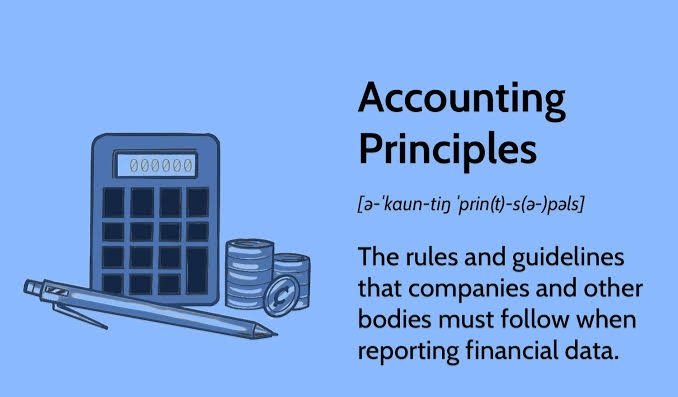
Accounting principles are the foundation of financial reporting, ensuring transparency, comparability, and reliability of financial information. They provide guidelines for recording, measuring, and communicating financial transactions. By adhering to accounting principles, businesses can maintain consistency in financial reporting, enabling stakeholders to make informed decisions.
Basic Accounting Principles:
1. Entity Principle: A business’s financial transactions are separate from the personal finances of its owners.
2. Going Concern Principle: Assumes that a business will continue to operate indefinitely unless there is evidence to the contrary.
3. Monetary Unit Principle: All financial transactions must be recorded in a common monetary unit, such as the local currency.
4. Time Period Principle: Financial information should be reported for specific and regular time periods.
5. Historical Cost Principle: Assets should be recorded at their original cost, not at their current market value.
6. Revenue Recognition Principle: Revenue should be recognized when it is earned, regardless of when payment is received.
7. Matching Principle: Expenses should be recorded in the same period as the revenue they help generate.
8. Full Disclosure Principle: Financial statements should include all necessary information to ensure transparency.
World Context: Accounting Principles in Action:
4.1. Enron Scandal: A case study of fraudulent accounting practices that led to the downfall of Enron, one of the largest energy companies in the world.
4.2. Lehman Brothers Collapse: Exploring the role of accounting principles in the financial crisis of 2008, specifically focusing on Lehman Brothers’ accounting manipulation.
Indian Context: Accounting Principles in Action:
5.1. Satyam Scandal: Unraveling the accounting fraud at Satyam Computer Services, one of India’s leading IT companies, and its impact on stakeholders.
5.2. IL&FS Crisis: Analyzing the accounting irregularities and mismanagement that caused the Infrastructure Leasing & Financial Services (IL&FS) crisis in India.
Case Studies: Real-Life Examples:
6.1. Case Study 1: Creative Accounting at WorldCom: Investigating the fraudulent accounting practices that led to the bankruptcy of WorldCom, one of the largest telecommunications companies in the United States.
6.2. Case Study 2: Accounting Irregularities at Olympus Corporation: Examining the accounting scandal at Olympus Corporation, a Japanese multinational corporation, and the consequences it had on the company’s reputation.
Conclusion:
In this comprehensive guide, we explored the fundamental accounting principles that serve as the backbone of financial reporting. By understanding and applying these principles, individuals and businesses can ensure transparency, accuracy, and reliability in their financial statements. We also examined real-life examples and case studies, both globally and within the Indian context, to highlight the significance and implications of accounting principles in practice.
Remember, accounting principles are not only crucial for businesses but also for individuals who seek to make informed financial decisions. By grasping these principles and their applications, you can navigate the world of finance with confidence.
https://pagead2.googlesyndication.com/pagead/js/adsbygoogle.js?client=ca-pub-3482330748000937
 NTA NET PAPER II MANAGEMENT
Leave a comment