
Introduction:
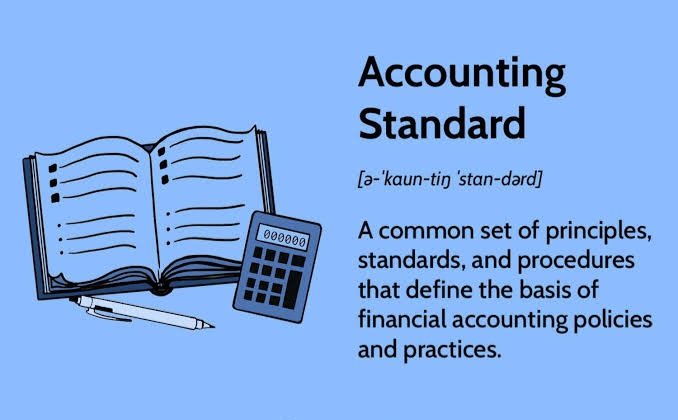
Accounting standards play a crucial role in ensuring financial transparency, comparability, and reliability across organizations worldwide. In this blog post, we will delve into the world of accounting standards, exploring their significance, key principles, and their impact on businesses in both global and Indian contexts. Through real-life examples and case studies, we aim to simplify complex concepts and provide actionable insights. This comprehensive guide is designed to help businesses navigate the ever-changing landscape of accounting standards.
Table of Contents:
1. Introduction
2. Importance of Accounting Standards
3. Global Accounting Standards
3.1 International Financial Reporting Standards (IFRS)
3.2 U.S. Generally Accepted Accounting Principles (GAAP)
4. Indian Accounting Standards (Ind AS)
4.1 Evolution and Adoption of Ind AS
4.2 Key Differences between Ind AS and IFRS
5. Impact of Accounting Standards on Businesses
5.1 Financial Reporting and Disclosures
5.2 Investor Confidence and Capital Markets
5.3 Compliance and Regulatory Requirements
6. Real-Life Examples and Case Studies
6.1 Enron: Lessons Learned
6.2 Satyam Scandal: An Indian Accounting Fraud
6.3 Lehman Brothers: Implications of Financial Reporting
7. Challenges in Implementing Accounting Standards
7.1 Interpretation and Consistency
7.2 Transition and Training
7.3 Complexity and Cost
8. Strategies for Successful Implementation
8.1 Ensuring Compliance
8.2 Leveraging Technology
8.3 Enhancing Governance and Internal Controls
9. Conclusion
10. References
Section 2: Importance of Accounting Standards
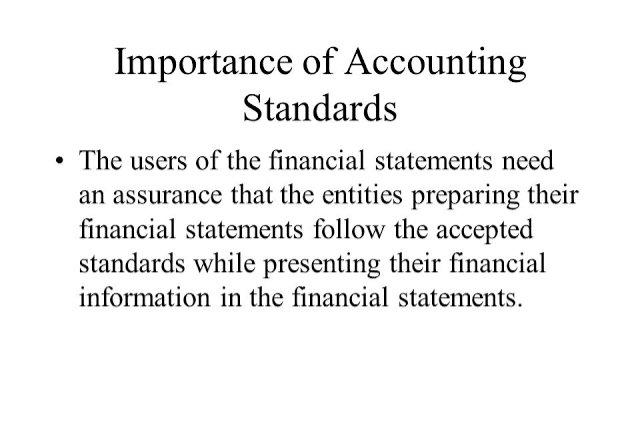
Accounting standards are fundamental guidelines that provide a framework for preparing and presenting financial statements. By establishing consistent practices and principles, accounting standards facilitate accurate financial reporting, transparency, and comparability. This section will discuss the significance of accounting standards in ensuring fair representation of a company’s financial health.
Section 3: Global Accounting Standards
This section will introduce two prominent sets of accounting standards: International Financial Reporting Standards (IFRS) and U.S. Generally Accepted Accounting Principles (GAAP). Exploring their origins, key features, and global adoption, we will highlight their impact on businesses operating in various jurisdictions.
Section 4: Indian Accounting Standards (Ind AS)
With the convergence of Indian accounting standards to IFRS, India has adopted a modified version known as Ind AS. This section will cover the evolution of Ind AS, its key differences from IFRS, and the implications for businesses in India.
Section 5: Impact of Accounting Standards on Businesses
Accounting standards have far-reaching effects on businesses. This section will discuss how compliance with accounting standards influences financial reporting, investor confidence, and regulatory requirements. Real-life examples and case studies will be provided to illustrate these impacts.
Section 6: Real-Life Examples and Case Studies
Drawing from real-life scenarios, this section will present notable case studies, including the Enron scandal, Satyam fraud, and the collapse of Lehman Brothers. These case studies will shed light on the consequences of non-compliance with accounting standards and the subsequent implications for businesses and stakeholders.
Section 7: Challenges in Implementing Accounting Standards
Implementing accounting standards can present various challenges for businesses. This section will explore common hurdles, such as interpretation issues, transition complexities, and cost implications, offering insights into how organizations can overcome them effectively.
Section 8:
Strategies for Successful Implementation
To ensure successful implementation of accounting standards, businesses need to adopt appropriate strategies. This section will provide practical suggestions, including the importance of compliance, leveraging technology for financial reporting, and strengthening governance and internal controls.
Conclusion:
Accounting standards are indispensable for businesses operating in a global and Indian context. By adhering to these standards, organizations can achieve greater financial transparency, build investor trust, and ensure regulatory compliance. This blog post has provided a comprehensive overview of accounting standards, supported by real-life examples and case studies, to equip businesses with the knowledge and insights necessary to navigate the complex world of financial reporting.
 NTA NET PAPER II MANAGEMENT
Leave a comment