Index:
1. Introduction: The Significance of International HRM
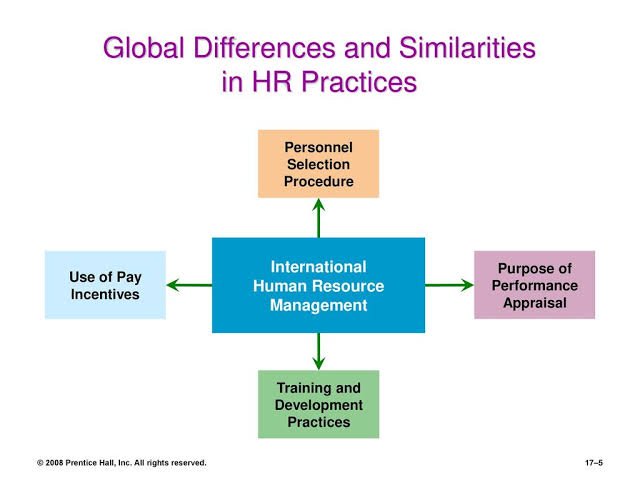
2. Challenges in International HRM
a. Cultural Diversity and Communication
b. Legal and Regulatory Compliance
c. Recruitment and Selection
d. Training and Development
e. Compensation and Benefits
3. Best Practices in International HRM
a. Cross-Cultural Training Programs
b. Developing Global Leadership
c. Tailoring HR Policies to Local Contexts
d. Implementing Effective Performance Management Systems
e. Building a Strong Employer Brand
4. Real-Life Examples of Successful International HRM
a. Microsoft: Embracing Diversity and Inclusion Globally
b. Unilever: Customizing HR Policies for Local Markets
5. Case Studies in International HRM
a. Volkswagen: Multicultural Team Collaboration
b. Nestlé: Adapting Recruitment Strategies for Global Expansion
c. IBM: Implementing a Global Performance Appraisal System
6. Conclusion: Navigating the Challenges and Maximizing Opportunities in International HRM
7. Categories
Introduction: The Significance of International HRM
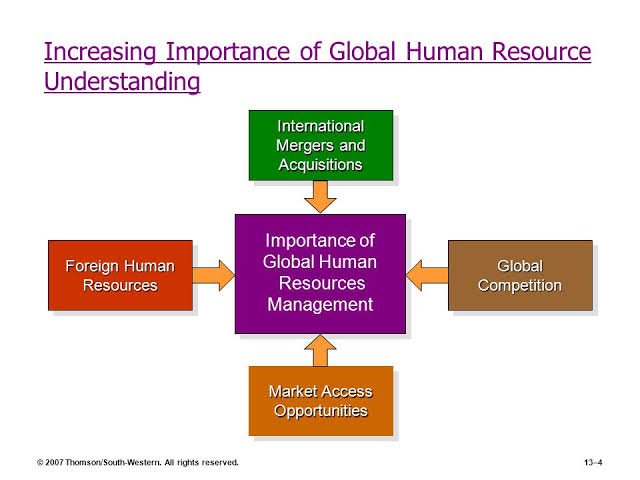
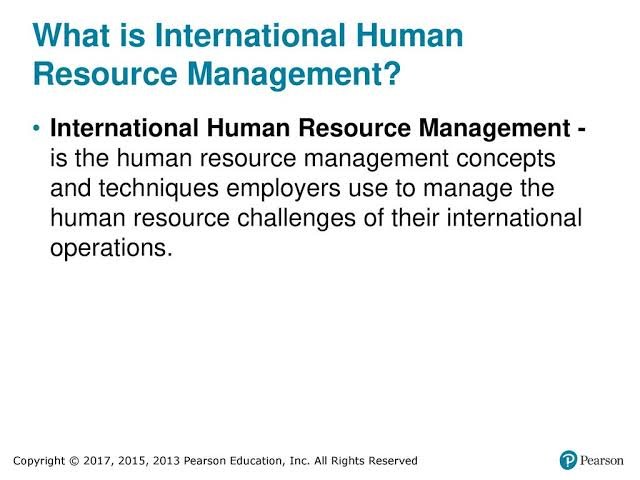
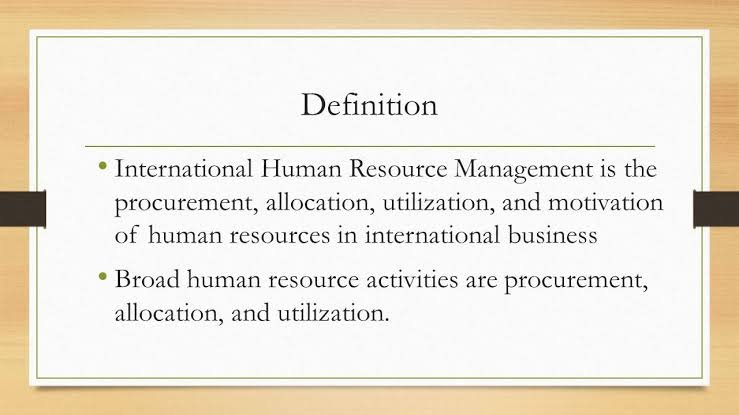
In today’s interconnected world, businesses are expanding their operations across borders, necessitating effective management of a global workforce. International Human Resource Management (HRM) plays a pivotal role in ensuring that organizations can attract, develop, and retain the right talent to achieve their objectives in diverse markets. This blog post explores the challenges faced in international HRM and highlights best practices through real-life examples and case studies.
Challenges in International HRM
a. Cultural Diversity and Communication: Managing a workforce with diverse cultural backgrounds requires sensitivity and effective communication strategies to bridge potential gaps.
b. Legal and Regulatory Compliance: Adhering to local labor laws, regulations, and employment practices in each country of operation is crucial for compliance and mitigating legal risks.
c. Recruitment and Selection: Recruiting and selecting the right candidates across different countries involves understanding local labor markets, adapting recruitment strategies, and ensuring fair and unbiased selection processes.
d. Training and Development: Providing adequate training and development opportunities for employees across different geographies requires adapting training programs to suit cultural nuances and language barriers.
e. Compensation and Benefits: Designing equitable compensation and benefits structures that align with local market conditions and comply with legal requirements pose significant challenges.
Best Practices in International HRM
a. Cross-Cultural Training Programs: Implementing comprehensive cross-cultural training programs helps employees develop cultural intelligence, facilitating effective collaboration and communication across borders.
b. Developing Global Leadership: Nurturing global leadership capabilities through talent development initiatives ensures that organizations have skilled leaders who can navigate the complexities of international business.
c. Tailoring HR Policies to Local Contexts: Adapting HR policies to comply with local laws, customs, and employee expectations fosters a harmonious work environment and helps build trust with local employees.
d. Implementing Effective Performance Management Systems: Deploying consistent performance management systems enables organizations to evaluate employee performance objectively and provide appropriate feedback and recognition.
e. Building a Strong Employer Brand: Creating a strong employer brand globally enhances the organization’s reputation, making it an employer of choice and attracting top talent.
Real-Life Examples of Successful International HRM
Microsoft: Embracing Diversity and Inclusion Globally
Microsoft Corporation, a multinational technology company, has successfully implemented strategies to manage a diverse global workforce. They prioritize diversity and inclusion through various initiatives such as employee resource groups, mentorship programs, and inclusive hiring practices. By promoting a culture of acceptance and respect, Microsoft fosters an inclusive environment where employees from different backgrounds can thrive, resulting in improved employee engagement and innovation.
Unilever: Customizing HR Policies for Local Markets
Unilever, a consumer goods company operating in multiple countries, has demonstrated success in tailoring HR policies to meet local regulations and cultural expectations. They understand the importance of adapting to local customs and labor laws to build strong relationships with employees. Unilever ensures compliance with regulations while maintaining consistency in their core values, enabling them to effectively manage a global workforce and maintain a positive employer brand image.
Case Studies in International HRM
Volkswagen: Multicultural Team Collaboration
Volkswagen, a global automotive company, faced the challenge of promoting collaboration among multicultural teams across different countries. By implementing cross-cultural training programs, fostering open communication channels, and leveraging technology for virtual collaboration, Volkswagen improved teamwork and productivity. This case study highlights the significance of cultural intelligence and effective communication in managing global teams successfully.
Nestlé: Adapting Recruitment Strategies for Global Expansion
Nestlé, a leading food and beverage company, expanded its operations into emerging markets. They faced the challenge of recruiting and selecting local talent with the necessary skills and cultural fit. Nestlé developed partnerships with local universities, implemented talent acquisition strategies specific to each market, and emphasized diversity in their hiring practices. This case study showcases the importance of adapting recruitment strategies to attract and retain top talent in diverse markets.
IBM: Implementing a Global Performance Appraisal System
IBM, a multinational technology company, implemented a standardized global performance appraisal system to evaluate employee performance consistently across various countries. By establishing clear performance metrics and providing training on the appraisal process, IBM ensured fair evaluations and supported employee development on a global scale. This case study demonstrates the effectiveness of a well-implemented performance management system in a multinational organization.
Conclusion: Navigating the Challenges and Maximizing Opportunities in International HRM
International HRM presents a range of challenges due to cultural diversity, legal compliance, recruitment, training, and compensation. However, by implementing best practices and learning from real-life examples and case studies, organizations can overcome these challenges and unlock the potential of a global workforce. International HRM is an opportunity for organizations to embrace diversity, foster collaboration, and build a strong employer brand, ultimately leading to sustainable success in the global marketplace.
https://pagead2.googlesyndication.com/pagead/js/adsbygoogle.js?client=ca-pub-3482330748000937
 NTA NET PAPER II MANAGEMENT
Leave a comment