Index:
1. Introduction
2. Understanding Green HRM
3. Benefits of Green HRM
4. Real-Life Examples of Green HRM
a. Google: A Tech Giant’s Commitment to Sustainability
b. Patagonia: Leading the Way in Eco-Friendly Employee Benefits
c. Interface: Transforming Carpet Manufacturing with Green HRM
d. Infosys: Driving Sustainable Practices in an Indian Multinational
5. Case Studies in Green HRM
a. Case Study 1: Interface’s Journey towards Sustainability
b. Case Study 2: Infosys’ Comprehensive Green HRM Strategy
6. Implementing Green HRM: Best Practices
a. Creating a Sustainability-Oriented Culture
b. Integrating Environmental Considerations into Talent Acquisition
c. Performance Management and Employee Development
d. Offering Eco-Friendly Employee Benefits
e. Promoting Sustainable Leadership
f. Engaging Employees in Environmental Initiatives
7. Challenges and Solutions in Green HRM Implementation
8. Green HRM in the Indian Context
9. Conclusion
10. Categories: Green HRM, Sustainability, Human Resource Management
Introduction
In today’s fast-paced world, the concept of sustainability has gained significant importance. As organizations strive to minimize their environmental impact, a new approach to human resource management has emerged: Green HRM. This blog post explores the concept of Green HRM, its benefits, and how it can be implemented in both the global and Indian contexts. Through real-life examples and case studies, we will delve into the practical aspects of Green HRM and highlight best practices for fostering sustainable workplaces.
Understanding Green HRM
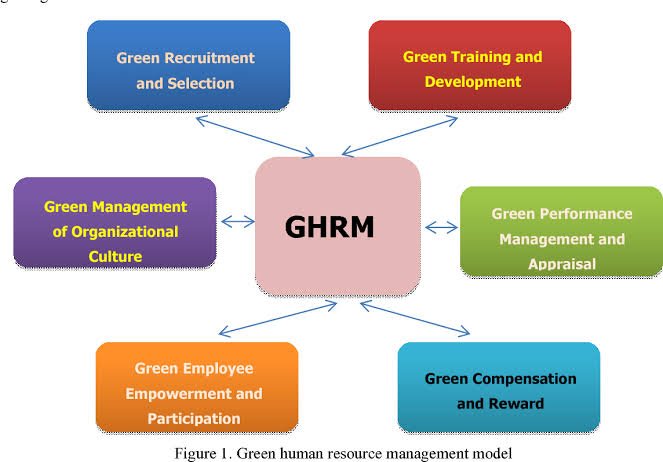
Green HRM refers to the integration of environmental considerations into various HR functions and practices. It encompasses strategies aimed at reducing an organization’s carbon footprint, promoting sustainability, and aligning HR policies with environmental goals. By incorporating environmental initiatives into HR processes, Green HRM aims to create a sustainable and socially responsible work environment.
Benefits of Green HRM
Implementing Green HRM practices yields numerous benefits for organizations. Firstly, it enhances an organization’s reputation and brand image, attracting environmentally conscious customers and investors. Secondly, it reduces costs by optimizing resource utilization and minimizing waste. Additionally, Green HRM fosters employee engagement, improves employee morale, and attracts and retains top talent who are passionate about sustainability.
Real-Life Examples of Green HRM
To illustrate the practical implementation of Green HRM, let’s explore real-life examples of organizations that have successfully embraced sustainable practices.
a. Google: A Tech Giant’s Commitment to Sustainability
Google is renowned for its commitment to sustainability. The company has implemented comprehensive sustainability programs, including employee engagement initiatives, waste reduction measures, and renewable energy usage. Google’s campuses are designed to be environmentally friendly, featuring energy-efficient buildings, sustainable transportation options, and green spaces. Through these initiatives, Google showcases how Green HRM can be effectively integrated into a global organization.
b. Patagonia: Leading the Way in Eco-Friendly Employee Benefits
Patagonia, an outdoor apparel company, is a prime example of incorporating eco-friendly employee benefits into Green HRM practices. They offer subsidized public transportation, flexible work schedules to reduce commuting, and on-site organic food options. These initiatives not only align with the company’s sustainability goals but also contribute to employee well-being and satisfaction.
c. Interface: Transforming Carpet Manufacturing with Green HRM
Interface, a leading carpet manufacturing company, transformed its business model to become a sustainability pioneer. Through Green HRM practices such as employee training, resource conservation, and eco-innovation,
Interface significantly reduced its environmental impact while improving profitability. Their “Mission Zero” initiative, which aims to eliminate any negative impact on the environment by 2020, demonstrates the transformative power of Green HRM in traditional industries.
d. Infosys: Driving Sustainable Practices in an Indian Multinational
Infosys, an Indian multinational company, implemented a comprehensive Green HRM strategy that included energy-efficient workplaces, waste management programs, and environmental awareness campaigns. These initiatives not only reduced the company’s carbon footprint but also enhanced employee satisfaction and retention. Infosys demonstrates how Green HRM can be successfully implemented in the Indian context, considering the country’s focus on sustainable development.
Case Studies in Green HRM
To further emphasize the practical implementation of Green HRM, let’s examine two case studies that highlight successful sustainability initiatives.
a. Case Study 1: Interface’s Journey towards Sustainability
Interface’s transformation from a conventional carpet manufacturer to a sustainable organization is a remarkable case study in Green HRM. By implementing eco-friendly practices such as recycling, reducing water consumption, and adopting renewable energy sources, Interface not only achieved substantial environmental benefits but also experienced positive business outcomes, including cost savings and improved brand reputation.
b. Case Study 2: Infosys’ Comprehensive Green HRM Strategy
Infosys’ commitment to sustainability is evident through its comprehensive Green HRM strategy. The company focused on energy-efficient infrastructure, waste management, and employee engagement programs. Infosys created environmentally friendly workplaces, implemented waste segregation practices, and conducted regular training sessions to raise awareness about sustainability. This case study showcases how Green HRM can be effectively integrated into the operations of a large Indian multinational corporation.
Implementing Green HRM: Best Practices
To effectively implement Green HRM, organizations should adopt several best practices:
a. Creating a Sustainability-Oriented Culture: Foster a work culture that values sustainability and encourages employees to contribute to environmental initiatives.
b. Integrating Environmental Considerations into Talent Acquisition: Incorporate sustainability criteria in recruitment processes to attract candidates with a passion for environmental responsibility.
c. Performance Management and Employee Development: Set sustainability goals for employees and provide opportunities for training and skill development in environmental practices.
d. Offering Eco-Friendly Employee Benefits: Provide benefits such as telecommuting options, sustainable transportation incentives, and access to eco-friendly amenities.
e. Promoting Sustainable Leadership: Encourage leaders to champion sustainability initiatives, leading by example and inspiring others to embrace sustainable practices.
f. Engaging Employees in Environmental Initiatives: Involve employees in sustainability projects, such as waste reduction campaigns, energy-saving initiatives, and volunteering for environmental causes.
Challenges and Solutions in Green HRM Implementation
Implementing Green HRM may encounter challenges such as resistance to change, lack of awareness, and limited resources. However, organizations can overcome these challenges through effective change management strategies, employee education programs, and collaboration with external partners and sustainability experts. By addressing these obstacles, organizations can successfully integrate Green HRM into their operations.
Green HRM in the Indian Context
In India, where sustainable development is a critical priority, Green HRM is gaining traction. Organizations such as Wipro, Tata Motors, and Mahindra & Mahindra have implemented Green HRM practices to reduce their environmental impact while promoting social responsibility. Indian companies are focusing on initiatives such as renewable energy usage, waste management, employee training on sustainability, and community engagement programs.
Conclusion
Green HRM offers a promising path towards sustainable workplaces in both the global and Indian contexts. By integrating environmental considerations into HR practices, organizations can drive positive change, enhance their reputation, and attract top talent. Real-life examples, case studies, and best practices provide guidance and inspiration for organizations aspiring to foster sustainable work environments. With continued efforts and a collective commitment, Green HRM can contribute to a greener and more sustainable future.
https://pagead2.googlesyndication.com/pagead/js/adsbygoogle.js?client=ca-pub-3482330748000937
 NTA NET PAPER II MANAGEMENT
Leave a comment