Introduction:
Welcome to our comprehensive guide on talent management, where we explore real-life examples and case studies from around the world, including India, to showcase the impact of effective talent management strategies. In this blog post, we delve into practical applications of talent management, highlighting organizations that have successfully attracted, developed, and retained top talent. By examining these global and Indian success stories, we gain valuable insights and inspiration for implementing talent management initiatives.
Index:
1. Introduction
2. The Importance of Talent Management
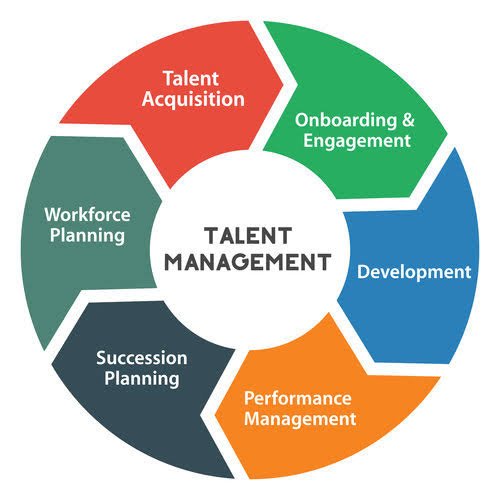
3. Key Components of Talent Management
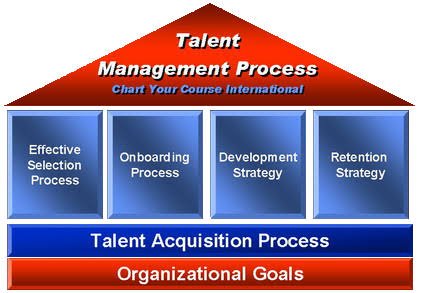
4. Strategies for Effective Talent Acquisition
5. Nurturing and Developing Talent
6. Retaining Top Talent
7. Real-Life Examples and Case Studies
8. Conclusion
Category: Human Resources, Talent Management
The Importance of Talent Management:
Talent management plays a crucial role in today’s competitive business landscape, where organizations worldwide, including those in India, recognize that their people are their greatest asset. By implementing robust talent management strategies, businesses can gain a competitive edge, enhance productivity, and foster a culture of continuous improvement. Let’s explore real-life examples and case studies that highlight the impact of talent management on organizational success.
Key Components of Talent Management:
1. Talent Acquisition: Effective recruitment and selection processes that identify and attract the right talent for the organization.
2. Talent Development: Providing opportunities for skill enhancement, training, and career growth to maximize individual potential.
3. Performance Management: Setting clear expectations, providing feedback, and aligning employee goals with organizational objectives.
4. Succession Planning: Identifying and nurturing potential leaders within the organization to ensure a seamless transition of key roles.
5. Employee Engagement: Creating a positive work environment that fosters motivation, loyalty, and a sense of belonging.
Strategies for Effective Talent Acquisition:
1. Employer Branding: Google’s global employer branding efforts have been highly successful in attracting top talent. Their focus on showcasing a vibrant work culture and opportunities for personal growth resonates with candidates worldwide, including India.
2. Targeted Sourcing: Infosys, an Indian multinational technology company, utilizes a targeted sourcing strategy by partnering with leading educational institutions to recruit fresh graduates. This approach ensures a continuous influx of talented individuals with the necessary skills.
3. Comprehensive Selection Process: HCL Technologies, another Indian IT services company, has implemented a comprehensive selection process that includes behavioral assessments and technical interviews. This rigorous evaluation ensures the right fit for their client-focused work environment.
4. Diversity and Inclusion: Tata Group, a prominent Indian conglomerate, places a strong emphasis on diversity and inclusion in its talent acquisition efforts. By actively promoting a diverse workforce, Tata attracts talent from various backgrounds, fostering innovation and creativity.
5. Data-Driven Decision Making: Wipro, an Indian multinational corporation, leverages data analytics and talent management software to inform their recruitment decisions. This data-driven approach helps them identify high-potential candidates and improve the effectiveness of their hiring process.
Nurturing and Developing Talent:
1. Training and Development Programs: TCS (Tata Consultancy Services) offers extensive training programs through their Learning and Development platform, ensuring continuous skill development for their employees. This approach helps TCS stay at the forefront of technological advancements.
2. Mentoring and Coaching: Mahindra & Mahindra, an Indian automotive manufacturing company, has a formal mentoring program that pairs senior leaders with high-potential employees. This initiative provides guidance, support, and valuable networking opportunities.
3. Performance Feedback and Goal Setting: HDFC Bank, a leading Indian financial institution, emphasizes regular performance feedback through their robust performance management system. Clear goal setting and continuous feedback contribute to employee growth and development.
4. Cross-Functional Exposure: Aditya Birla Group, a multinational conglomerate based in India, encourages cross-functional exposure through its “Leadership Associate Program.” This program allows participants to gain experience in various business functions, broadening their skills and perspectives.
5. Recognition and Rewards: Infosys has a comprehensive rewards and recognition program that acknowledges and rewards exceptional employee performance. This recognition reinforces a culture of excellence and motivates employees to continuously excel.
Retaining Top Talent:
1. Competitive Compensation and Benefits: HCL Technologies offers competitive compensation packages and comprehensive benefits to attract and retain top talent. Their focus on recognizing and rewarding employee contributions has resulted in high employee satisfaction and retention.
2. Career Growth Opportunities: Wipro has a robust career development framework that provides employees with opportunities to advance within the organization. This emphasis on internal growth and mobility enhances employee engagement and retention.
3. Work-Life Balance: Infosys promotes work-life balance through flexible work arrangements and employee well-being programs. Their initiatives contribute to high employee morale and loyalty.
4. Employee Engagement Initiatives: Tata Consultancy Services (TCS) organizes various employee engagement programs, including hackathons and innovation challenges, to foster a sense of belonging and active participation.
5. Strong Leadership and Organizational Culture: Tata Motors, an Indian automotive manufacturing company, places a strong focus on leadership development and creating a positive organizational culture. This commitment has resulted in a highly engaged and motivated workforce.
Conclusion:
Real-life examples and case studies from around the world, including India, demonstrate the tangible impact of effective talent management strategies. By analyzing these practical applications, organizations can gain valuable insights to enhance their talent management initiatives. Remember, talent management is an ongoing journey, and by investing in attracting, developing, and retaining top talent, organizations can create a sustainable competitive advantage and drive long-term growth.
https://pagead2.googlesyndication.com/pagead/js/adsbygoogle.js?client=ca-pub-3482330748000937
https://pagead2.googlesyndication.com/pagead/js/adsbygoogle.js?client=ca-pub-3482330748000937
 NTA NET PAPER II MANAGEMENT
Leave a comment