

Index:
1. Introduction
2. Understanding Employee Engagement
3. Benefits of Employee Engagement
4. Real-Life Examples of Employee Engagement
a. Example 1: Microsoft’s “One Week” Hackathon
b. Example 2: Cisco’s “Connected Recognition” Program
c. Example 3: Patagonia’s Employee Empowerment Approach
5. Case Studies on Employee Engagement
a. Case Study 1: Boosting Sales and Customer Satisfaction at Acme Corporation
b. Case Study 2: Reducing Turnover and Improving Productivity at TechGenius Inc.
c. Case Study 3: Creating a Culture of Innovation and Collaboration at InnovationHub
6. Implementing Employee Engagement Strategies
a. Step 1: Conducting Employee Surveys and Listening Sessions
b. Step 2: Building a Positive Work Environment and Work-Life Balance
c. Step 3: Providing Growth Opportunities and Training Programs
d. Step 4: Encouraging Open Communication and Feedback Culture
7. Key Metrics for Measuring Employee Engagement
8. The Role of Leadership in Fostering Employee Engagement
9. Conclusion
Introduction:
Employee engagement is not just a corporate buzzword; it is a powerful driver of success for any organization. When employees are engaged, they are emotionally connected to their work, colleagues, and the company’s mission. In this blog post, we will delve into the significance of employee engagement, explore its multitude of benefits, and showcase real-life examples and case studies that highlight the positive impact of employee engagement initiatives. Moreover, we will outline practical strategies to implement such initiatives and emphasize the crucial role of leadership in fostering an engaged workforce.
Understanding Employee Engagement:
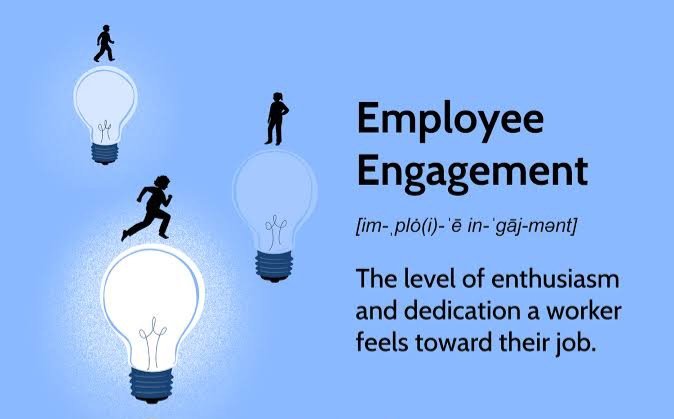
At its core, employee engagement refers to the level of commitment, enthusiasm, and emotional investment that employees have towards their work and the organization. Engaged employees are driven by a sense of purpose, feel valued and appreciated, and actively contribute to achieving the company’s objectives.
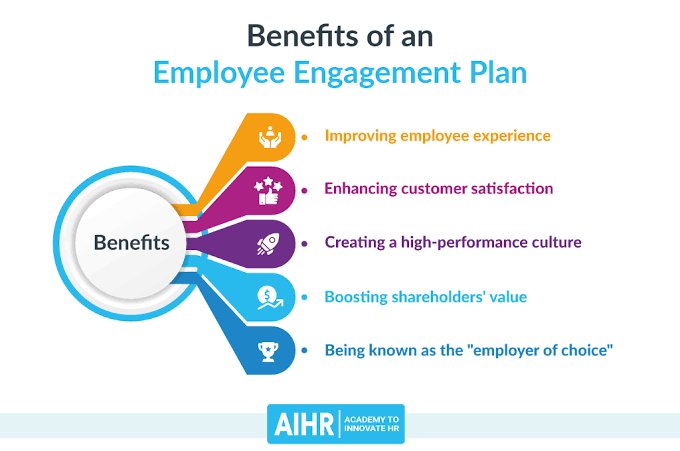
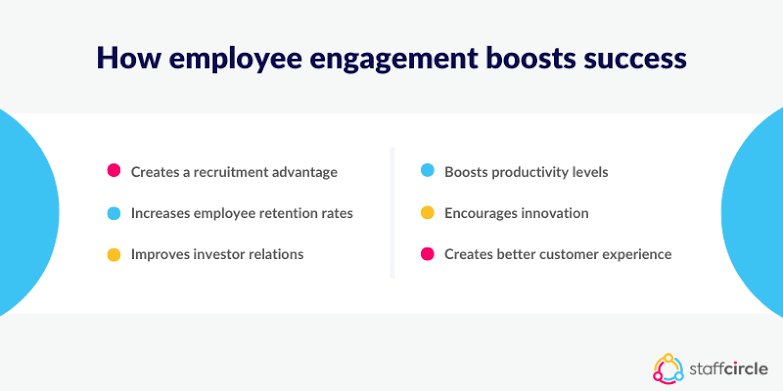
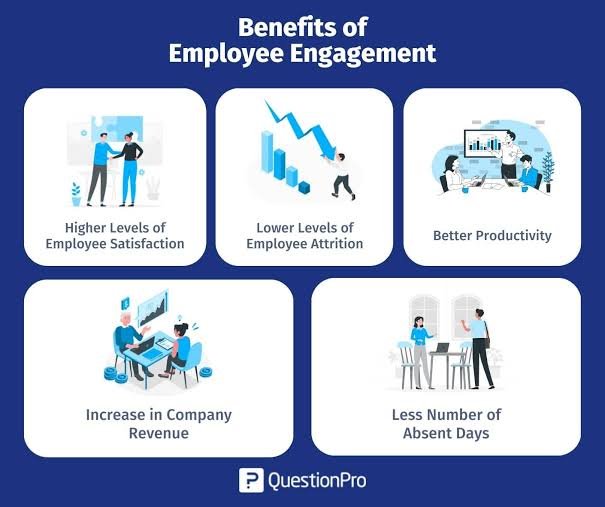
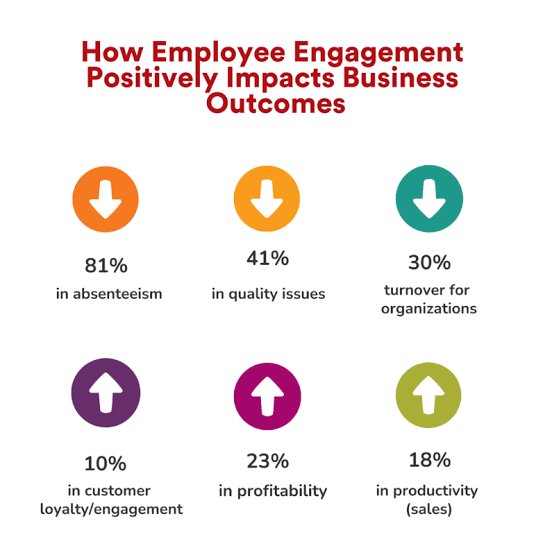
Benefits of Employee Engagement:
1. Increased Productivity: Engaged employees are more focused and motivated, resulting in higher productivity levels and efficiency.
2. Improved Employee Retention: A strong sense of engagement reduces turnover rates and enhances employee loyalty.
3. Enhanced Customer Satisfaction: Engaged employees tend to deliver better customer service, leading to increased customer satisfaction and loyalty.
4. Greater Innovation and Collaboration: Engaged employees feel empowered to share their ideas, leading to a more innovative and collaborative work environment.
5. Positive Workplace Culture: Employee engagement fosters a positive, supportive, and inclusive workplace culture.
Real-Life Examples of Employee Engagement:
Example 1: Microsoft’s “One Week” Hackathon
Microsoft hosts an annual “One Week” hackathon, a week-long event where employees from various departments and locations come together to collaborate on innovative projects and initiatives. This initiative not only encourages creativity and collaboration but also empowers employees to work on projects that align with their passions and interests. Many successful products and features, such as the Microsoft Surface, have emerged from these hackathons, showcasing the positive impact of employee engagement on driving innovation.
Example 2: Cisco’s “Connected Recognition” Program
Cisco implemented the “Connected Recognition” program, a peer-to-peer recognition platform where employees can acknowledge and appreciate each other’s contributions. The platform allows employees to send virtual badges and personalized messages, fostering a culture of appreciation and encouragement. This initiative has significantly increased employee morale and camaraderie within the company.
Example 3: Patagonia’s Employee Empowerment Approach
Patagonia, an outdoor apparel company, has built its employee engagement strategy around empowering its workforce. The company encourages employees to take part in environmental and social initiatives, such as volunteering for environmental causes. Patagonia’s commitment to sustainability and activism resonates with its employees, leading to higher levels of engagement and pride in their work.
Case Studies on Employee Engagement:
Case Study 1: Boosting Sales and Customer Satisfaction at Acme Corporation
Acme Corporation implemented an employee engagement program that focused on recognizing and rewarding exceptional performance. By incorporating a peer-to-peer recognition system, offering performance-based incentives, and providing regular feedback, Acme Corporation witnessed a significant increase in sales performance and customer satisfaction levels.
Case Study 2: Reducing Turnover and Improving Productivity at TechGenius Inc.
TechGenius Inc. faced a high turnover rate and declining productivity. To address these challenges, the company revamped its employee engagement strategy. They introduced flexible work arrangements, provided opportunities for professional development, and established regular communication channels for employee feedback. As a result, TechGenius Inc. experienced a reduction in turnover rates and a notable increase in employee productivity.
Case Study 3: Creating a Culture of Innovation and Collaboration at InnovationHub
InnovationHub, a tech startup, aimed to foster a culture of innovation and collaboration among its employees. They implemented various initiatives, such as dedicated innovation time, cross-functional team projects, and knowledge-sharing sessions. This approach led to a surge in innovative ideas, improved problem-solving capabilities, and a stronger sense of teamwork among employees.
Implementing Employee Engagement Strategies:
To implement effective employee engagement strategies, organizations should consider the following steps:
Step 1: Conducting Employee Surveys and Listening Sessions: Seek feedback from employees to understand their needs, concerns, and aspirations.
Step 2: Building a Positive Work Environment and Work-Life Balance: Foster a supportive culture, promote work-life balance, and prioritize employee well-being.
Step 3: Providing Growth Opportunities and Training Programs: Offer opportunities for skill development, career advancement, and continuous learning.
Step 4: Encouraging Open Communication and Feedback Culture: Establish open channels of communication, encourage two-way feedback, and value employee opinions and contributions.
Key Metrics for Measuring Employee Engagement:
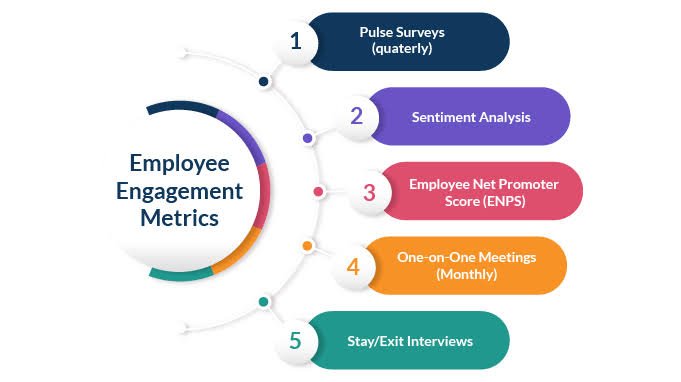
Organizations can gauge employee engagement through various metrics, including employee satisfaction surveys, employee retention rates, productivity levels, and feedback on organizational communication and recognition programs. Regularly measuring and monitoring these metrics can provide insights into the effectiveness of employee engagement initiatives.
The Role of Leadership in Fostering Employee Engagement:
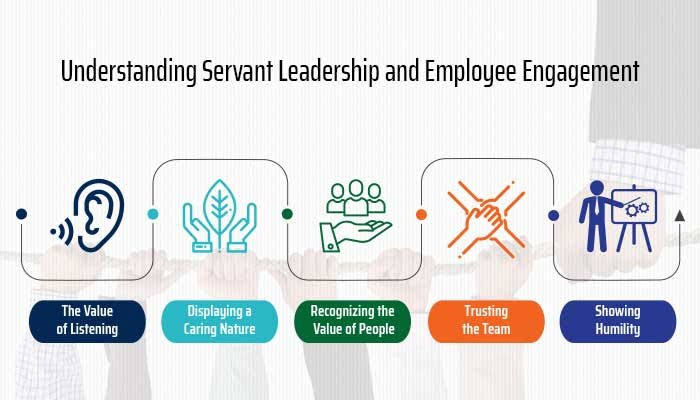
Leaders play a crucial role in driving employee engagement. They should lead by example, communicate effectively, provide clear expectations and feedback, and empower employees to take ownership of their work. A supportive and engaged leadership team creates a positive environment that motivates employees to excel and contribute to the organization’s success.
Conclusion:
Employee engagement is a powerful force that drives productivity, innovation, and success within organizations. By implementing employee engagement strategies and fostering a positive work environment, companies can create a motivated and committed workforce. Real-life examples and case studies demonstrate the tangible benefits of employee engagement initiatives in boosting performance, reducing turnover, and enhancing workplace culture. As leaders prioritize employee engagement, organizations can unlock the full potential of their workforce, leading to long-term success.
https://pagead2.googlesyndication.com/pagead/js/adsbygoogle.js?client=ca-pub-3482330748000937
 NTA NET PAPER II MANAGEMENT
Leave a comment