Index:
1. Introduction
2. Understanding Grievances
3. Importance of Grievance Procedures
4. Key Elements of an Effective Grievance Procedure
a. Step 1: Informal Resolution
b. Step 2: Formal Grievance
c. Step 3: Investigation
d. Step 4: Hearing
e. Step 5: Decision and Appeal
5. Real-Life Examples of Successful Grievance Resolutions
a. Case Study 1: Resolving Conflict in a Sales Team
b. Case Study 2: Addressing Discrimination in the Workplace
c. Case Study 3: Dealing with Mismanagement and Favoritism
6. Best Practices for Implementing a Grievance Procedure
7. Common Challenges and How to Overcome Them
8. Conclusion
9. Index of Categories
Category: Human Resources Management
Introduction:
In any organization, conflicts and disagreements between employees are inevitable. When these disputes become serious and affect workplace harmony, it is essential to have a well-defined grievance procedure in place. This blog post serves as a comprehensive guide to understanding and implementing an effective grievance procedure, with a focus on real-life examples and case studies.
Understanding Grievances:
Before diving into the grievance procedure, it is crucial to comprehend what constitutes a grievance. Grievances arise when employees have complaints or concerns related to their work environment, conditions, treatment, policies, or colleagues. By addressing these concerns promptly and effectively, organizations can maintain a healthy work atmosphere.
Importance of Grievance Procedures:
Grievance procedures are vital for several reasons. They provide employees with a formal channel to voice their concerns, ensuring that their grievances are acknowledged and addressed. Additionally, a well-structured grievance procedure promotes transparency, fairness, and trust within the organization, leading to increased employee satisfaction and productivity.
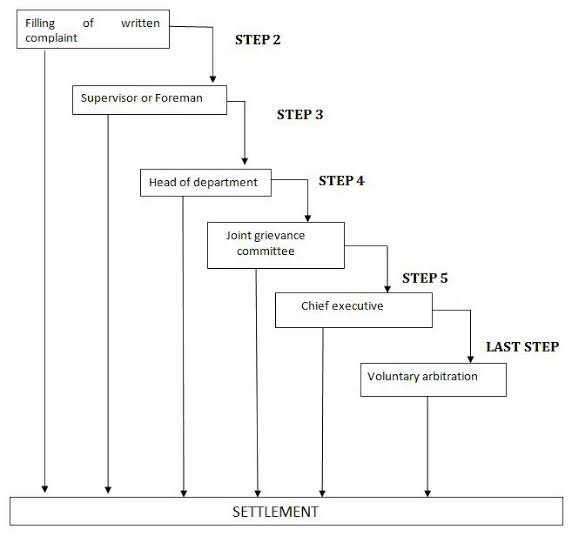
Key Elements of an Effective Grievance Procedure:
1. Step 1: Informal Resolution
– Encouraging open communication
– Mediation and conflict resolution techniques
– Providing a safe and supportive environment
2. Step 2: Formal Grievance
– Filing a written complaint
– Defining timelines and procedures for submitting grievances
– Ensuring confidentiality
3. Step 3: Investigation
– Conducting a thorough and unbiased investigation
– Gathering evidence and interviewing relevant parties
– Maintaining confidentiality during the investigation process
4. Step 4: Hearing
– Allowing the aggrieved employee to present their case
– Ensuring a fair and impartial hearing
– Providing opportunities for both parties to present witnesses or evidence
5. Step 5: Decision and Appeal
– Issuing a written decision with clear justifications
– Offering the right to appeal the decision
– Establishing an appellate process
Real-Life Examples of Successful Grievance Resolutions:
Case Study 1: Resolving Conflict in a Sales Team
In this case, a sales team experienced conflicts related to unfair sales targets and inadequate commission structures. Through a well-implemented grievance procedure, the organization addressed these concerns, revised the targets, and improved the commission structure, resulting in increased team morale and productivity.
Case Study 2: Addressing Discrimination in the Workplace
In another instance, an employee filed a formal grievance against a colleague for discriminatory behavior. The organization promptly initiated an investigation, collected evidence, and took appropriate disciplinary action, ensuring a safe and inclusive work environment for all employees.
Case Study 3: Dealing with Mismanagement and Favoritism
In this scenario, employees expressed grievances regarding mismanagement and favoritism in the allocation of promotions and rewards. Through an impartial investigation and a transparent decision-making process, the organization rectified the situation, restoring trust and fairness in the workplace.
Best Practices for Implementing a Grievance Procedure:
– Establish clear policies and guidelines for filing grievances.
– Train managers and HR personnel on handling grievances sensitively and impartially.
– Communicate the grievance procedure to all employees through multiple channels.
– Maintain confidentiality throughout the process.
– Review and update the procedure periodically to ensure effectiveness.
Common Challenges and How to Overcome Them:
– Lack of awareness: Conduct regular awareness sessions to educate employees about the grievance procedure.
– Fear of retaliation: Implement safeguards to protect employees from retaliation when filing grievances.
– Inadequate resources: Allocate sufficient resources to handle grievances efficiently and provide appropriate support to parties involved.
Conclusion:
A well-designed and diligently implemented grievance procedure is essential for resolving conflicts and maintaining a positive work environment. By following the key steps outlined in this guide, organizations can effectively address employee grievances, foster trust, and enhance overall productivity. Remember, each grievance is an opportunity for improvement and growth.
Index of Categories:
1. Grievance Procedures
2. Workplace Resolution
3. HR Management
https://pagead2.googlesyndication.com/pagead/js/adsbygoogle.js?client=ca-pub-3482330748000937
 NTA NET PAPER II MANAGEMENT
Leave a comment