
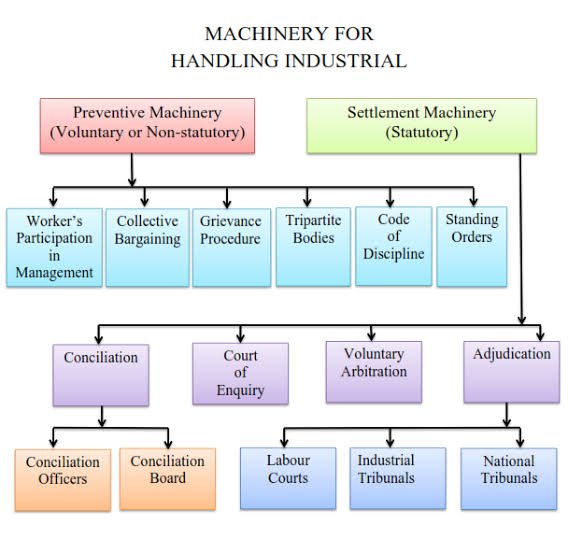
Introduction:
Disputes and grievances are an inevitable part of human interactions, occurring in various settings such as workplaces, communities, and even within families. Resolving these conflicts promptly and fairly is crucial for maintaining harmony and fostering healthy relationships. In this blog post, we will delve into the intricacies of dispute resolution and grievance redressal, exploring effective strategies and providing real-life examples and case studies to illustrate their application. Whether you’re an individual seeking resolution or an organization looking to improve your grievance handling processes, this guide aims to equip you with the knowledge and tools necessary for successful conflict resolution.
Table of Contents:
1. Understanding Disputes and Grievances
1.1 Definition and Types
1.2 Causes and Impact
2. Importance of Effective Redressal Mechanisms
2.1 Building Trust and Maintaining Relationships
2.2 Enhancing Organizational Culture
2.3 Legal Compliance and Risk Mitigation
3. Key Principles of Dispute Resolution and Grievance Redressal
3.1 Communication and Active Listening
3.2 Impartiality and Fairness
3.3 Confidentiality and Privacy
3.4 Timeliness and Proactiveness
4. Case Studies: Real-Life Examples
4.1 Workplace Dispute Resolution
4.2 Community Conflict Resolution
4.3 Family Dispute Resolution
5. Strategies for Effective Dispute Resolution
5.1 Mediation and Negotiation
5.2 Arbitration and Adjudication
5.3 Restorative Justice
6. Grievance Redressal Mechanisms
6.1 Internal Grievance Handling Procedures
6.2 External Dispute Resolution Bodies
7. Implementing a Successful Dispute Resolution System
7.1 Policy Development and Awareness
7.2 Training and Capacity Building
7.3 Evaluation and Continuous Improvement
8. Conclusion
Section 1: Understanding Disputes and Grievances
In this section, we will define disputes and grievances, explore their different types, and discuss their causes and impacts. Real-life examples and case studies will illustrate the various scenarios in which conflicts may arise.
Section 2: Importance of Effective Redressal Mechanisms
Here, we will highlight the significance of establishing robust grievance redressal mechanisms. By using relatable examples, we will demonstrate how these mechanisms contribute to building trust, enhancing organizational culture, and ensuring legal compliance.
Section 3: Key Principles of Dispute Resolution and Grievance Redressal
We will delve into the core principles that should guide any dispute resolution process, including effective communication, impartiality, confidentiality, and timeliness. Real-life scenarios will illustrate how these principles can be applied.
Section 4: Case Studies: Real-Life Examples
Through compelling case studies, we will showcase how different disputes and grievances were resolved in various contexts, such as workplaces, communities, and families. These examples will help readers understand the practical application of dispute resolution strategies.
Section 5: Strategies for Effective Dispute Resolution
In this section, we will explore different strategies and approaches to resolving disputes, including mediation, negotiation, arbitration, and restorative justice. Real-life examples and success stories will highlight the effectiveness of these methods.
Section 6: Grievance Redressal Mechanisms
Here, we will discuss the importance of establishing internal grievance handling procedures within organizations and the role of external dispute resolution bodies in facilitating resolution outside of formal settings.
Section 7: Implementing a Successful Dispute Resolution System
Readers will gain insights into the steps involved in developing and implementing an effective dispute resolution system within organizations. This section will focus on policy development, training, and continuous evaluation for continuous improvement.
Conclusion:
In the concluding section, we will summarize the key points discussed throughout the blog post. We will emphasize the importance of proactive and efficient dispute resolution and grievance redressal mechanisms in maintaining harmony and fostering positive relationships.
By employing user-friendly language, real-life examples, and case studies, this blog post aims to provide readers with a comprehensive understanding of dispute resolution and grievance redressal. With the indexed and categorized content, readers can easily navigate through different sections.
https://pagead2.googlesyndication.com/pagead/js/adsbygoogle.js?client=ca-pub-3482330748000937
 NTA NET PAPER II MANAGEMENT
Leave a comment