
Index:
1. Introduction
2. Importance of Skill Development in Organizations
3. Benefits of Skill Development for Individuals
4. Benefits of Skill Development for Organizations
5. Real-Life Examples of Skill Development in Action
5.1 Case Study 1: Google’s “Googler-to-Googler” Program
5.2 Case Study 2: General Electric’s Leadership Development Program
6. Strategies for Effective Skill Development
6.1 Assessing Skill Gaps and Needs
6.2 Designing Customized Training Programs
6.3 Leveraging Technology for Skill Development
6.4 Encouraging Continuous Learning and Knowledge Sharing
7. Measuring the Impact of Skill Development Programs
7.1 Utilizing Performance Metrics and Key Performance Indicators (KPIs)
7.2 Gathering Feedback and Conducting Surveys
7.3 Analyzing Employee Performance and Growth
8. Conclusion
Introduction
In today’s competitive business landscape, skill development has become a critical aspect of organizational success. It not only benefits individuals by enhancing their capabilities and career prospects but also empowers organizations to stay ahead of the curve. This blog post explores the importance of skill development in organizations, highlighting its benefits for individuals and the broader impact on organizational growth. Real-life examples and case studies illustrate the tangible results of skill development initiatives, while strategies for effective implementation and measurement ensure long-term success.
Importance of Skill Development in Organizations
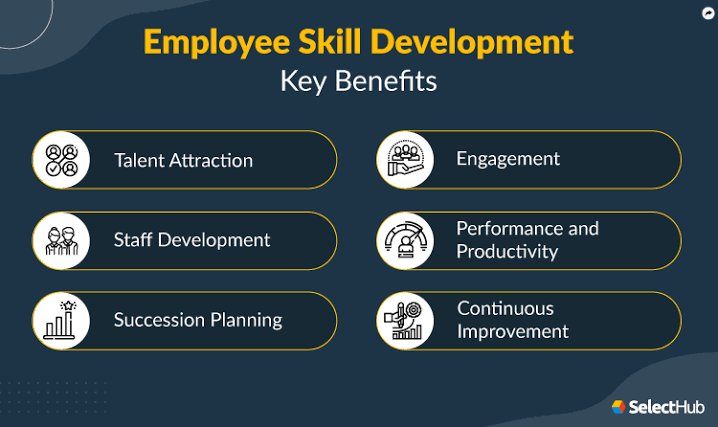
Skill development plays a pivotal role in organizational growth and sustainability. By investing in their employees’ professional growth, organizations foster a culture of continuous learning and improvement. This, in turn, enhances employee engagement, job satisfaction, and retention. Moreover, skill development equips individuals with the necessary tools and knowledge to adapt to evolving market trends and technological advancements, fostering innovation and maintaining a competitive edge.
Benefits of Skill Development for Individuals
Skill development offers numerous benefits to individuals. It provides them with the opportunity to enhance their expertise and expand their skill set, enabling career progression and personal growth. By developing new skills, individuals become more adaptable and resilient in the face of changing job requirements. Skill development also boosts confidence, job satisfaction, and overall professional fulfillment.
Benefits of Skill Development for Organizations
Organizations that prioritize skill development reap substantial advantages. First and foremost, it enhances the collective capabilities of the workforce, leading to increased productivity, efficiency, and quality of work. Skill development initiatives also foster a positive work culture and employee engagement, as individuals feel valued and supported in their professional growth. Furthermore, organizations that invest in skill development attract top talent, gain a competitive edge, and position themselves as industry leaders.
Real-Life Examples of Skill Development in Action
Case Study 1: Google’s “Googler-to-Googler” Program
Google, renowned for its commitment to employee growth and development, has a unique internal initiative called the “Googler-to-Googler” program. This program allows employees to teach workshops and share their expertise with colleagues across different departments. For example, engineers can teach design principles, marketers can share coding skills, and HR professionals might offer leadership development sessions. This program fosters a collaborative learning environment, promotes knowledge sharing, and enhances cross-functional skill development within the organization.
Case Study 2: General Electric’s Leadership Development Program
General Electric (GE) has a long-standing reputation for its robust leadership development programs. One notable example is their prestigious “Crotonville” program, where high-potential employees from various business units undergo intensive leadership training. This program exposes participants to a range of leadership concepts, problem-solving methodologies, and real-world case studies. By investing in the development of their future leaders, GE ensures a strong leadership pipeline and a culture of innovation and excellence.
Strategies for Effective Skill Development
To implement effective skill development programs, organizations can employ the following strategies:
1. Assessing Skill Gaps and Needs: Conduct comprehensive skill assessments and identify the specific gaps and areas for improvement within the organization. This analysis provides the foundation for targeted skill development initiatives.
2. Designing Customized Training Programs: Develop customized training programs that align with the identified skill gaps and cater to the unique needs of employees. These programs may include a mix of classroom training, workshops, online courses, and mentoring.
3. Leveraging Technology for Skill Development: Embrace digital platforms and e-learning tools to deliver accessible and interactive training experiences. Utilize virtual reality, gamification, and mobile learning to enhance engagement and knowledge retention.
4. Encouraging Continuous Learning and Knowledge Sharing: Foster a culture of continuous learning by providing opportunities for self-directed learning, cross-functional collaboration, and knowledge sharing. Encourage employees to participate in conferences, webinars, and industry events to expand their horizons.
Measuring the Impact of Skill Development Programs
To gauge the effectiveness of skill development programs, organizations can adopt the following approaches:
1. Utilizing Performance Metrics and Key Performance Indicators (KPIs): Define relevant KPIs that align with the desired outcomes of skill development initiatives. These may include metrics such as increased productivity, improved customer satisfaction, reduced error rates, or enhanced employee retention.
2. Gathering Feedback and Conducting Surveys: Regularly solicit feedback from participants to assess their satisfaction, perceived skill improvement, and the overall impact of the program. Conduct surveys and focus groups to gather qualitative data and identify areas for program enhancement.
3. Analyzing Employee Performance and Growth: Monitor the performance and growth of employees who have undergone skill development programs. Analyze their performance appraisals, project outcomes, and career progression to measure the tangible impact of the acquired skills on their professional journey.
Conclusion
Skill development is an integral part of organizational growth and success. By investing in the development of their employees, organizations create a culture of continuous learning, drive innovation, and attract and retain top talent. Real-life examples from Google and General Electric illustrate the transformative power of skill development initiatives. By implementing effective strategies and measuring the impact of these programs, organizations can ensure their workforce remains adaptable, engaged, and equipped to thrive in an ever-evolving business landscape.
https://pagead2.googlesyndication.com/pagead/js/adsbygoogle.js?client=ca-pub-3482330748000937
 NTA NET PAPER II MANAGEMENT
Leave a comment