
Introduction:
Organizational change is an inevitable part of the business world. Companies that adapt and embrace change can stay competitive and thrive, while those resistant to change risk stagnation. In this blog post, we will explore the complexities of organizational change and provide real-life examples and case studies of companies that navigated change successfully. We’ll also offer practical strategies for effective change management, ensuring a smooth transition for employees and stakeholders.
Table of Contents:
1. Introduction
2. Understanding Organizational Change
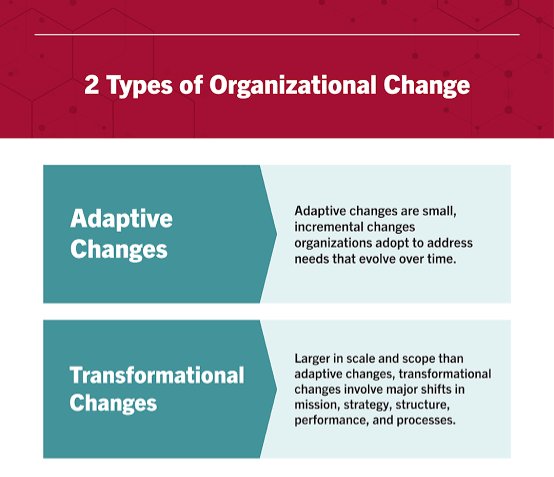
3. Common Types of Organizational Change
4. The Impact of Organizational Change on Employees
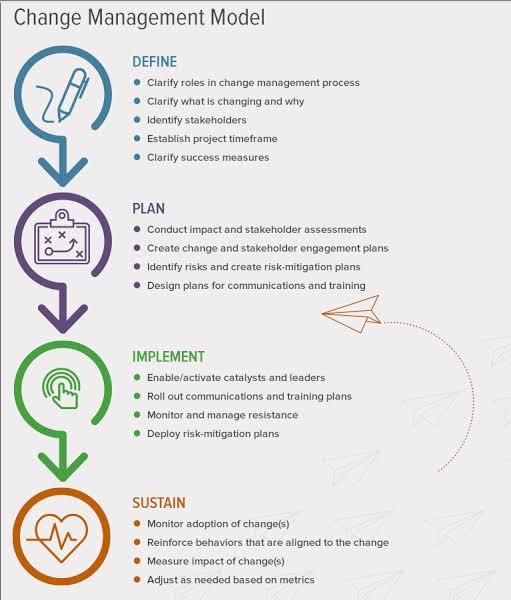
5. Strategies for Effective Change Management
a. Communication and Transparency
b. Leadership and Support
c. Employee Engagement and Involvement
d. Training and Development
6. Real-Life Examples of Successful Organizational Change
a. Microsoft: A Transformational Journey
b. General Electric (GE): Reimagining its Identity
7. Case Studies: Lessons Learned from Organizational Change
a. Case Study 1: Nokia’s Shift to Mobile Phones
b. Case Study 2: Southwest Airlines’ Culture Revamp
8. Index and Categories
9. Conclusion
Understanding Organizational Change:
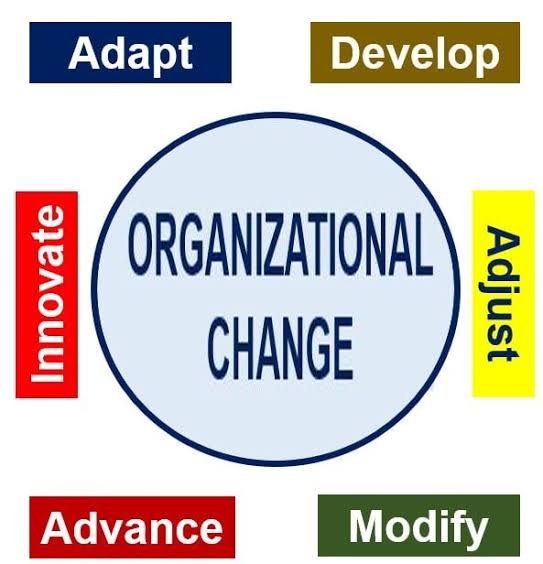
Organizational change involves significant shifts in a company’s structure, culture, or processes. For instance, when Microsoft, once primarily known for its software products, decided to transition to a cloud-based subscription model, it was a monumental shift in its business strategy. Embracing change can be a catalyst for growth, innovation, and staying relevant in the market.
Common Types of Organizational Change:
1. Structural Change: This type of change can involve mergers and acquisitions, reorganization of departments, or decentralizing decision-making authority. For example, when GE sold off its financial services business to focus on core industrial businesses, it drastically changed its structure.
2. Process Change: Companies like Amazon have embraced continuous process improvement and automation to enhance efficiency and customer experience. Their use of robotics and AI in fulfillment centers is a prime example of process change.
The Impact of Organizational Change on Employees:
Employees are at the heart of any organization, and their reactions to change can determine the success of the transformation. Open and honest communication from leadership, as demonstrated by Microsoft during its shift to the cloud, can alleviate employee fears and uncertainties. Engaging employees in the decision-making process and providing adequate training and development opportunities can help them embrace change positively.
Strategies for Effective Change Management:
1. Communication and Transparency: Clearly communicate the reasons for change, the vision, and the expected outcomes. Open dialogues and transparent updates can build trust and reduce resistance.
2. Leadership and Support: Strong leadership support is crucial during change. When Satya Nadella took over as CEO of Microsoft, he advocated a growth mindset and encouraged risk-taking, fostering a culture of innovation and change.
3. Employee Engagement and Involvement: Involve employees in the change process by seeking their input, addressing their concerns, and recognizing their contributions. This approach was exemplified by Southwest Airlines when it introduced its “LUV” culture, emphasizing employee engagement.
Real-Life Examples of Successful Organizational Change:
a. Microsoft: A Transformational Journey
Microsoft’s transformation under CEO Satya Nadella was a case of visionary leadership. He shifted the company’s focus to cloud computing and subscription-based models, exemplified by Microsoft Office 365 and Azure. This change led to a significant increase in revenue and market value, demonstrating the impact of strategic transformation.
b. General Electric (GE): Reimagining its Identity
GE, once synonymous with light bulbs and appliances, embarked on a transformative journey to become a digital industrial company. This involved divesting non-core businesses, investing in cutting-edge technologies, and embracing data analytics. Through this change, GE positioned itself as a leader in the Industrial Internet of Things (IIoT).
Case Studies: Lessons Learned from Organizational Change:
a. Case Study 1: Nokia’s Shift to Mobile Phones
Nokia, a well-established manufacturer of rubber and paper products, made a bold decision to enter the mobile phone market. This strategic change propelled Nokia to become the leading mobile phone manufacturer for several years. However, they failed to anticipate the rise of smartphones and ultimately lost market dominance due to their slow response to the changing landscape.
b. Case Study 2: Southwest Airlines’ Culture Revamp
Southwest Airlines transformed its culture by focusing on employees and customers. Their commitment to low fares, excellent customer service, and employee empowerment helped them thrive in a competitive industry. By embracing change and fostering a unique culture, Southwest became one of the most successful and admired airlines worldwide.
Conclusion:
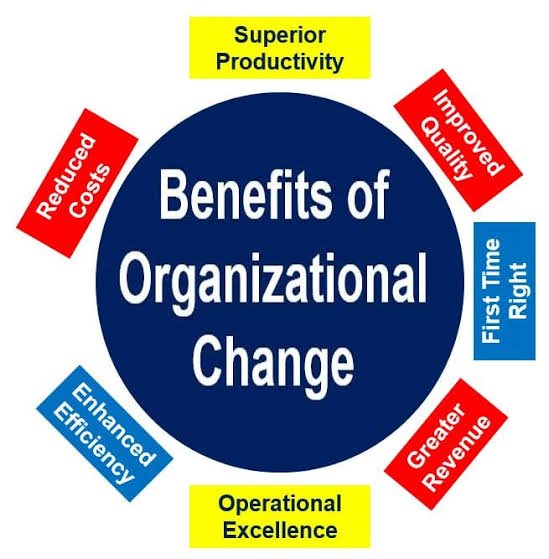
Organizational change is an ongoing process that requires strategic planning, effective communication, and strong leadership. Real-life examples and case studies demonstrate that successful change management can lead to business growth and sustainability. By embracing change, organizations can adapt, innovate, and seize opportunities in today’s dynamic business environment.
Remember, change is not a one-time event but a continuous journey toward progress and success.
https://pagead2.googlesyndication.com/pagead/js/adsbygoogle.js?client=ca-pub-3482330748000937
https://pagead2.googlesyndication.com/pagead/js/adsbygoogle.js?client=ca-pub-3482330748000937
 NTA NET PAPER II MANAGEMENT
Leave a comment