

Introduction
Welcome to our blog post on industrial relations, a critical aspect of organizational success. In this guide, we will delve into the fundamentals of industrial relations, explore real-life examples, and present case studies to provide valuable insights for both employers and employees. Whether you are a business owner, manager, or worker, understanding industrial relations is essential for fostering a positive work environment and ensuring harmonious relations within your organization.
Table of Contents
I. What are Industrial Relations?
II. Importance of Industrial Relations
III. Key Actors in Industrial Relations
IV. The Evolution of Industrial Relations
V. Factors Influencing Industrial Relations
VI. Collective Bargaining and Negotiation
VII. Dispute Resolution Mechanisms
VIII. Industrial Relations Laws and Regulations
IX. Case Studies
X. Conclusion
I. What are Industrial Relations?
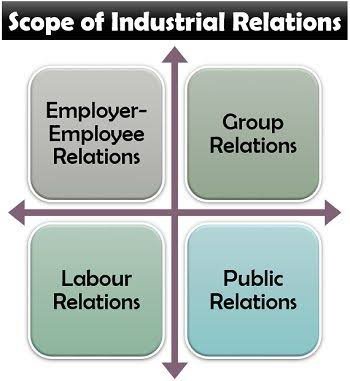
Industrial relations refer to the interactions and relationships between employers, employees, and their respective representatives (trade unions or employee associations) within the workplace. It encompasses various aspects such as employment conditions, wages, benefits, workplace policies, and employee rights. Effective industrial relations play a significant role in fostering cooperation, resolving conflicts, and maintaining a productive work environment.
II. Importance of Industrial Relations
Positive industrial relations are crucial for organizations as they contribute to increased productivity, job satisfaction, and employee morale. Let’s explore some real-life examples:
Example 1: Company A, a manufacturing firm, implemented a participatory decision-making process where employees were encouraged to contribute ideas and suggestions. This approach not only improved employee engagement but also led to innovative solutions and improved overall performance.
Example 2: In a retail company, management and employees collaborated to develop a flexible scheduling system that allowed employees to have a better work-life balance. This initiative resulted in increased employee satisfaction, reduced turnover, and improved productivity.
III. Key Actors in Industrial Relations
1. Employers: Employers play a crucial role in managing the organization and creating a conducive work environment. Let’s consider a case study:
Case Study: Company B, a technology company, prioritized employee well-being by implementing a wellness program that included on-site gyms, mental health support, and flexible work arrangements. This investment in employee welfare strengthened the employer-employee relationship and boosted overall productivity.
2. Employees: Employees contribute their skills, time, and effort to achieve organizational goals. Consider the following case study:
Case Study: In a hospitality company, employees collectively negotiated for fair wages and better working conditions. The successful outcome of the negotiation process improved employee satisfaction and retention, leading to enhanced service quality and customer satisfaction.
3. Trade Unions: Trade unions represent the interests of employees and engage in collective bargaining with employers. Let’s examine a case study:
Case Study: The XYZ Union successfully negotiated for improved safety measures in a construction company. Through collective bargaining, the union ensured that workers had access to adequate protective equipment and training, resulting in a safer work environment.
IV. The Evolution of Industrial Relations
Industrial relations have evolved significantly over time. Let’s explore a historical case:
Case Study: The labor movement in the late 19th and early 20th centuries fought for basic worker rights, leading to the establishment of labor laws, such as minimum wage regulations and safety standards. This movement played a crucial role in improving industrial relations and setting the foundation for worker protections that exist today.
V. Factors Influencing Industrial Relations
Several factors influence industrial relations within an organization. Let’s look at some examples:
Example 1: Communication and Transparency: Effective communication channels and transparent policies contribute to positive industrial relations. For instance:
In a healthcare organization, regular team meetings and open forums were held to discuss organizational updates, address concerns, and gather employee feedback. This practice promoted transparency and trust, resulting in improved relations between management and employees.
Example 2: Organizational Culture: A positive organizational culture can significantly impact industrial relations. Consider the following case study:
Case Study: In a technology start-up, the management fostered a culture of inclusivity and collaboration, where employees were encouraged to share their ideas and opinions. This culture of openness and respect created a sense of belonging and positively influenced industrial relations.
VI. Collective Bargaining and Negotiation
Collective bargaining and negotiation are essential processes in industrial relations. Let’s explore a case study:
Case Study: In the transportation industry, the employees’ union engaged in collective bargaining to secure improved working conditions, including fair remuneration and reasonable working hours. This negotiation process resulted in a mutually beneficial agreement that satisfied both the employees and the management.
VII. Dispute Resolution Mechanisms
Disputes are inevitable in any workplace. Implementing effective dispute resolution mechanisms is essential to address conflicts promptly. Consider the following example:
Example: In a manufacturing company, a dispute arose between the management and a group of employees regarding changes in shift schedules. Through mediation facilitated by a neutral third party, a resolution was reached that accommodated both parties’ needs, ensuring minimal disruption and maintaining positive industrial relations.
VIII. Industrial Relations Laws and Regulations
Industrial relations laws and regulations provide a legal framework to protect the rights of employers and employees. Compliance with these laws is crucial for maintaining a fair and ethical work environment. Let’s consider an example:
Example: Anti-discrimination legislation ensures equal opportunities and treatment for all employees. Organizations that adhere to these laws foster a diverse and inclusive workplace, promoting positive industrial relations.
IX. Case Studies
1. Case Study: Employee Engagement Initiatives in Company A (Manufacturing Firm)
2. Case Study: Flexible Scheduling in Retail Company
3. Case Study: Wellness Program in Company B (Technology Company)
4. Case Study: Collective Bargaining for Fair Wages in Hospitality Company
5. Case Study: Trade Union Negotiation for Safety Measures in Construction Company
6. Case Study: Labor Movement and Worker Rights Advocacy
7. Case Study: Communication and Transparency in Healthcare Organization
8. Case Study: Inclusive Culture in Technology Start-up
9. Case Study: Collective Bargaining for Improved Working Conditions in Transportation Industry
10. Case Study: Mediation for Dispute Resolution in Manufacturing Company
X. Conclusion
In conclusion, understanding and actively managing industrial relations are vital for organizations to thrive in today’s competitive landscape. Real-life examples and case studies illustrate the practical application of effective industrial relations strategies and their positive outcomes. By prioritizing positive workplace relations, open communication, and fair treatment, employers can create a work environment that fosters productivity, employee satisfaction, and overall success.
We hope this comprehensive guide, enriched with real-life examples and case studies, has provided valuable insights into industrial relations. If you have any further questions or would like to explore specific topics in more detail, please feel free to reach out.
https://pagead2.googlesyndication.com/pagead/js/adsbygoogle.js?client=ca-pub-3482330748000937
 NTA NET PAPER II MANAGEMENT
Leave a comment