

Index:
1. Introduction
2. Understanding Work-Life Balance
3. The Importance of Work-Life Balance
4. Strategies for Achieving Work-Life Balance
4.1 Setting Priorities
4.2 Time Management
4.3 Establishing Boundaries
4.4 Promoting Self-Care
4.5 Building a Support Network
5. Real-Life Examples of Work-Life Balance
5.1 Case Study 1: Jane’s Journey to Balance
5.2 Case Study 2: John’s Transition to a Balanced Life
5.3 Case Study 3: Sarah’s Pursuit of Passion
6. Benefits of Work-Life Balance
7. Challenges and Solutions
8. Conclusion
9. Index
10. Categories
Introduction:
In today’s fast-paced world, achieving work-life balance has become increasingly challenging. Juggling professional responsibilities, personal commitments, and self-care can often feel overwhelming. However, it is essential to prioritize and find ways to strike a harmonious balance between work and personal life. This blog post explores the concept of work-life balance, its importance, and provides practical strategies to achieve it. Additionally, real-life examples and case studies will be presented to illustrate the successful implementation of these strategies.
Understanding Work-Life Balance:
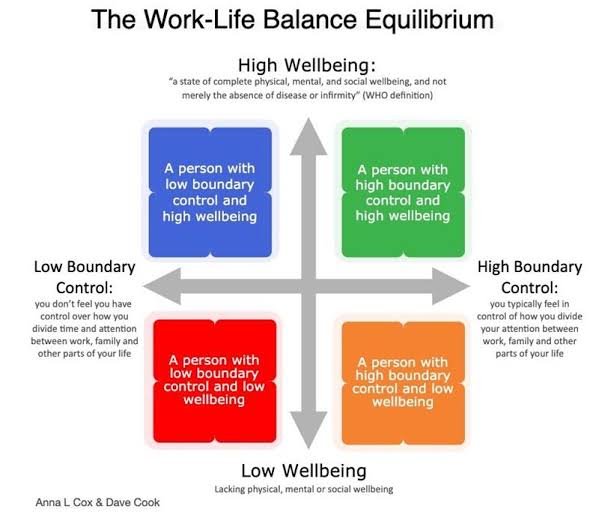
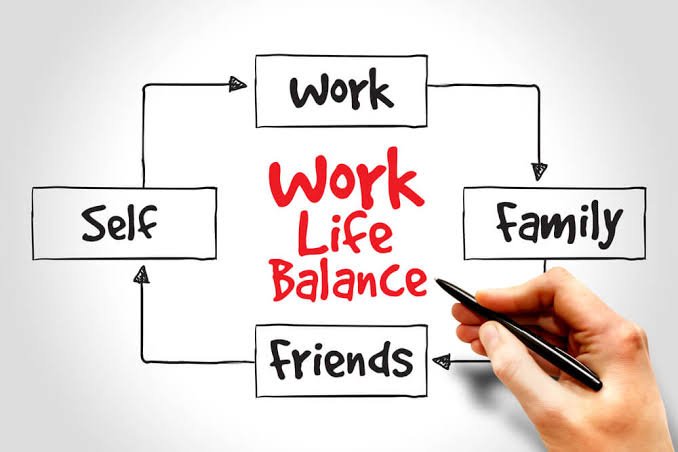
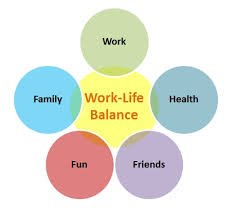
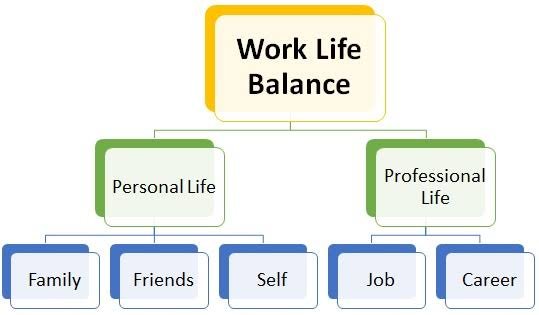
Work-life balance refers to the equilibrium between the time and energy dedicated to work-related activities and those devoted to personal life, including family, relationships, hobbies, and self-care. It is about finding a healthy integration of work and personal commitments, allowing individuals to thrive in all areas of their lives.
The Importance of Work-Life Balance:
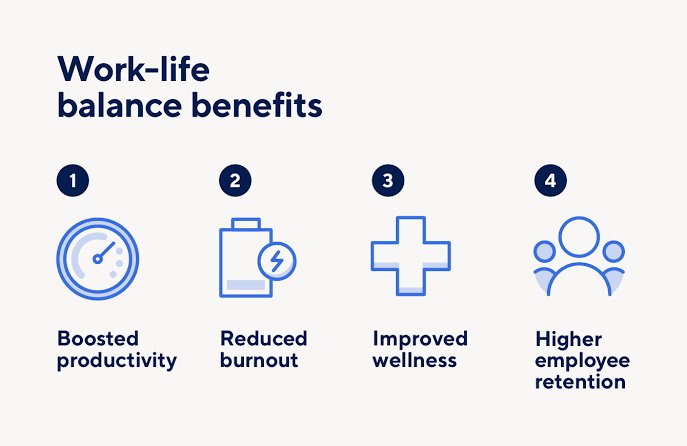
Maintaining work-life balance is crucial for various reasons. Firstly, it enhances overall well-being, reducing stress levels and preventing burnout. Secondly, it promotes better physical and mental health, leading to increased productivity and job satisfaction. Moreover, a healthy work-life balance improves relationships, fosters personal growth, and allows individuals to pursue their passions outside of work.
Strategies for Achieving Work-Life Balance:
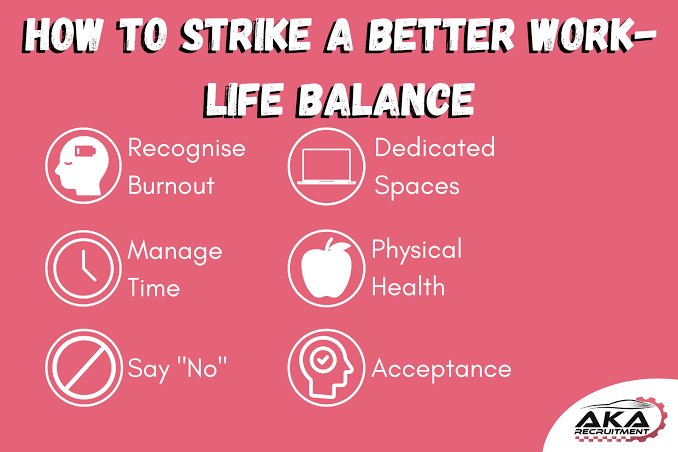
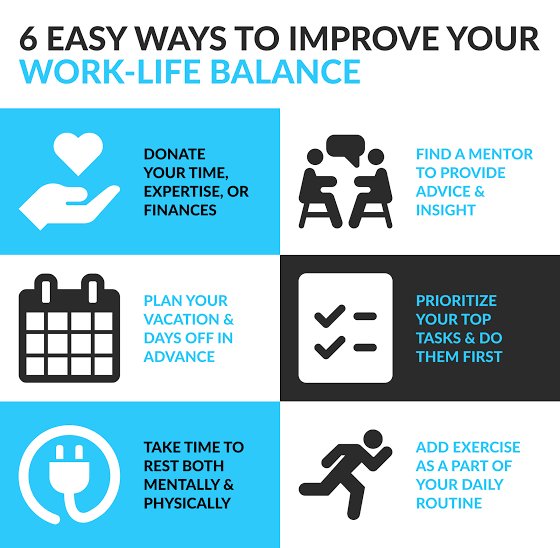
1. Setting Priorities: Define your core values and identify what truly matters to you. Set realistic goals and prioritize them accordingly. Learn to say no to non-essential tasks or commitments that may hinder your work-life balance.
2. Time Management: Efficiently manage your time by creating a schedule that accommodates both work and personal activities. Prioritize tasks, delegate when possible, and minimize distractions. Utilize productivity tools and techniques to optimize your workflow.
3. Establishing Boundaries: Set clear boundaries between work and personal life. Define specific working hours and avoid engaging in work-related activities outside of those hours. Communicate your boundaries with colleagues, clients, and family members to ensure their understanding and support.
4. Promoting Self-Care: Prioritize self-care activities such as exercise, meditation, hobbies, and quality time with loved ones. Take breaks throughout the day to recharge and rejuvenate. Remember that taking care of yourself is essential for your well-being and productivity.
5. Building a Support Network: Seek support from friends, family, and colleagues. Surround yourself with people who understand and respect the importance of work-life balance. Lean on them for guidance, assistance, and encouragement during challenging times.
Real-Life Examples of Work-Life Balance:
Case Study 1: Jane’s Journey to Balance
Jane, a marketing professional, struggled to balance her demanding job and family life. She began by setting boundaries, leaving work at the office, and creating dedicated family time. She also delegated tasks at work, allowing her to focus on high-priority projects. With improved time management and open communication with her team, Jane successfully achieved work-life balance.
Case Study 2: John’s Transition to a Balanced Life
John, an entrepreneur, was consumed by his business, neglecting his personal life. Recognizing the importance of balance, he implemented time-blocking techniques, allowing him to allocate time for work, family, and hobbies. By establishing boundaries and delegating responsibilities, John experienced improved well-being and increased satisfaction in both his personal and professional life.
Case Study 3: Sarah’s Pursuit of Passion
Sarah, a lawyer, felt unfulfilled due to her lack of time for her passion projects. She gradually reduced her work hours and created a schedule that allowed her to pursue her interests. By setting clear priorities and learning to say no to non-essential tasks, Sarah achieved a harmonious balance between her legal career and creative endeavors.
Benefits of Work-Life Balance:
1. Reduced stress and improved mental health
2. Increased job satisfaction and productivity
3. Enhanced physical health and well-being
4. Strengthened personal relationships
5. Greater fulfillment and self-actualization
6. Improved overall quality of life
Challenges and Solutions:
Achieving work-life balance can be challenging due to various factors such as demanding work environments, societal pressures, and personal habits. However, by implementing the strategies discussed in this blog post and adapting them to individual circumstances, it is possible to overcome these challenges and achieve a fulfilling work-life balance.
Conclusion:
Work-life balance is an essential aspect of leading a fulfilling and healthy life. By prioritizing, managing time effectively, setting boundaries, promoting self-care, and building a support network, individuals can successfully integrate work and personal life. Real-life examples and case studies demonstrate that work-life balance is achievable and can lead to enhanced well-being, productivity, and overall satisfaction. Embrace the strategies presented here and embark on a journey to achieve work-life balance for a more fulfilling life.
https://pagead2.googlesyndication.com/pagead/js/adsbygoogle.js?client=ca-pub-3482330748000937
 NTA NET PAPER II MANAGEMENT
Leave a comment