Index:
1. Introduction: Understanding the Significance of Performance Appraisal
2. The Purpose and Benefits of Performance Appraisal
3. Key Elements of an Effective Performance Appraisal System
a. Goal Setting and Alignment
b. Regular Feedback and Communication
c. Fair and Objective Evaluation Criteria
d. Employee Development and Growth Opportunities
4. Case Studies: Real-Life Examples of Successful Performance Appraisal Practices
a. Microsoft’s “Connect” Performance Feedback System
b. Infosys’ “iCount” Appraisal System
5. Common Challenges in Performance Appraisal
a. Biases and Subjectivity
b. Lack of Clarity and Communication
c. Inadequate Training and Development
6. Best Practices for Implementing Performance Appraisal
a. Establish Clear Performance Expectations
b. Provide Ongoing Feedback and Coaching
c. Foster a Culture of Continuous Learning
d. Align Appraisal with Employee Development Plans
7. Performance Appraisal in the Indian Context
a. Tata Motors’ Performance Appraisal Process
b. Mahindra & Mahindra’s Performance Management System
8. Leveraging Technology for Effective Performance Appraisal
a. Performance Management Software Solutions
b. AI and Data Analytics in Appraisal Processes
9. Future Trends in Performance Appraisal
10. Conclusion
Introduction: Understanding the Significance of Performance Appraisal
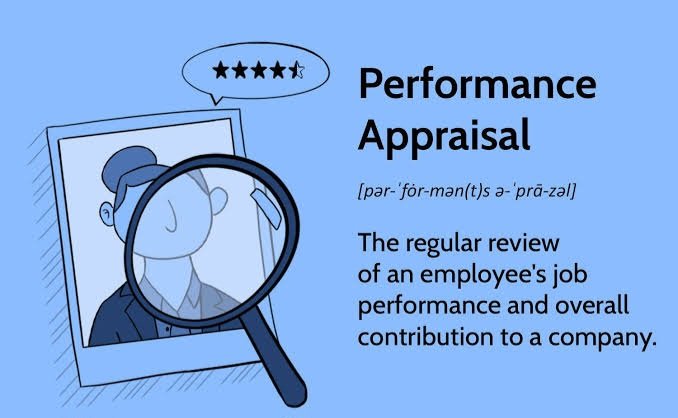
Performance appraisal is a crucial process in human resource management that evaluates and assesses an employee’s performance and contribution to an organization. It serves as a valuable tool for providing feedback, recognizing achievements, identifying areas for improvement, and aligning individual performance with organizational goals. In today’s competitive business landscape, organizations recognize the importance of a robust performance appraisal system to enhance employee growth and drive organizational success.
The Purpose and Benefits of Performance Appraisal
Performance appraisal serves multiple purposes within an organization, including:
1. Feedback and Performance Improvement: Performance appraisals provide employees with valuable feedback on their strengths and areas for improvement. This feedback helps individuals enhance their performance and achieve their full potential.
2. Goal Setting and Alignment: Appraisals facilitate goal setting by aligning individual objectives with the overall organizational goals. This alignment ensures that employees are working towards the achievement of the organization’s strategic objectives.
3. Recognition and Rewards: Appraisals recognize and reward exceptional performance, motivating employees to strive for excellence and reinforcing positive behaviors.
4. Employee Development: Performance appraisals identify skill gaps and development needs, enabling organizations to provide targeted training and development opportunities to enhance employee skills and capabilities.
Key Elements of an Effective Performance Appraisal System
To ensure the effectiveness of performance appraisal, organizations should focus on the following key elements:
a. Goal Setting and Alignment:
Clear and specific performance goals should be established for each employee, aligning them with the organization’s strategic objectives. This provides employees with a sense of purpose and direction.
b. Regular Feedback and Communication:
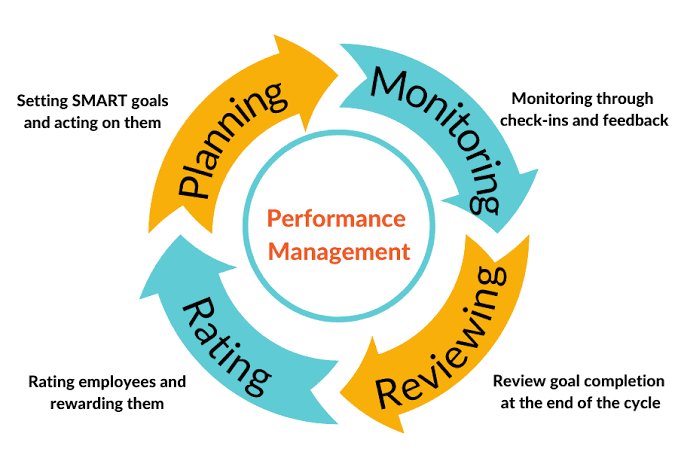
Continuous feedback and open communication channels between managers and employees are essential for ongoing performance improvement. Regular check-ins and discussions foster a collaborative environment.
c. Fair and Objective Evaluation Criteria:
Appraisals should be based on fair and objective criteria to minimize biases and ensure a consistent evaluation process. Evaluations should consider both quantitative and qualitative aspects of performance.
d. Employee Development and Growth Opportunities:
Appraisals should identify development needs and provide employees with growth opportunities such as training programs, mentorship, or job rotations to enhance their skills and competencies.
Case Studies: Real-Life Examples of Successful Performance Appraisal Practices
a. Microsoft’s “Connect” Performance Feedback System:
Microsoft replaced its traditional performance appraisal system with a continuous feedback system called “Connect.” This approach emphasized frequent check-ins and focused conversations, enabling timely feedback and fostering employee growth.
b. Infosys’ “iCount” Appraisal System:
Infosys implemented the “iCount” appraisal system, which emphasizes the significance of continuous feedback and focuses on development conversations. It encourages employees and managers to engage in open and constructive discussions to enhance performance.
Common Challenges in Performance Appraisal
Despite the benefits, organizations often face challenges in implementing effective performance appraisal systems, including:
a. Biases and Subjectivity:
Biases and subjective judgments can influence the appraisal process, resulting in unfair evaluations and demotivated employees. Managers should be trained to mitigate biases and ensure objectivity.
b. Lack of Clarity and Communication:
Unclear expectations and inadequate communication can create confusion and ambiguity among employees. Transparent and regular communication is vital to ensure everyone understands performance standards and criteria.
c. Inadequate Training and Development:
Insufficient training and development programs for managers and employees can hinder the effective implementation of performance appraisal practices. Training should focus on providing managers with the necessary skills to conduct fair evaluations and provide constructive feedback.
Best Practices for Implementing Performance Appraisal
To overcome the challenges and optimize performance appraisal processes, organizations should consider the following best practices:
a. Establish Clear Performance Expectations:
Clearly define performance expectations and communicate them to employees. This ensures everyone understands what is expected of them and aligns their efforts accordingly.
b. Provide Ongoing Feedback and Coaching:
Encourage regular feedback and coaching conversations between managers and employees. Timely feedback allows individuals to make adjustments and improvements in real-time.
c. Foster a Culture of Continuous Learning:
Promote a culture of continuous learning and development. Encourage employees to take ownership of their growth and provide resources and opportunities for them to enhance their skills.
d. Align Appraisal with Employee Development Plans:
Link performance appraisal outcomes with individual development plans. Identify areas for improvement and offer targeted training and development initiatives to support employees’ professional growth.
Performance Appraisal in the Indian Context
a. Tata Motors’ Performance Appraisal Process:
Tata Motors follows a comprehensive performance appraisal process that includes goal setting, mid-year reviews, and year-end evaluations. This process emphasizes constructive feedback, development discussions, and talent identification.
b. Mahindra & Mahindra’s Performance Management System:
Mahindra & Mahindra employs a performance management system that focuses on a combination of quantitative and qualitative performance measures. It includes regular performance discussions, training initiatives, and talent development programs.
Leveraging Technology for Effective Performance Appraisal
a. Performance Management Software Solutions:
Organizations can leverage performance management software solutions to streamline and automate appraisal processes. These tools enable easy goal tracking, feedback management, and performance data analysis.
b. AI and Data Analytics in Appraisal Processes:
AI and data analytics can enhance performance appraisal by providing insights into performance trends, identifying patterns, and facilitating data-driven decision-making. These technologies help reduce biases and provide a more objective evaluation.
Future Trends in Performance Appraisal
The future of performance appraisal is likely to witness the following trends:
1. Continuous Feedback and Check-ins: Organizations will shift towards continuous feedback models, replacing traditional annual evaluations with regular check-ins and real-time feedback.
2. Skill-based Assessments: Performance evaluations will focus on assessing specific skills and competencies relevant to job roles, enabling targeted development plans.
3. Remote Performance Appraisal: As remote work becomes more prevalent, organizations will develop performance appraisal systems specifically tailored for remote teams, leveraging virtual collaboration tools and technology.
Conclusion
Performance appraisal is a crucial process that contributes to employee growth and organizational success. By implementing effective performance appraisal practices, organizations can provide valuable feedback, recognize achievements, align goals, and foster a culture of continuous learning. By addressing challenges, leveraging best practices, and embrace the power of performance appraisal, leading to enhanced employee engagement, development, and overall performance.
https://pagead2.googlesyndication.com/pagead/js/adsbygoogle.js?client=ca-pub-3482330748000937
 NTA NET PAPER II MANAGEMENT
Leave a comment