Index:
1. Introduction: Understanding Performance Management and Performance Appraisal
2. The Importance of Performance Management
3. Key Components of Performance Management
a. Setting Clear Goals and Expectations
b. Continuous Feedback and Coaching
c. Performance Tracking and Measurement
d. Reward and Recognition
4. The Evolution of Performance Appraisal
5. Benefits of Effective Performance Appraisal
6. Challenges in Performance Management and Appraisal
a. Biases and Subjectivity
b. Lack of Clarity and Communication
c. Inadequate Training and Development
7. Best Practices in Performance Management and Appraisal
a. Goal Alignment
b. Regular Feedback and Coaching
c. Fair and Objective Evaluation
d. Training and Development Opportunities
8. Case Studies: Global Success Stories
a. Google’s “Project Oxygen”
b. General Electric’s (GE) “Workout” Approach
9. Performance Management and Appraisal in the Indian Context
a. TCS (Tata Consultancy Services)
b. Infosys
10. Future Trends in Performance Management and Appraisal
11. Conclusion
Introduction: Understanding Performance Management and Performance Appraisal
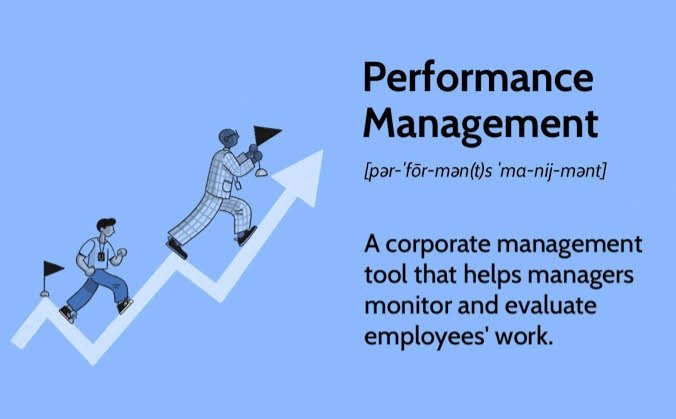
Performance management and performance appraisal are integral aspects of human resource management that aim to optimize employee productivity and align individual goals with organizational objectives. In today’s competitive business landscape, organizations recognize the significance of effective performance management systems to drive employee engagement, enhance performance, and achieve sustainable success.
The Importance of Performance Management
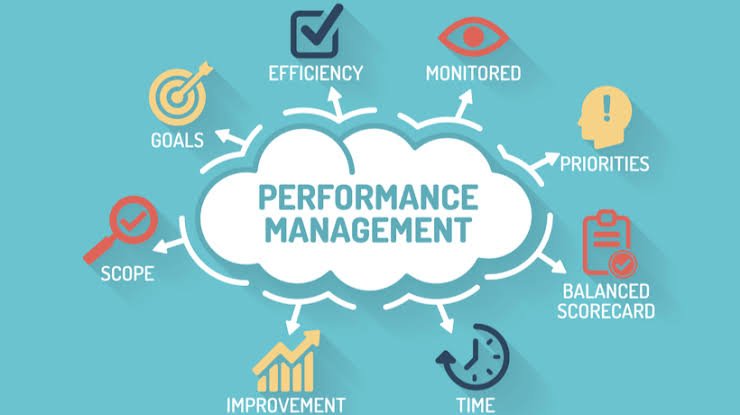
Performance management plays a crucial role in enhancing employee performance and fostering a culture of continuous improvement within organizations. By aligning individual goals with organizational objectives, performance management helps create a sense of purpose and direction for employees. It enables organizations to identify top performers, address performance gaps, and implement targeted strategies to maximize workforce potential.
Key Components of Performance Management
1. Setting Clear Goals and Expectations:
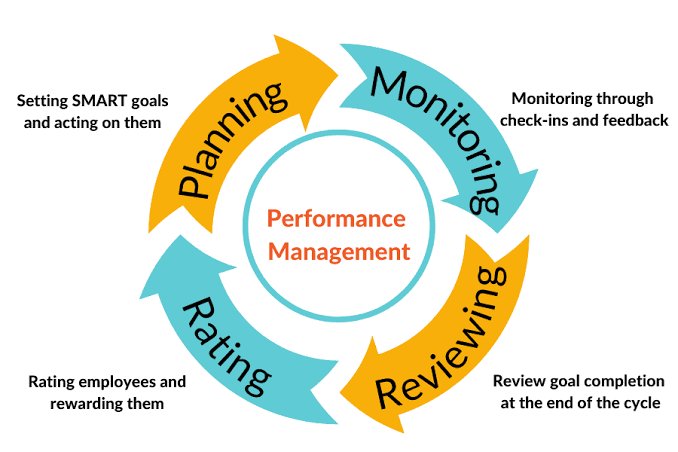
Establishing clear and measurable goals is the foundation of effective performance management. By defining expectations, employees gain a clear understanding of what is expected of them, fostering accountability and motivation.
2. Continuous Feedback and Coaching:
Regular feedback and coaching provide employees with insights into their strengths and areas for improvement. It enables ongoing learning and development, fostering a growth-oriented culture.
3. Performance Tracking and Measurement:
Tracking performance through metrics and key performance indicators (KPIs) allows organizations to assess progress and identify areas where additional support may be required. Performance measurement helps establish a basis for objective evaluation.
4. Reward and Recognition:
Recognizing and rewarding exceptional performance reinforces positive behaviors and motivates employees to strive for excellence. It cultivates a culture of appreciation and encourages continuous improvement.
The Evolution of Performance Appraisal
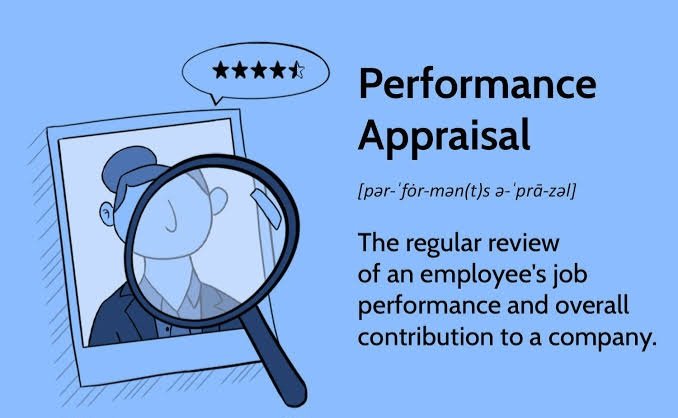
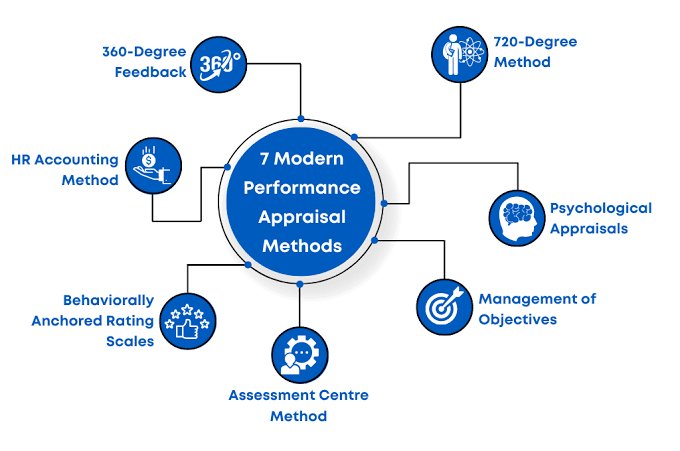
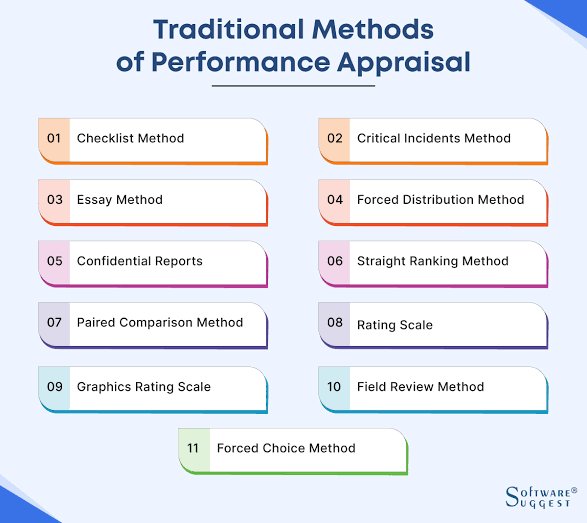
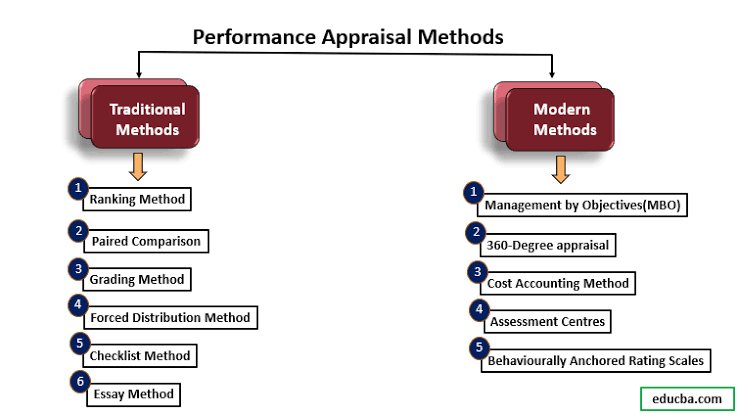
Performance appraisal has evolved significantly over the years. Traditionally, performance appraisal focused on annual or biannual evaluations, often characterized by a top-down approach with limited employee involvement. However, modern approaches emphasize continuous feedback, coaching, and self-assessment, enabling a more inclusive and collaborative process.
Benefits of Effective Performance Appraisal
Effective performance appraisal offers several benefits to organizations, including:
1. Improved Performance: Clear and constructive feedback helps employees understand their strengths and areas for improvement, leading to enhanced performance.
2. Employee Development: Performance appraisal facilitates individual development by identifying skill gaps and offering targeted training and development opportunities.
3. Goal Alignment: Appraisal processes align individual goals with organizational objectives, ensuring a coherent focus across the workforce.
4. Talent Management: Performance appraisal aids in identifying high-potential employees and creating career development plans to nurture talent within the organization.
Challenges in Performance Management and Appraisal
While performance management and appraisal systems are valuable, several challenges can hinder their effectiveness:
1. Biases and Subjectivity: Biases and subjective judgments can influence the evaluation process, leading to unfair assessments and demotivated employees.
2. Lack of Clarity and Communication: Inadequate communication and unclear expectations can create ambiguity and confusion among employees, impacting their performance.
3. Inadequate Training and Development: Insufficient training and development programs for managers and employees can hinder the effective implementation of performance management practices.
Best Practices in Performance Management and Appraisal
To overcome these challenges and optimize performance management and appraisal processes, organizations should adopt the following best practices:
a. Goal Alignment: Align individual goals with organizational objectives to create a sense of purpose and direction for employees.
b. Regular Feedback and Coaching: Encourage continuous feedback and coaching to facilitate employee development and improve performance.
c. Fair and Objective Evaluation: Establish fair and objective evaluation criteria to minimize biases and ensure equitable assessments.
d. Training and Development Opportunities: Provide adequate training and development opportunities to enhance the skills and capabilities of both managers and employees.
Case Studies: Global Success Stories
a. Google’s “Project Oxygen”:
Google’s Project Oxygen revolutionized their performance management by identifying eight key behaviors of successful managers. This data-driven approach led to improved leadership practices and enhanced employee performance.
b. General Electric’s (GE) “Workout” Approach:
GE’s “Workout” program aimed to eliminate bureaucratic processes and foster a culture of candid feedback. It involved open discussions and constructive criticism to drive performance improvement and innovation.
Performance Management and Appraisal in the Indian Context
a. TCS (Tata Consultancy Services):
TCS implemented a robust performance management system, emphasizing continuous feedback and recognition. They introduced a quarterly “Checkpoint” system to monitor performance and align individual goals with organizational objectives.b
b. Infosys:
Infosys focuses on a performance-driven culture, providing regular feedback and coaching to employees. They have adopted a comprehensive performance appraisal system that considers multiple dimensions, including technical skills, leadership qualities, and customer-centricity.
Future Trends in Performance Management and Appraisal
The future of performance management and appraisal is likely to witness the following trends:
1. Continuous Feedback and Pulse Surveys: Real-time feedback and pulse surveys will replace traditional annual evaluations, enabling organizations to address performance issues promptly and enhance employee engagement.
2. Data Analytics and AI Integration: Data analytics and artificial intelligence (AI) will play a significant role in evaluating performance, identifying patterns, and providing personalized recommendations for employee development.
3. Focus on Employee Well-being: Organizations will prioritize employee well-being and holistic development, considering factors such as mental health, work-life balance, and personal growth in performance evaluation.
Conclusion
Performance management and appraisal are critical components of organizational success, promoting employee engagement, performance improvement, and talent development. By implementing effective performance management practices, organizations can unleash the full potential of their workforce, leading to enhanced productivity and sustainable growth.
By leveraging continuous feedback, setting clear goals, and embracing emerging trends, organizations can cultivate a performance-driven culture that empowers employees and drives overall success.
https://pagead2.googlesyndication.com/pagead/js/adsbygoogle.js?client=ca-pub-3482330748000937
 NTA NET PAPER II MANAGEMENT
Leave a comment