Index:
1. Introduction
2. Understanding Organizational Development
3. The Role of Organizational Behavior in Organizational Development
4. Key Components of Organizational Development
5. Benefits of Organizational Development
6. Real-Life Examples of Organizational Development
a. Google: Creating a Culture of Innovation and Employee Empowerment
b. Southwest Airlines: Nurturing a Strong Organizational Culture and Employee Engagement
c. Mahindra Group: Implementing Change Management for Sustainable Growth
7. Organizational Development in the Indian Context
8. Implementing Organizational Development: Best Practices
9. The Role of Search Engine Optimization in Promoting Organizational Development
10. Conclusion
Category: Business/Management
Introduction:
In today’s rapidly changing business landscape, organizations need to continuously evolve to stay competitive. Organizational development is a strategic approach that enables companies to improve their effectiveness, enhance employee performance, and drive sustainable growth. In this blog, we will explore the concept of organizational development, its significance in organizational behavior, discuss real-life examples and cases from prominent companies, examine its relevance in the Indian context, and highlight the role of search engine optimization (SEO) in promoting organizational development in the digital age.
Understanding Organizational Development:
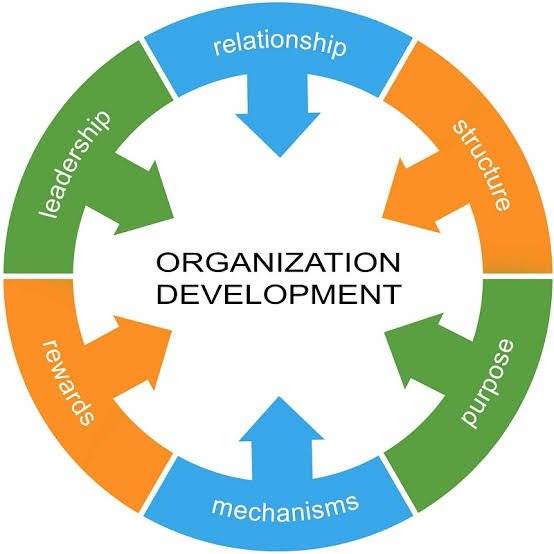
Organizational development is a deliberate and planned effort to bring about positive and sustainable change within an organization. It involves a systematic approach to improving various aspects, including structure, culture, processes, and people. By focusing on continuous learning, employee engagement, and strategic alignment, organizational development aims to enhance overall organizational effectiveness, employee satisfaction, and performance.
The Role of Organizational Behavior in Organizational Development:
Organizational behavior plays a crucial role in organizational development. It examines how individuals and groups behave within an organization and how their behavior impacts organizational performance. By understanding individual and group dynamics, organizations can identify areas for improvement and implement interventions to foster a positive work environment, effective teamwork, and open communication.
Key Components of Organizational Development:
1. Organizational Culture: The shared values, beliefs, and norms that shape the behavior of individuals within an organization. For example, Google fosters a culture of innovation and encourages employees to take risks and explore new ideas.
2. Leadership Development: Enhancing leadership skills and competencies to drive organizational change and inspire employees. Southwest Airlines invests in leadership development programs to cultivate strong leaders who embody the company’s core values.
3. Change Management: Effectively managing and implementing changes within an organization to minimize resistance and maximize success. Mahindra Group, a multinational conglomerate, implemented change management strategies during their business transformation initiatives.
4. Team Building: Developing strong teams and promoting collaboration to improve productivity and problem-solving. Organizations like Zappos prioritize team building activities to foster a sense of camaraderie and support.
5. Talent Management: Identifying and nurturing talent within the organization to enhance employee engagement and retention. Netflix emphasizes talent management practices to attract and retain top performers.
6. Learning and Development: Providing opportunities for continuous learning and skill development to ensure employee growth and adaptability. Microsoft offers extensive learning and development programs to empower employees to stay updated with the latest technologies.
Benefits of Organizational Development:
Organizational development offers numerous benefits to companies, including:
1. Increased Employee Satisfaction: By focusing on employee well-being, engagement, and development, organizational development initiatives can improve job satisfaction and morale.
2. Enhanced Productivity: By optimizing processes, fostering teamwork, and aligning individual and organizational goals, organizational development can drive productivity and efficiency.
3. Improved Adaptability: Organizational development equips organizations with the skills and agility required to navigate changing market dynamics and stay competitive.
4. Stronger Leadership: Through leadership development initiatives, organizational development cultiv
ates effective leaders who can guide teams towards success.
5. Better Organizational Culture: Organizational development interventions can shape a positive work culture that promotes innovation, collaboration, and employee empowerment.
Real-Life Examples of Organizational Development:
a. Google: Creating a Culture of Innovation and Employee Empowerment
Google is known for its innovative culture that encourages employees to explore new ideas and take calculated risks. Their “20% time” policy allows employees to dedicate a portion of their work hours to personal projects, fostering a sense of autonomy and creativity. This approach has led to the development of products like Gmail and Google Maps, showcasing the power of organizational development in driving innovation.
b. Southwest Airlines: Nurturing a Strong Organizational Culture and Employee Engagement
Southwest Airlines prioritizes employee engagement and has built a strong organizational culture based on core values such as customer service and teamwork. They invest in extensive training and development programs to empower employees and provide exceptional service. This focus on employee satisfaction has contributed to Southwest’s success as a leading low-cost carrier in the aviation industry.
c. Mahindra Group: Implementing Change Management for Sustainable Growth
Mahindra Group, a multinational conglomerate based in India, embarked on a transformation journey to diversify its business portfolio. They implemented change management strategies to ensure a smooth transition, including clear communication, employee involvement, and skill development programs. This approach has enabled Mahindra Group to adapt to market changes and achieve sustainable growth across various industries.
Organizational Development in the Indian Context:
In India, organizational development practices have gained significant importance as companies strive to excel in a highly competitive market. Indian organizations are investing in leadership development, cultural transformation, talent management, and learning initiatives to enhance employee engagement, foster innovation, and drive growth. Prominent Indian companies such as Tata Group, Infosys, and Reliance Industries have embraced organizational development as a key strategy for success.
Implementing Organizational Development: Best Practices:
1. Clearly define goals and objectives for organizational development initiatives.
2. Involve employees at all levels to foster ownership and engagement.
3. Provide continuous feedback and support to employees during the change process.
4. Develop a culture of learning and innovation to encourage continuous improvement.
5. Measure the effectiveness of organizational development interventions through regular assessments and feedback loops.
The Role of Search Engine Optimization in Promoting Organizational Development:
In the digital era, search engine optimization (SEO) plays a crucial role in promoting organizational development. By optimizing websites, content, and online presence, organizations can enhance their visibility, attract talented individuals, and effectively communicate their organizational values. SEO techniques such as keyword research, content optimization, and link building can help organizations connect with potential employees, clients, and partners, ultimately supporting their organizational development efforts.
Conclusion:
Organizational development is a strategic approach that empowers organizations to adapt, grow, and succeed in a rapidly changing business environment. Real-life examples and cases demonstrate the effectiveness of organizational development interventions in driving positive change and achieving sustainable growth. In the Indian context, companies are increasingly embracing organizational development practices to foster innovation, engage employees, and gain a competitive edge. By leveraging search engine optimization techniques, organizations can further promote their organizational development efforts and connect with relevant stakeholders in the digital realm. Embracing organizational development and SEO can propel companies towards long-term success.
https://pagead2.googlesyndication.com/pagead/js/adsbygoogle.js?client=ca-pub-3482330748000937
https://pagead2.googlesyndication.com/pagead/js/adsbygoogle.js?client=ca-pub-3482330748000937
 NTA NET PAPER II MANAGEMENT
Leave a comment