
Index:
1. Introduction
2. Competency Mapping: Understanding the Foundation
a. Definition and Importance
b. Key Elements of Competency Mapping
3. Balanced Scorecard: Creating a Holistic Performance Measurement System
a. Overview and Purpose
b. Four Perspectives of the Balanced Scorecard
4. Real-Life Examples of Competency Mapping and Balanced Scorecard Implementation
a. International Case Studies
i. General Electric (GE)
ii. Toyota Motor Corporation
b. Indian Case Studies
i. Tata Group
ii. Infosys
5. Competency Mapping and Balanced Scorecard: The Synergy
6. Challenges in Implementing Competency Mapping and Balanced Scorecard
7. Conclusion
Introduction:
In today’s fast-paced and competitive business environment, organizations need robust systems to effectively manage and measure performance. Competency mapping and the balanced scorecard framework are two widely recognized tools that help organizations align their strategic objectives with employee competencies and ensure a balanced approach to performance measurement. This blog aims to explore the concepts of competency mapping and the balanced scorecard, providing real-life examples and case studies in both global and Indian contexts.
Competency Mapping: Understanding the Foundation:
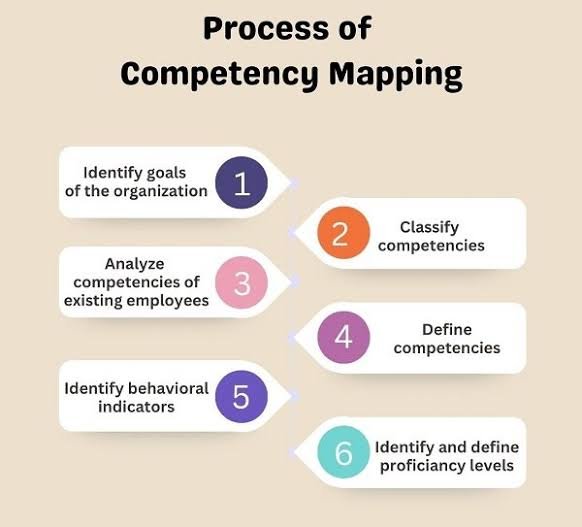
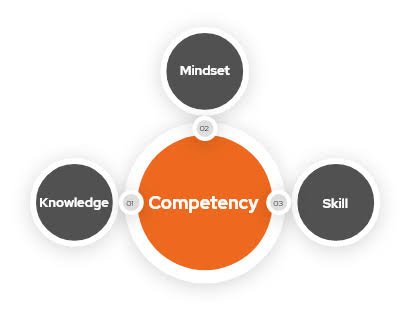
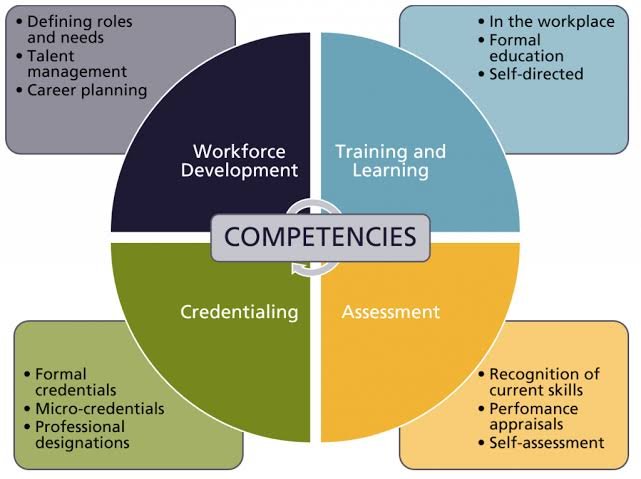
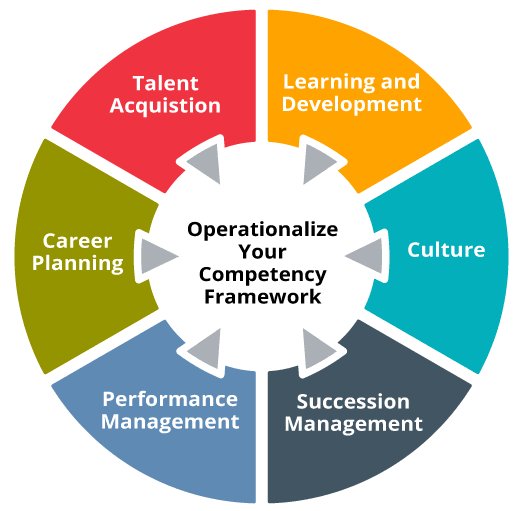
Competency mapping involves identifying and assessing the skills, knowledge, behaviors, and capabilities required for successful performance in a particular role or job. It enables organizations to define the core competencies necessary for individual and organizational success. Competency mapping plays a vital role in various HR processes, such as recruitment, training and development, performance management, and career planning.
Key Elements of Competency Mapping:
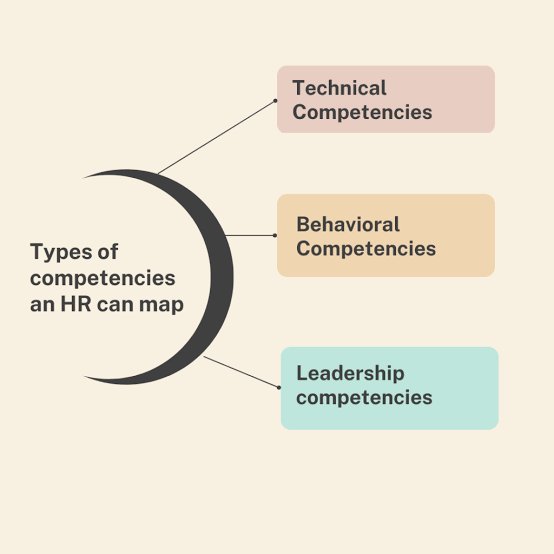
1. Identification of Competencies: Organizations need to identify the specific competencies that are critical for their success. These competencies can be technical, functional, behavioral, or leadership-oriented.
2. Competency Assessment: Once identified, competencies must be assessed to determine the proficiency levels of employees. This assessment can be done through self-assessment, 360-degree feedback, or competency-based interviews.
3. Competency Development: Based on the assessment, organizations can identify competency gaps and design targeted training and development programs to bridge those gaps.
4. Competency Integration: Competencies should be integrated into various HR processes and systems to ensure consistent and effective application across the organization.
Balanced Scorecard: Creating a Holistic Performance Measurement System:
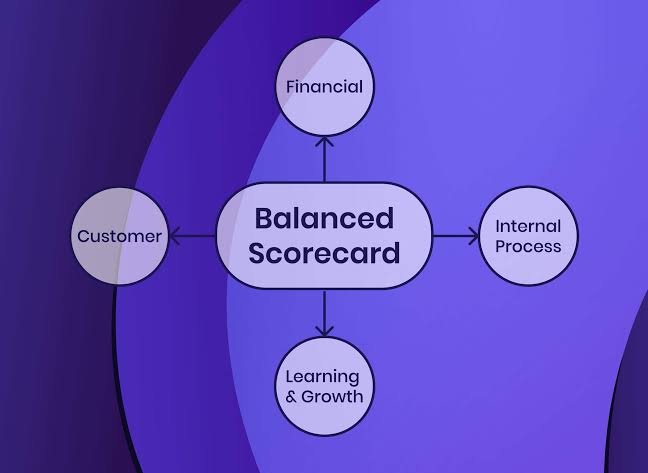
The balanced scorecard is a strategic management tool that goes beyond financial measures and incorporates non-financial perspectives to evaluate organizational performance. It provides a comprehensive view by considering four interrelated perspectives: financial, customer, internal processes, and learning and growth.
Four Perspectives of the Balanced Scorecard:
1. Financial Perspective: This perspective focuses on financial performance indicators such as revenue, profitability, and shareholder value.
2. Customer Perspective: Organizations need to understand and meet customer expectations to ensure long-term success. Key metrics in this perspective include customer satisfaction, retention rates, and market share.
3. Internal Processes Perspective: This perspective emphasizes the critical internal processes that directly impact customer satisfaction and financial performance. Key metrics may include cycle time, quality, and innovation.
4. Learning and Growth Perspective: The learning and growth perspective recognizes the importance of employee development and organizational capacity building. Metrics in this perspective encompass employee satisfaction, skill development, and innovation capabilities.
Real-Life Examples of Competency Mapping and Balanced Scorecard Implementation:
International Case Studies:
1. General Electric (GE): GE has implemented competency mapping to identify and develop key leadership competencies. Their leadership development programs are designed to cultivate competencies such as strategic thinking, innovation, and change leadership.
2. Toyota Motor Corporation: Toyota uses a competency-based approach to enhance the skills and knowledge of its workforce. The company identifies and develops competencies related to problem-solving, teamwork, and continuous improvement, which are integral to their renowned Toyota Production System.
Indian Case Studies:
1. Tata Group: Tata Group has adopted competency mapping to ensure consistent performance across its diverse business portfolio. Competency frameworks are used to assess and develop talent in areas such as ethics, leadership, and innovation.
2. Infosys: Infosys, a leading IT services company in India, has successfully implemented the balanced scorecard to align its strategic goals with performance measurement. The company tracks financial indicators, client satisfaction, process efficiency, and employee skills to drive overall organizational success.
Competency Mapping and Balanced Scorecard: The Synergy:
Competency mapping and the balanced scorecard are interconnected and complementary approaches. Competency mapping helps in identifying and developing the skills and capabilities necessary for achieving strategic objectives, while the balanced scorecard provides a framework to measure and monitor progress towards those objectives. Together, they create a powerful system for strategic alignment and performance management.
Challenges in Implementing Competency Mapping and Balanced Scorecard:
Implementing competency mapping and the balanced scorecard can present several challenges, including resistance to change, lack of clarity in defining competencies, difficulty in measuring non-financial metrics, and ensuring alignment throughout the organization. Overcoming these challenges requires strong leadership, effective communication, and a systematic approach to implementation.
Conclusion:
Competency mapping and the balanced scorecard are invaluable tools that enable organizations to align their strategies with employee capabilities and measure performance holistically. By leveraging real-life examples and case studies from international and Indian contexts, this blog has highlighted the practical applications of these concepts. Embracing the synergy between competency mapping and the balanced scorecard can empower organizations to unlock their true potential and achieve sustained success in today’s dynamic business landscape.
https://pagead2.googlesyndication.com/pagead/js/adsbygoogle.js?client=ca-pub-3482330748000937
https://pagead2.googlesyndication.com/pagead/js/adsbygoogle.js?client=ca-pub-3482330748000937
 NTA NET PAPER II MANAGEMENT
Leave a comment