Introduction:
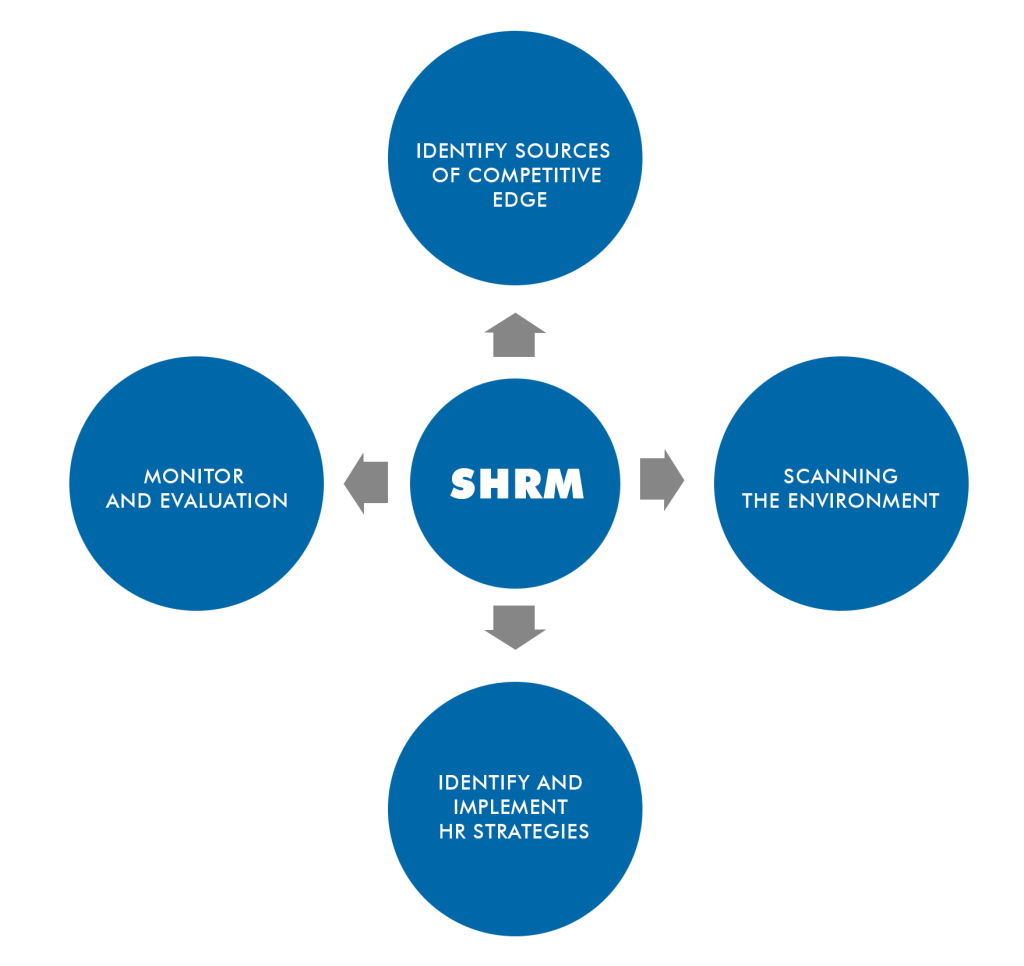
In today’s fast-paced and dynamic business environment, the strategic role of human resource management (HRM) has become increasingly vital. HRM goes beyond mere administrative tasks; it plays a crucial role in shaping and aligning an organization’s workforce with its strategic goals. This blog explores the significance of HRM in driving success within the modern workplace, incorporating real-life examples and case studies from both the global and Indian contexts.
Index:
1. Introduction
2. The Evolution of HRM
3. Strategic Workforce Planning
4. Talent Acquisition and Retention
5. Employee Development and Engagement
6. Performance Management and Rewards
7. Organizational Culture and Change Management
8. Case Studies: Global Perspective
9. Case Studies: Indian Perspective
10. Conclusion
The Evolution of HRM:
Human resource management has evolved significantly over the years, transitioning from a mere administrative function to a strategic partner in organizations. Traditionally, HRM was primarily focused on tasks such as payroll, benefits administration, and compliance. However, with changing business dynamics, HRM has expanded its scope to actively contribute to the achievement of organizational objectives.
Strategic Workforce Planning:
One of the critical roles of HRM is strategic workforce planning. By understanding the organization’s strategic goals and the skills required to achieve them, HRM can identify gaps in the current workforce and develop strategies to address them. For example, if a company aims to expand its operations into new markets, HRM can analyze the required skills and competencies and create a recruitment and training plan to ensure a skilled workforce is in place.
Talent Acquisition and Retention:
Attracting and retaining top talent is crucial for organizational success. HRM plays a pivotal role in this process by developing effective talent acquisition strategies, including employer branding, candidate screening, and selection processes. Moreover, HRM is responsible for fostering a positive work environment that promotes employee engagement, satisfaction, and retention. For instance, companies like Google and Facebook are renowned for their innovative HR practices, creating an enticing workplace culture that attracts and retains high-caliber talent.
Employee Development and Engagement:
Investing in employee development is a strategic imperative for organizations. HRM plays a central role in identifying skill gaps, designing training programs, and providing learning opportunities to enhance employees’ capabilities. Additionally, HRM fosters employee engagement by implementing initiatives that promote a sense of purpose, recognition, and work-life balance. For instance, companies like Zappos and Southwest Airlines have cultivated a culture of employee empowerment and engagement, resulting in high productivity and customer satisfaction.
Performance Management and Rewards:
HRM is responsible for designing performance management systems that align individual and team goals with organizational objectives. By providing regular feedback, setting clear expectations, and implementing performance evaluation mechanisms, HRM ensures that employees’ efforts are recognized and rewarded appropriately. For example, General Electric (GE) pioneered the concept of performance differentiation, linking performance evaluations to financial rewards, promotions, and career advancement opportunities.
Organizational Culture and Change Management:
Culture plays a pivotal role in shaping employee behavior, productivity, and organizational success. HRM is responsible for fostering a positive and inclusive organizational culture that supports collaboration, innovation, and adaptation to change. In times of organizational change or transformation, HRM plays a critical role in managing the transition and ensuring that employees embrace new ways of working. Companies like Microsoft and Infosys have successfully implemented cultural transformation initiatives, driving innovation and growth.
Case Studies: Global Perspective:
1. Google’s People Analytics: Google leverages data analytics to optimize HR processes, such as recruitment, retention, and employee satisfaction. This approach has helped Google identify trends and make data-driven decisions to enhance workforce effectiveness.
2. Amazon’s Leadership Principles: Amazon has a set of 16 leadership principles that guide their hiring and development practices. These principles ensure a consistent organizational culture and enable the company to hire and retain top talent aligned with their values.
Case Studies: Indian Perspective:
1. Tata Group’s Employee Development: The Tata Group invests heavily in employee development through initiatives like the Tata Administrative Services (TAS) program. This program identifies high-potential individuals and provides them with accelerated career development opportunities within the organization.
2. Infosys’ Zero Distance Program: Infosys launched the Zero Distance program, encouraging employees to innovate and solve real-world business challenges. This initiative has fostered a culture of intrapreneurship, driving employee engagement and organizational growth.
Conclusion:
Human resource management plays a strategic role in driving success within the modern workplace. From strategic workforce planning to talent acquisition and retention, employee development and engagement, performance management and rewards, and organizational culture and change management, HRM functions are essential for achieving organizational objectives. Real-life examples and case studies from both global and Indian contexts demonstrate the transformative impact of effective HRM practices. By recognizing the strategic importance of HRM, organizations can create a competitive advantage and foster a thriving work environment.
https://pagead2.googlesyndication.com/pagead/js/adsbygoogle.js?client=ca-pub-3482330748000937
https://pagead2.googlesyndication.com/pagead/js/adsbygoogle.js?client=ca-pub-3482330748000937
 NTA NET PAPER II MANAGEMENT
Leave a comment