Index:
1. Introduction
2. Understanding Organizational Justice
a. Distributive Justice
b. Procedural Justice
c. Interactional Justice
3. The Role of Organizational Justice in Ethical Climate
4. Whistleblowing: A Catalyst for Transparency and Accountability
5. Factors Influencing Whistleblowing Behavior
a. Perceived Wrongdoing
b. Personal and Organizational Factors
c. Whistleblower Protection Laws
6. Real-life Examples of Whistleblowing Cases
a. Case Study 1: Enron Scandal
b. Case Study 2: Volkswagen Emission Scandal
c. Case Study 3: Satyam Computers Fraud
7. Organizational Justice and Whistleblowing in the Indian Context
a. Legal Framework for Whistleblower Protection
b. Case Study: Vyapam Scam
8. The Global Perspective: Promoting Whistleblowing Culture Worldwide
a. Whistleblower Protection Initiatives
b. Case Study: Edward Snowden and NSA Surveillance
9. Conclusion: Nurturing Organizational Justice and Encouraging Whistleblowing
Category: Business and Ethics
Introduction
In today’s complex and interconnected business landscape, maintaining organizational justice is crucial for fostering an ethical work environment. Organizational justice refers to the fairness and equity experienced by individuals within an organization. This blog post explores the concept of organizational justice and its role in creating an ethical climate. Additionally, it delves into the importance of whistleblowing as a mechanism for promoting transparency and accountability within organizations.
Understanding Organizational Justice
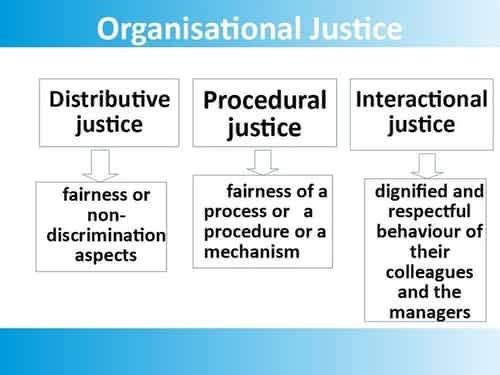
a. Distributive Justice: Distributive justice focuses on the fairness of outcomes and the equitable distribution of rewards and resources within an organization. It ensures that employees perceive fairness in terms of salaries, promotions, and other tangible outcomes.
b. Procedural Justice: Procedural justice pertains to the fairness of processes and procedures employed within an organization. It emphasizes the importance of transparent decision-making, participation, and consistent application of rules and policies.
c. Interactional Justice: Interactional justice involves the quality of interpersonal interactions and the respect shown by authorities and colleagues. It encompasses aspects of dignity, respect, and effective communication within the organization.
The Role of Organizational Justice in Ethical Climate
Organizational justice plays a pivotal role in shaping the ethical climate of an organization. When employees perceive fairness and equity, they are more likely to exhibit ethical behavior, trust in the organization, and demonstrate higher levels of commitment. Conversely, perceived injustices can breed a toxic work environment, leading to decreased morale, increased turnover, and unethical practices.
Whistleblowing: A Catalyst for Transparency and Accountability
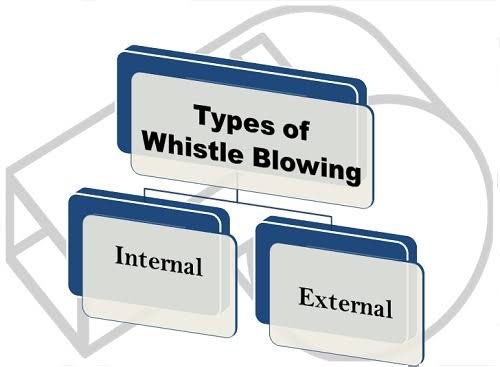
Whistleblowing refers to the act of reporting unethical or illegal activities within an organization to authorities or relevant stakeholders. Whistleblowers play a vital role in exposing wrongdoing, promoting transparency, and holding organizations accountable for their actions. Their actions can help prevent fraud, corruption, and other unethical practices, safeguarding the interests of employees, shareholders, and the public.
Factors Influencing Whistleblowing Behavior
a. Perceived Wrongdoing: Whistleblowing behavior is often triggered by the perception of wrongdoing or unethical practices within an organization. When individuals witness actions that violate their moral compass, they may feel compelled to blow the whistle.
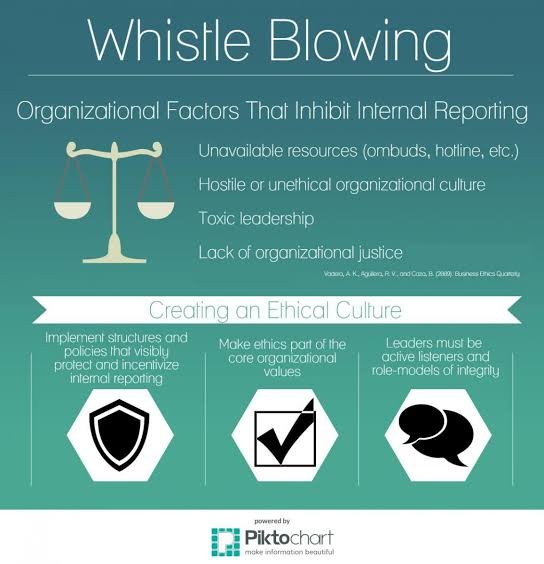
b. Personal and Organizational Factors: Personal characteristics such as moral courage, ethical sensitivity, and a sense of responsibility influence an individual’s willingness to blow the whistle. Organizational factors, including a supportive culture, clear reporting mechanisms, and protection against retaliation, also play a significant role.
c. Whistleblower Protection Laws: The presence of robust whistleblower protection laws provides legal safeguards and encourages individuals to come forward without fear of reprisals. These laws are instrumental in fostering a culture of accountability and protecting whistleblowers from adverse consequences.
Real-life Examples of Whistleblowing Cases
a. Case Study 1: Enron Scandal: Enron’s downfall in 2001 was exposed by whistleblower Sherron Watkins, who alerted authorities to the company’s fraudulent accounting practices. This case brought attention to the importance of whistleblowing in exposing corporate misconduct.
b. Case Study 2: Volkswagen Emission Scandal: In 2015, Volkswagen faced a major scandal when whistleblower engineer James Liang exposed the company’s deliberate manipulation of emission tests. This case shed light on the environmental impact of corporate deceit.
c. Case Study 3: Satyam Computers Fraud: In 2009, whistleblower Virendra D. Mhaiskar exposed a massive financial fraud at Satyam Computers, revealing fraudulent accounting practices that had inflated the company’s financial statements.
Organizational Justice and Whistleblowing in the Indian Context
a. Legal Framework for Whistleblower Protection: India has introduced the Whistleblower Protection Act, 2014, to provide legal protection to whistleblowers. This act aims to encourage individuals to come forward and report wrongdoing without fearing retaliation.
b. Case Study: Vyapam Scam: The Vyapam scam, a large-scale admission and recruitment scandal in Madhya Pradesh, was exposed by whistleblowers. Their courageous actions led to a thorough investigation and the prosecution of those involved.
The Global Perspective: Promoting Whistleblowing Culture Worldwide
a. Whistleblower Protection Initiatives: Several countries have implemented whistleblower protection laws and initiatives to encourage reporting of misconduct. These include anonymous reporting channels, financial incentives, and legal safeguards.
b. Case Study: Edward Snowden and NSA Surveillance: Edward Snowden’s whistleblowing on the National Security Agency’s surveillance programs brought international attention to the importance of whistleblowers in safeguarding privacy and civil liberties.
Conclusion: Nurturing Organizational Justice and Encouraging Whistleblowing
Organizational justice and whistleblowing are essential components of an ethical and accountable work environment. By fostering fairness, transparency, and accountability, organizations can create a culture that encourages employees to speak up against wrongdoing. Whistleblowers, driven by their moral compass, play a critical role in exposing misconduct and protecting the interests of stakeholders. Nurturing organizational justice and safeguarding whistleblowers not only enhances the reputation and integrity of organizations but also promotes a more ethical and just society.
https://pagead2.googlesyndication.com/pagead/js/adsbygoogle.js?client=ca-pub-3482330748000937
 NTA NET PAPER II MANAGEMENT
Leave a comment