Index:
1. Introduction
2. Understanding Emotions and Stress
3. The Impact of Emotions on Stress Levels
4. Strategies for Effective Emotion Management
a. Identifying and Acknowledging Emotions
b. Developing Emotional Awareness and Intelligence
c. Cultivating Emotional Regulation Techniques
5. Stress Management Techniques
a. Prioritizing Self-Care and Relaxation
b. Adopting Healthy Coping Mechanisms
c. Building Resilience to Combat Stress
6. Case Studies: Real-life Examples of Emotion and Stress Management
a. Case Study 1: Overcoming Workplace Stress
b. Case Study 2: Managing Relationship Strain
c. Case Study 3: Coping with Academic Pressure
7. Emotion and Stress Management in the Indian Context
a. Cultural Factors Influencing Emotional Well-being
b. Traditional Practices for Stress Relief
8. The Global Perspective: Emotion and Stress Management Worldwide
a. Cross-cultural Differences in Emotional Expression
b. Innovations in Stress Management Techniques
9. Conclusion: Embracing Emotional Wellness for a Balanced Life
Category: Health and Wellness
Introduction
In our fast-paced and demanding world, managing emotions and stress has become crucial for maintaining overall well-being. The ability to navigate our emotions effectively can significantly impact our mental health, relationships, and overall quality of life. This blog post delves into the importance of emotions and stress management, providing practical strategies and real-life examples to help readers achieve inner balance and tranquility.
Understanding Emotions and Stress
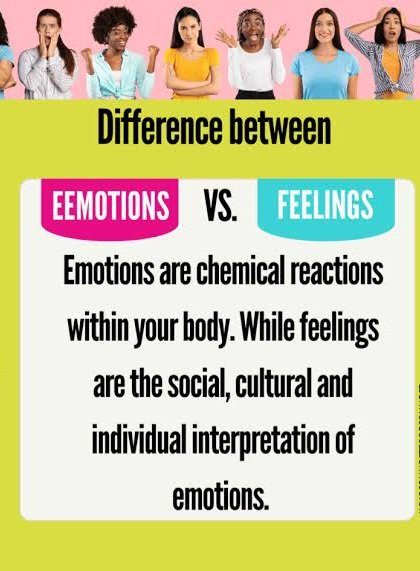
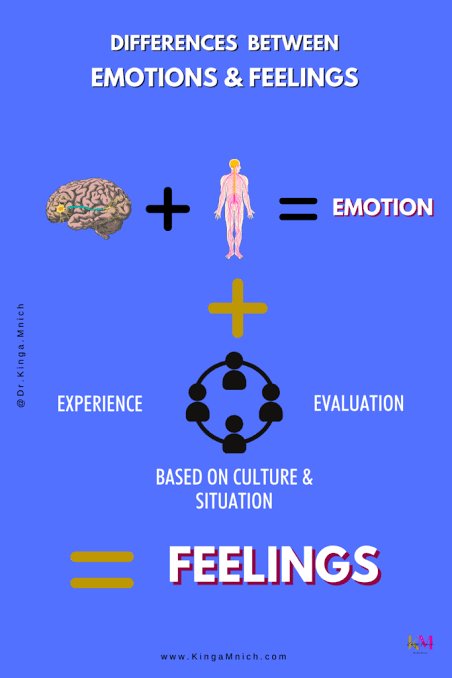
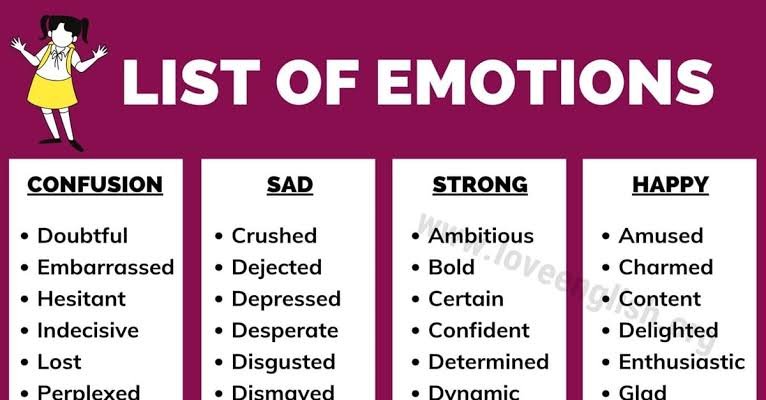
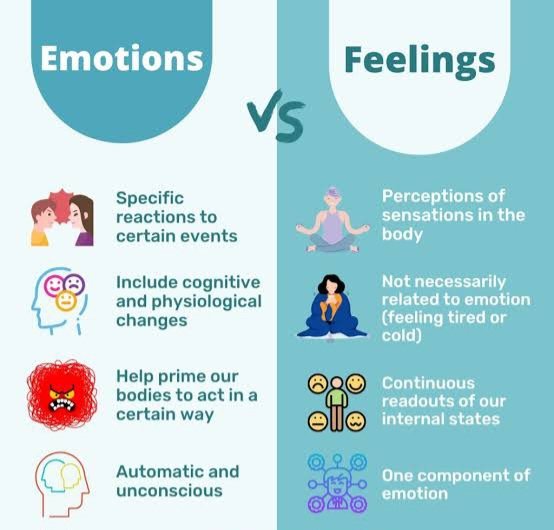
Emotions are inherent aspects of human nature, serving as vital cues that shape our perceptions and guide our actions. They encompass a wide range of feelings, including happiness, sadness, anger, fear, and more. Stress, on the other hand, refers to the physiological and psychological response to demanding situations or pressures.
The Impact of Emotions on Stress Levels
Emotions and stress are intricately interconnected. Unresolved or poorly managed emotions can significantly contribute to heightened stress levels. For instance, chronic anger or anxiety can lead to prolonged stress, negatively affecting our physical health and mental well-being. By learning to recognize and regulate our emotions, we can effectively mitigate stress and enhance our overall resilience.
Strategies for Effective Emotion Management
1. Identifying and Acknowledging Emotions: The first step in managing emotions is to become aware of them. Recognizing and acknowledging our feelings allows us to gain insights into their root causes and address them appropriately.
2. Developing Emotional Awareness and Intelligence: Emotional awareness involves understanding the nuances of our emotions, recognizing their triggers, and developing empathy towards others’ emotions. Emotional intelligence empowers us to respond to emotional situations more effectively.
3. Cultivating Emotional Regulation Techniques: Emotion regulation techniques help us modulate our emotional responses. These may include deep breathing exercises, mindfulness meditation, journaling, or seeking support from trusted individuals.
Stress Management Techniques
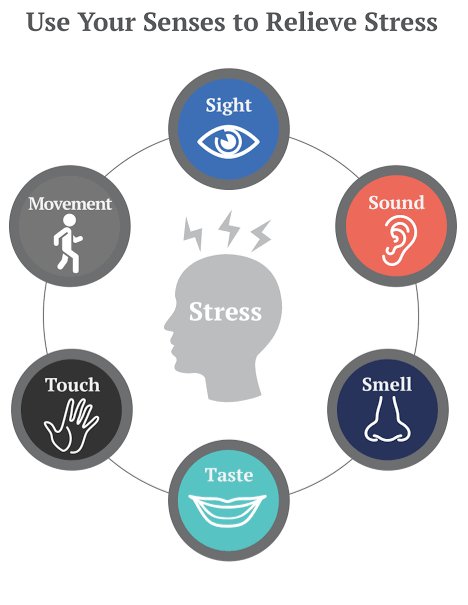
1. Prioritizing Self-Care and Relaxation: Engaging in self-care activities such as exercise, adequate sleep, and leisure pursuits can help alleviate stress. Relaxation techniques like progressive muscle relaxation and guided imagery can also induce a sense of calm.
2. Adopting Healthy Coping Mechanisms: Instead of resorting to unhealthy coping mechanisms like excessive alcohol consumption or emotional eating, adopting healthier alternatives like engaging in hobbies, practicing gratitude, or seeking social support can effectively manage stress.
3. Building Resilience to Combat Stress: Resilience refers to the ability to bounce back from adversity. Strengthening resilience can be achieved through developing problem-solving skills, maintaining a positive mindset, and cultivating a support network.
Case Studies: Real-life Examples of Emotion and Stress Management
a. Case Study 1: Overcoming Workplace Stress
In this case study, we explore how John, a corporate professional, effectively managed his workplace stress by implementing strategies such as time management, boundary setting, and seeking professional support.
b. Case Study 2: Managing Relationship Strain
Sarah and Mark’s relationship faced strain due to miscommunication and unresolved conflicts. By improving their emotional communication and seeking couples therapy, they successfully managed their relationship stress.
c. Case Study 3: Coping with Academic Pressure
This case study focuses on Priya, a student overwhelmed by academic pressure. Through effective time management, stress reduction techniques, and seeking support from teachers and peers, Priya achieved a healthier approach to her studies.
Emotion and Stress Management in the Indian Context
a. Cultural Factors Influencing Emotional Well-being: India’s diverse cultural landscape plays a significant role in shaping emotional well-being. Factors such as collectivism, spirituality, and family support can influence how individuals perceive and manage their emotions.
b. Traditional Practices for Stress Relief: Traditional Indian practices like yoga, meditation, and Ayurveda offer valuable tools for managing emotions and stress. These practices have gained recognition globally for their effectiveness in promoting holistic well-being.
The Global Perspective: Emotion and Stress Management Worldwide
a. Cross-cultural Differences in Emotional Expression: Emotions and their expression vary across cultures. Understanding these differences can foster empathy and facilitate better cross-cultural communication.
b. Innovations in Stress Management Techniques: The field of stress management has witnessed various innovative approaches worldwide. From digital well-being apps to workplace stress reduction programs, advancements in technology and psychology are providing new avenues for stress management.
Conclusion: Embracing Emotional Wellness for a Balanced Life
In today’s fast-paced world, managing emotions and stress is essential for leading a balanced and fulfilling life. By understanding the impact of emotions on stress levels and implementing effective strategies, individuals can cultivate emotional resilience, improve relationships, and enhance overall well-being. Embracing emotional wellness empowers us to navigate life’s challenges with grace and poise, leading to a happier and more satisfying existence.
https://pagead2.googlesyndication.com/pagead/js/adsbygoogle.js?client=ca-pub-3482330748000937
 NTA NET PAPER II MANAGEMENT
Leave a comment