
Index:
1. Introduction: The Significance of Cross-Cultural Organizational Behavior
2. The Impact of Culture on Organizational Behavior
3. Challenges in Cross-Cultural Organizational Behavior
4. Strategies for Effective Cross-Cultural Organizational Behavior
a. Cultural Awareness and Sensitivity
b. Effective Communication
c. Building Trust and Relationships
d. Managing Conflict
5. Case Studies: Real-Life Examples of Cross-Cultural Organizational Behavior
a. Google’s Approach to Diversity and Inclusion
b. Tata Group: Balancing Global and Local Cultures
c. IKEA’s Adaptation to Local Markets
d. Infosys: Cultivating a Culture of Inclusion
6. Cross-Cultural Organizational Behavior in the Indian Context
a. Diversity in India: A Cultural Melting Pot
b. Success Stories of Indian Multinational Companies
7. Conclusion: Embracing Cross-Cultural Organizational Behavior for a Brighter Future
8. References
Introduction: The Significance of Cross-Cultural Organizational Behavior
In today’s globalized world, organizations are increasingly operating across borders, engaging with diverse cultures, and embracing a multicultural workforce. As a result, understanding and effectively managing cross-cultural organizational behavior have become crucial for achieving success in a global business landscape. This blog explores the impact of culture on organizational behavior, the challenges it presents, and strategies to foster a harmonious and productive work environment. We will also delve into real-life examples and case studies, both globally and in an Indian context, to highlight the practical implementation of cross-cultural organizational behavior.
The Impact of Culture on Organizational Behavior
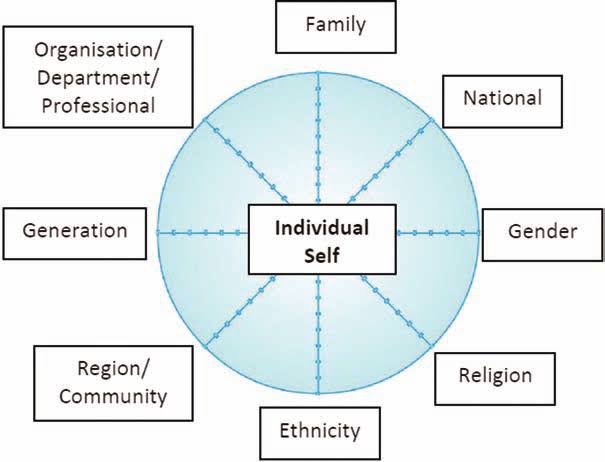
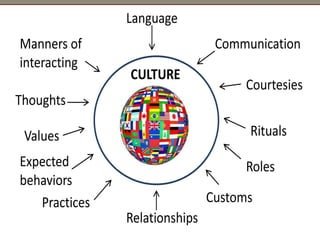
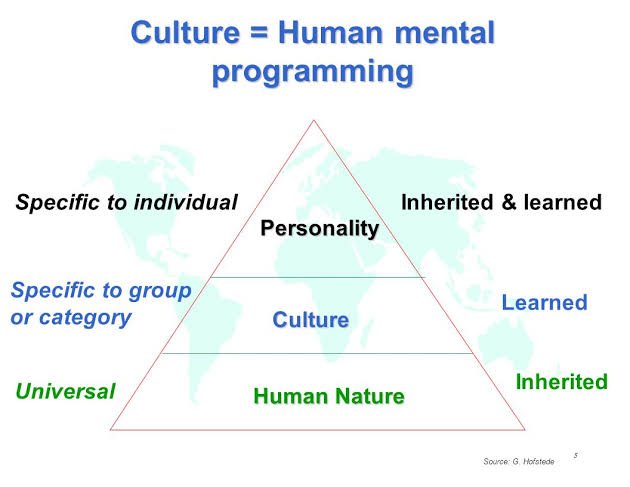
Culture influences various aspects of organizational behavior, including communication styles, decision-making processes, leadership styles, teamwork, and employee motivation. Different cultural backgrounds shape individuals’ values, beliefs, and behaviors, which in turn affect their work practices and interactions within an organization. Understanding these cultural differences is crucial for effective collaboration and productivity.
Challenges in Cross-Cultural Organizational Behavior
Cross-cultural organizational behavior comes with its fair share of challenges. Language barriers, differences in communication styles, varying work ethics, and conflicting values can hinder effective collaboration and teamwork. Misunderstandings arising from cultural differences may also lead to conflicts, reduced employee morale, and decreased productivity. Organizations must recognize and address these challenges to create an inclusive and harmonious work environment.
Strategies for Effective Cross-Cultural Organizational Behavior
To overcome the challenges associated with cross-cultural organizational behavior, organizations can implement the following strategies:
1. Cultural Awareness and Sensitivity: Foster cultural awareness among employees and provide training to promote understanding and appreciation of different cultural norms, values, and practices.
2. Effective Communication: Develop communication strategies that accommodate different communication styles, languages, and cultural preferences. Encourage active listening and provide clear guidelines for cross-cultural communication.
3. Building Trust and Relationships: Emphasize the importance of building trust and relationships among team members from diverse backgrounds. Encourage team-building activities, promote inclusivity, and create opportunities for cross-cultural interactions.
4. Managing Conflict: Establish mechanisms for managing and resolving conflicts arising from cultural differences. Encourage open dialogue, mediation, and a collaborative problem-solving approach.
Case Studies: Real-Life Examples of Cross-Cultural Organizational Behavior
a. Google’s Approach to Diversity and Inclusion: Google has implemented various initiatives to foster diversity and inclusion within its workforce. The company promotes an inclusive culture through employee resource groups, unconscious bias training, and mentorship programs, thereby enhancing cross-cultural collaboration and innovation.
b. Tata Group: Balancing Global and Local Cultures: The Tata Group, an Indian multinational conglomerate, successfully operates in diverse cultural contexts worldwide. By
embracing local cultures while maintaining a global perspective, Tata has built strong relationships with employees, customers, and stakeholders across different countries.
c. IKEA’s Adaptation to Local Markets: IKEA, the Swedish furniture retailer, adapts its products and store layouts to cater to the preferences and cultural needs of different countries. This approach has allowed IKEA to establish a strong global presence while respecting and valuing local cultures.
d. Infosys: Cultivating a Culture of Inclusion: Infosys, an Indian IT services company, focuses on fostering an inclusive work environment. Through diversity and inclusion initiatives, such as employee resource groups, mentorship programs, and bias training, Infosys has created a culture that celebrates individual differences and promotes cross-cultural collaboration.
Cross-Cultural Organizational Behavior in the Indian Context
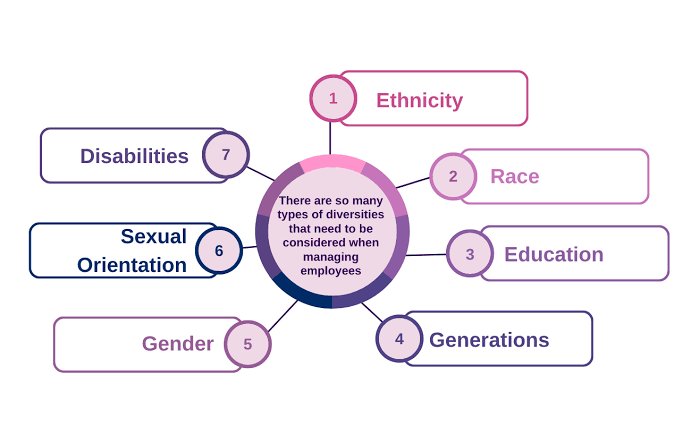
a. Diversity in India: A Cultural Melting Pot: India is renowned for its diverse culture, languages, religions, and traditions. Organizations in India must navigate this cultural diversity to harness its potential. By promoting inclusivity and embracing cultural differences, Indian companies can leverage the richness of their diverse workforce.
b. Success Stories of Indian Multinational Companies: Indian multinational companies like Tata Consultancy Services (TCS) and Mahindra & Mahindra have successfully expanded globally while maintaining their core Indian values. These companies have demonstrated the significance of cross-cultural organizational behavior in establishing strong global footprints.
Conclusion: Embracing Cross-Cultural Organizational Behavior for a Brighter Future
In an increasingly interconnected world, cross-cultural organizational behavior plays a vital role in organizational success. By understanding the impact of culture on organizational behavior, addressing the associated challenges, and implementing effective strategies, organizations can foster a harmonious and inclusive work environment. Real-life examples and case studies from around the world, including the Indian context, serve as inspiration and provide practical insights into the implementation of cross-cultural organizational behavior. Embracing diversity and creating a culture of inclusion will undoubtedly propel organizations toward a brighter future.
https://pagead2.googlesyndication.com/pagead/js/adsbygoogle.js?client=ca-pub-3482330748000937
 NTA NET PAPER II MANAGEMENT
Leave a comment