Index:
1. Introduction
2. Importance of Career Planning and Development
3. Understanding Career Planning
4. Steps to Effective Career Planning
5. Exploring Career Development
6. Strategies for Career Development
7. Real-Life Examples and Case Studies
a. International Case Studies
b. Indian Case Studies
8. Conclusion
Category: Career Development
Introduction:
In today’s fast-paced and competitive world, having a well-defined career plan and investing in personal development are essential for professional success. This blog aims to shed light on the significance of career planning and development, providing valuable insights, real-life examples, and case studies from around the world and within the Indian context. Whether you are a student, a working professional, or someone considering a career change, this comprehensive guide will help you navigate the journey towards a fulfilling and prosperous career.
Importance of Career Planning and Development:
Career planning and development involve proactive efforts to shape one’s professional path, align personal aspirations with professional goals, and continuously acquire new skills and knowledge. It offers numerous benefits, including:
1. Direction and Focus: Career planning provides a clear sense of direction, enabling individuals to set specific goals and work towards achieving them.
2. Maximizing Potential: By identifying strengths, interests, and values, individuals can make informed decisions and leverage their skills to reach their full potential.
3. Adaptability: Career development equips individuals with the necessary skills to adapt to changing work environments and seize emerging opportunities.
4. Job Satisfaction: Aligning personal passions with a chosen career path increases job satisfaction, leading to higher levels of engagement and productivity.
5. Professional Growth: Continuous learning and development are crucial for professional growth, ensuring individuals remain competitive in their respective fields.
Understanding Career Planning:
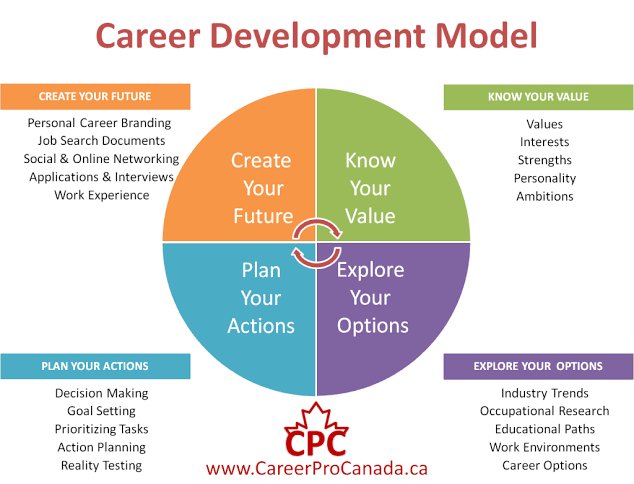
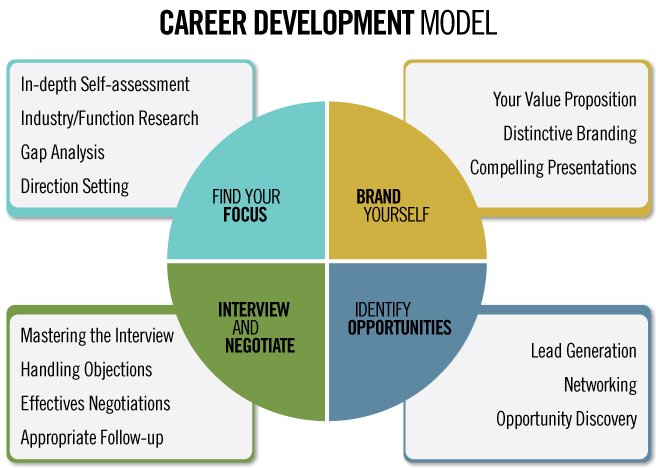
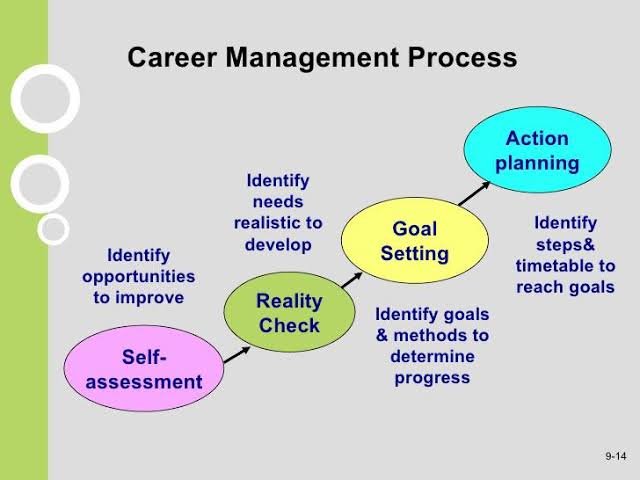
Career planning is a dynamic process that involves self-reflection, exploration, and decision-making. It encompasses several key elements:
1. Self-Assessment: Evaluating one’s strengths, weaknesses, interests, values, and goals is crucial for identifying suitable career options.
2. Career Exploration: Researching various industries, job roles, and organizational cultures helps individuals gain a comprehensive understanding of available opportunities.
3. Goal Setting: Setting SMART (Specific, Measurable, Achievable, Relevant, and Time-bound) goals enables individuals to outline their desired career trajectory.
Steps to Effective Career Planning:
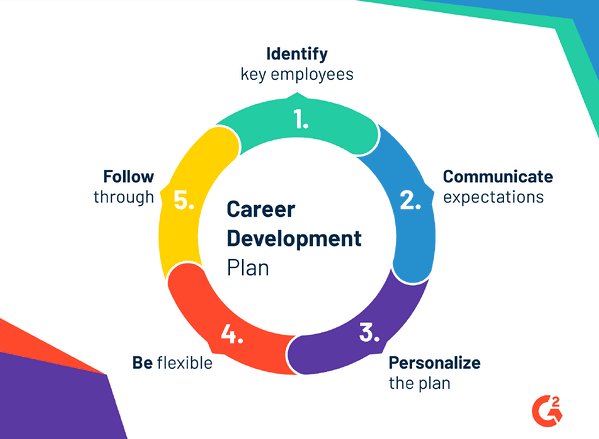
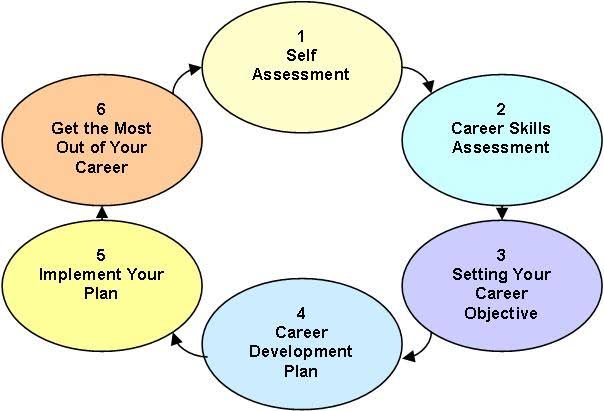
Effective career planning involves a systematic approach. Here are key steps to consider:
1. Self-Reflection: Understand your skills, interests, and values to identify potential career paths.
2. Research: Explore different industries, job roles, and organizations to gather information and make informed decisions.
3. Goal Setting: Set short-term and long-term goals that align with your aspirations and provide a roadmap for success.
4. Skill Development: Identify the skills needed for your chosen career and invest in learning and development opportunities.
5. Networking: Build meaningful professional connections to gain insights, mentorship, and potential job opportunities.
Exploring Career Development:
Career development focuses on acquiring new skills, advancing within a chosen field, and adapting to changing work dynamics. It involves the following components:
1. Training and Education: Engage in formal education, workshops, seminars, and online courses to enhance your knowledge and skill set.
2. Mentoring and Coaching: Seek guidance from experienced professionals who can provide valuable insights and support your growth.
3. Job Rotation and Promotion: Embrace opportunities for job rotation or promotions to broaden your skill set and gain new experiences.
4. Networking and Professional Associations: Engage with professional communities, attend industry events, and join relevant associations to expand your network and stay updated with industry trends.
Strategies for Career Development:
To foster career development, individuals can adopt the following strategies:
1. Continuous Learning
: Embrace a growth mindset and seek learning opportunities to acquire new skills and stay relevant in a rapidly evolving job market.
2. Embrace Challenges: Step out of your comfort zone and take on new projects or responsibilities that stretch your capabilities and contribute to your professional growth.
3. Build a Personal Brand: Establish a strong online presence, curate a professional image, and showcase your expertise through platforms such as LinkedIn and personal websites.
4. Seek Feedback: Actively seek feedback from colleagues, supervisors, and mentors to identify areas for improvement and enhance your performance.
Real-Life Examples and Case Studies:
a. International Case Studies:
– Mark Zuckerberg: The co-founder of Facebook demonstrated exceptional career planning by identifying the potential of social media and creating a global platform that revolutionized communication.
– Elon Musk: Known for his visionary approach, Elon Musk strategically planned his career, starting with Zip2, PayPal, Tesla, SpaceX, and other ventures that have redefined industries.
b. Indian Case Studies:
– Satya Nadella: The CEO of Microsoft, Satya Nadella, exemplifies effective career development by continuously enhancing his skills, leading to his rise from an engineer to the helm of a tech giant.
– Chanda Kochhar: Former CEO of ICICI Bank, Chanda Kochhar’s career trajectory showcases the value of long-term planning, dedication, and resilience.
Conclusion:
In conclusion, career planning and development are vital for individuals aspiring to succeed in their professional lives. By incorporating the steps and strategies discussed in this blog, you can effectively plan your career, align your aspirations with your professional goals, and continuously develop your skills to adapt to the ever-changing work landscape. Remember, a successful career requires commitment, perseverance, and a proactive approach towards personal and professional growth. Start your journey today, and unlock a world of opportunities!
https://pagead2.googlesyndication.com/pagead/js/adsbygoogle.js?client=ca-pub-3482330748000937
 NTA NET PAPER II MANAGEMENT
Leave a comment