Index:
1. Introduction: Understanding the Essence of Organizational Culture and Climate
2. The Significance of Organizational Culture and Climate
3. Influential Factors in Shaping Organizational Culture and Climate
a. Leadership and Management Styles
b. Communication and Collaboration
c. Employee Engagement and Motivation
d. Values and Ethics
e. Diversity and Inclusion
4. Real-Life Exemplars of Organizational Culture and Climate
a. Google: Inspiring Innovation Through a Vibrant Culture
b. Zappos: Elevating Customer Service as a Cultural Pillar
c. Tata Group: Upholding Ethics and Social Responsibility
d. Infosys: Empowering Growth and Learning in the IT Sector
5. Indian and Global Case Studies: Showcasing Organizational Transformation
a. Microsoft’s Cultural Metamorphosis Under Satya Nadella
b. Patagonia’s Sustainable Success through Purpose-Driven Culture
c. Netflix’s High-Performance Culture and Its Impact
d. Reliance Industries’ People-Centric Approach to Organizational Culture
6. Nurturing a Positive Organizational Culture and Climate
a. Defining a Compelling Mission and Vision
b. Establishing Core Values and Beliefs
c. Promoting Open and Transparent Communication
d. Providing Growth Opportunities and Development
e. Recognizing and Rewarding Employee Contributions
7. Conclusion: Fostering an Inclusive and Harmonious Work Environment
Category: Business, Leadership, Organizational Culture, Workplace
Introduction: Understanding the Essence of Organizational Culture and Climate
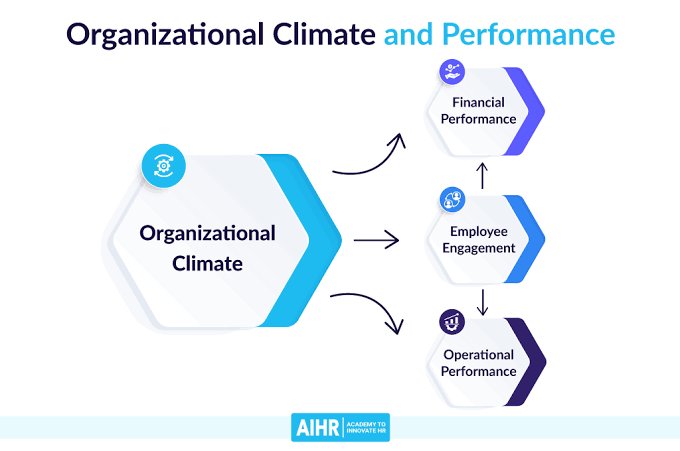
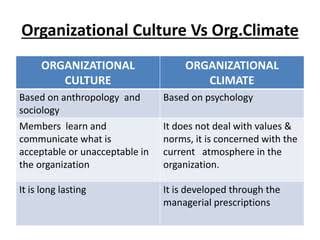
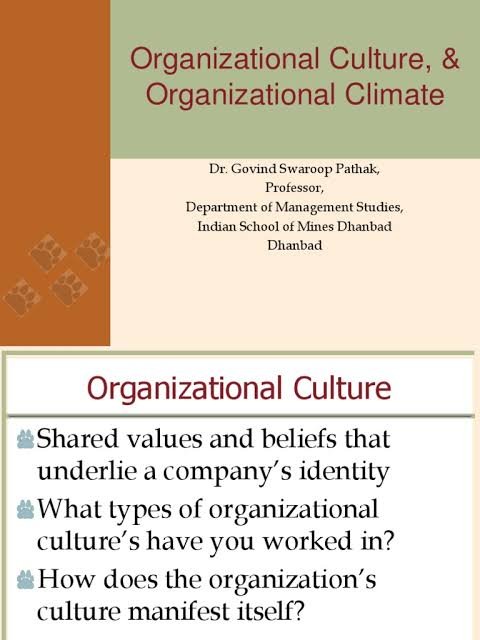
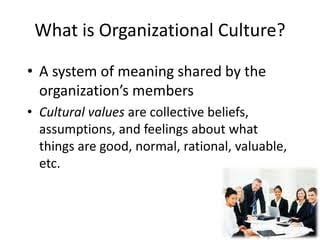
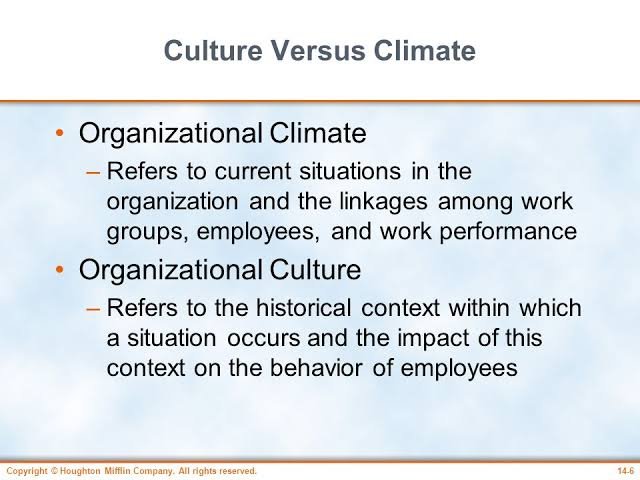
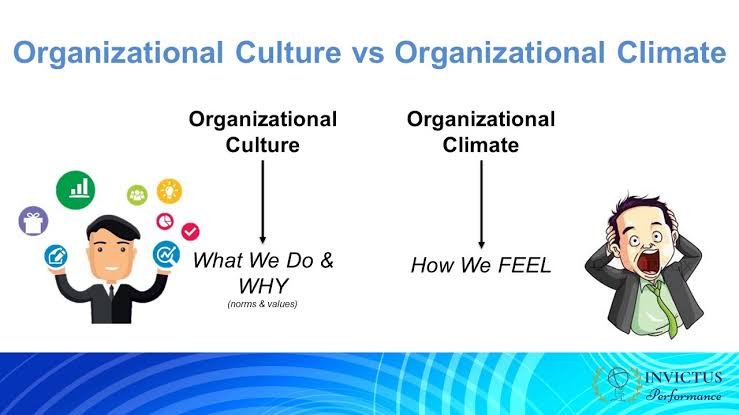
In the realm of organizational dynamics, the concepts of culture and climate stand as pillars of influence that shape the destiny of companies and institutions. While these terms are sometimes used interchangeably, they possess distinct meanings. Organizational culture encapsulates shared values, beliefs, and behaviors that guide decision-making and actions. On the other hand, organizational climate encompasses the prevailing atmosphere and employee well-being, including their satisfaction, engagement, and overall sense of fulfillment.
The Significance of Organizational Culture and Climate
The power of a strong and positive organizational culture and climate cannot be overstated. It is a catalyst for employee motivation, productivity, and job satisfaction. Such an environment fosters a sense of belonging, fuels collaboration and innovation, and bolsters employee retention. Conversely, a toxic or negative culture can lead to high turnover rates, diminished morale, and weakened organizational performance.
Influential Factors in Shaping Organizational Culture and Climate
Several key elements contribute to the development of organizational culture and climate. Let’s delve into these factors to gain a comprehensive understanding:
1. Leadership and Management Styles: Effective leaders set the tone for the organization and significantly influence its culture and climate. Their leadership styles, communication methods, and ability to inspire and motivate employees play a pivotal role in shaping the organizational environment.
2. Communication and Collaboration: Open and transparent communication channels lay the groundwork for trust, encourage collaboration, and foster a positive climate within the organization. Regular feedback, active listening, and effective communication strategies are essential for creating a healthy work environment.
3. Employee Engagement and Motivation: Organizations that prioritize employee engagement and motivation are more likely to cultivate a positive culture and climate. Providing opportunities for growth, recognizing and rewarding achievements, and involving employees in decision-making processes contribute to a sense of ownership and commitment.
4. Values and Ethics: Core values and ethical principles serve as the foundation of an organization’s culture. When these values align with employees’ personal beliefs and the organization’s mission, a sense of shared purpose and a robust ethical framework emerge.
5. Diversity and Inclusion
: Embracing diversity and fostering an inclusive culture leads to enhanced creativity, innovation, and problem-solving within teams. An organization that values and respects individual differences creates an environment where everyone feels valued and can contribute their unique perspectives.
Real-Life Exemplars of Organizational Culture and Climate
To illustrate the transformative power of organizational culture and climate, let’s explore real-life examples:
a. Google: Inspiring Innovation Through a Vibrant Culture
Google, known for its exceptional innovative capacity, has fostered a culture that encourages employees to think beyond conventional boundaries. Their work environment is designed to stimulate creativity, featuring perks such as free gourmet meals, flexible work hours, and unconventional workspaces. Google’s “20% time” policy, which allows employees to spend a portion of their work hours on personal projects, has yielded groundbreaking innovations like Gmail and Google Maps.
b. Zappos: Elevating Customer Service as a Cultural Pillar
Zappos, an online shoe and clothing retailer, places customer service at the heart of its organizational culture. Their unwavering commitment to delivering exceptional service has created a culture that empowers employees to surpass customer expectations. This dedication has resulted in a loyal customer base and propelled the company’s success.
c. Tata Group: Upholding Ethics and Social Responsibility
The Tata Group, a prominent Indian conglomerate, has long been recognized for its commitment to ethical practices and social responsibility. The organization’s culture revolves around values such as integrity, trust, and societal impact. Tata companies engage in philanthropic initiatives, exemplify ethical business practices, and actively promote sustainable development.
d. Infosys: Empowering Growth and Learning in the IT Sector
Infosys, a global IT consulting and services company, prioritizes learning and development within its organizational culture. The company invests significantly in training programs, mentoring initiatives, and continuous learning opportunities for employees. This commitment to professional growth has enabled Infosys to maintain a competitive edge in the rapidly evolving IT industry.
Indian and Global Case Studies: Showcasing Organizational Transformation
Examining successful transformations in organizational culture and climate provides deeper insights into their significance. Let’s explore a few notable case studies:
a. Microsoft’s Cultural Metamorphosis Under Satya Nadella
Satya Nadella’s leadership at Microsoft marked a significant cultural transformation. By fostering a growth mindset, promoting collaboration, and embracing innovation, Nadella revamped the organization’s culture. This shift resulted in Microsoft’s successful transition from a predominantly software-focused company to a cloud-based services powerhouse.
b. Patagonia’s Sustainable Success through Purpose-Driven Culture
Patagonia, an outdoor clothing and gear company, epitomizes a purpose-driven organizational culture. Their commitment to environmental sustainability and activism is deeply ingrained in their culture. Patagonia’s employees, known as environmental advocates, actively contribute to the organization’s mission and attract environmentally conscious customers.
c. Netflix’s High-Performance Culture and Its Impact
Netflix has gained acclaim for its high-performance culture, characterized by a strong focus on talent and meritocracy. The company’s unique “freedom and responsibility” culture grants employees significant autonomy and flexibility. Netflix’s culture of high expectations, coupled with a commitment to excellence, has propelled the company to global success.
d. Reliance Industries’ People-Centric Approach to Organizational Culture
Reliance Industries, a diversified conglomerate in India, places a strong emphasis on its people-centric culture. The organization values employee well-being, growth, and work-life balance. Through initiatives such as Reliance Wellness Centers and comprehensive development programs, Reliance Industries fosters a culture that supports and nurtures its workforce.
Nurturing a Positive Organizational Culture and Climate
To cultivate a positive organizational culture and climate, consider the following steps:
a. Defining a Compelling Mission and Vision: A clear mission and vision statement aligns employees’ efforts and provides a sense of purpose and direction.
b. Establishing Core Values and Beliefs: Identifying and promoting core values that reflect the organization’s principles and beliefs reinforces a cohesive culture.
c. Promoting Open and Transparent Communication: Encouraging open communication channels, active listening, and constructive feedback cultivates trust and fosters collaboration.
d. Providing Growth Opportunities and Development: Offering opportunities for learning, skill development, and career advancement enhances employee engagement and satisfaction.
e. Recognizing and Rewarding Employee Contributions: Acknowledging and celebrating employee achievements through recognition programs and rewards reinforces a positive culture of appreciation.
Conclusion: Fostering an Inclusive and Harmonious Work Environment
Organizational culture and climate are powerful influencers that shape the success and well-being of companies worldwide. By prioritizing factors such as leadership, communication, employee engagement, values, and diversity, organizations can foster a positive environment where employees thrive. Real-life examples and case studies provide valuable insights into the transformative potential of nurturing a culture that inspires, empowers, and fosters a sense of purpose. Let us embrace the journey towards building inclusive, harmonious, and successful work environments.
https://pagead2.googlesyndication.com/pagead/js/adsbygoogle.js?client=ca-pub-3482330748000937
 NTA NET PAPER II MANAGEMENT
Leave a comment