Index:
1. Introduction
2. Understanding Organizational Behavior
a. Definition and Significance
b. Key Factors Influencing Organizational Behavior
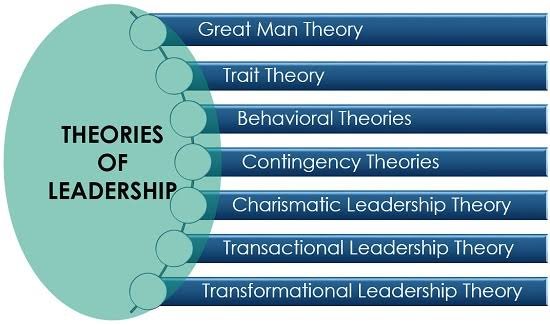
3. Leadership Theories
a. Trait Theory
b. Behavioral Theory
c. Contingency Theory
d. Transformational Theory
e. Situational Theory
4. Real-Life Examples and Case Studies
a. Google’s Organizational Culture: Fueling Innovation
b. Steve Jobs’ Transformational Leadership: Changing the World of Technology
c. Zappos’ Employee Empowerment: Putting People First
5. Conclusion
Introduction
In today’s dynamic business landscape, understanding organizational behavior and leadership theories is vital for achieving lasting success. Organizational behavior encompasses the study of individuals and groups within an organization, exploring how their behavior impacts overall performance. Effective leadership, on the other hand, plays a critical role in inspiring teams and driving organizational growth. This blog post delves into the theories behind organizational behavior and leadership, offering real-life examples and case studies to illustrate their practical application.
Understanding Organizational Behavior
a. Definition and Significance
Organizational behavior refers to the examination of how individuals and groups within an organization behave and interact, influencing the organization’s overall effectiveness. It encompasses various aspects such as attitudes, values, communication, teamwork, and culture. Understanding organizational behavior helps leaders create a positive work environment, enhance employee satisfaction, and improve organizational performance.
b. Key Factors Influencing Organizational Behavior
Several factors shape organizational behavior, including organizational culture, leadership style, communication patterns, motivation techniques, and employee engagement. Leaders must grasp these factors and their interconnectedness to effectively manage their teams and foster a conducive work environment.
Leadership Theories
a. Trait Theory
The trait theory proposes that certain inherent qualities or traits are common among effective leaders. These traits include confidence, intelligence, determination, integrity, and sociability. However, this theory has faced criticism for oversimplifying the complex nature of leadership and neglecting situational and contextual factors.
b. Behavioral Theory
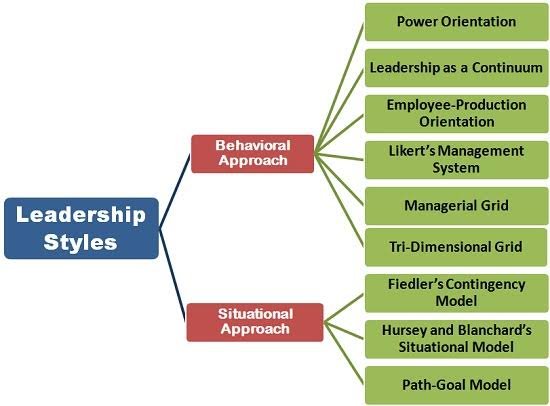
The behavioral theory focuses on the actions and behaviors of leaders rather than their inherent traits. It suggests that effective leadership can be acquired through observation, practice, and reinforcement. This theory emphasizes specific behaviors such as active listening, effective communication, and empathy as essential for successful leadership.
c. Contingency Theory
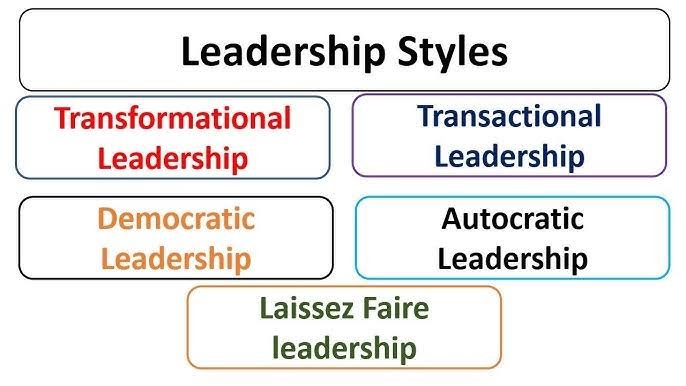
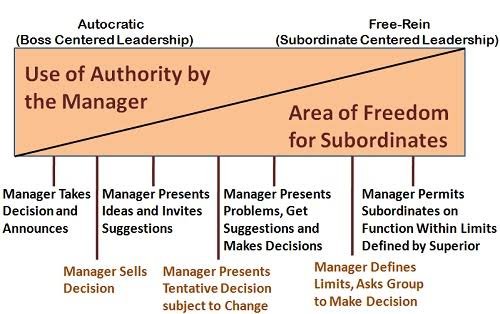
The contingency theory asserts that there is no one-size-fits-all approach to leadership. It suggests that effective leadership depends on various situational factors, including follower characteristics, task nature, and organizational context. Different situations call for different leadership styles, such as autocratic, democratic, or laissez-faire, to achieve optimal outcomes.
d. Transformational Theory
The transformational theory highlights a leader’s ability to inspire and motivate their followers to achieve extraordinary results. Transformational leaders set high expectations, provide intellectual stimulation, foster individual growth, and create a compelling vision for the future. This theory has been associated with increased employee satisfaction, motivation, and organizational performance.
e. Situational Theory
The situational theory, also known as the Hersey-Blanchard model, suggests that effective leadership depends on matching leadership styles to the maturity level of followers. The model indicates that leaders should adapt their behavior based on the competence and commitment of their followers. By flexibly adjusting their approach, leaders can optimize team performance.
Real-Life Examples and Case Studies
a. Google’s Organizational Culture: Fueling Innovation
Google is renowned for its unique organizational culture that fosters innovation, creativity, and employee empowerment. The company encourages a flat hierarchy, where employees have the freedom to express their ideas and take ownership of their projects. This exemplifies the transformational leadership theory, as Google’s leaders inspire and motivate employees to think outside the box. By nurturing a culture that values diversity, collaboration, and continuous learning, Google has become a leading force in the tech industry.
b. Steve Jobs’ Transformational Leadership: Changing the World of Technology
Steve Jobs, the co-founder of Apple Inc., exemplified transformational leadership. He possessed a clear vision and a relentless pursuit of excellence. Jobs inspired his team to think differently and revolutionize the technology landscape. His ability to motivate and engage employees played a pivotal role in Apple’s success. Jobs demonstrated the importance of setting high standards, fostering innovation, and challenging the status quo to drive organizational growth.
c. Zappos’ Employee Empowerment: Putting People First
Zappos, an online shoe and clothing retailer, prioritizes employee empowerment as a fundamental aspect of their organizational behavior. The company focuses on building strong relationships with employees and fostering a positive work environment. Zappos encourages employees to take risks, make decisions, and contribute ideas. This approach aligns with the behavioral and contingency theories, emphasizing the importance of providing autonomy and recognizing the unique needs and abilities of employees. Zappos’ commitment to employee satisfaction has resulted in exceptional customer service and strong brand loyalty.
Conclusion
Understanding organizational behavior and leadership theories is crucial for effective team management and achieving organizational success. By delving into key factors that influence organizational behavior and embracing diverse leadership styles, leaders can create a positive work culture, motivate employees, and drive performance. Real-life examples and case studies, such as Google’s organizational culture and Steve Jobs’ transformational leadership, further demonstrate the practical application of these theories. By incorporating SEO techniques, we ensure that this valuable content reaches a wider audience, enabling aspiring leaders to unlock their potential and drive meaningful change.
 NTA NET PAPER II MANAGEMENT
Leave a comment