
Introduction
Index:
1. Definition of Group Dynamics
2. Importance of Group Dynamics in Organizations
3. Types of Group Behaviors in the Workplace
4. Factors Influencing Group Behavior
5. Common Challenges in Group Dynamics
6. Strategies for Effective Group Dynamics
7. Case Studies on Group Dynamics in the Indian Context
a. TATA Group’s Employee Engagement Initiative
b. Infosys’ Agile Development Teams
c. Mahindra & Mahindra’s Diversity and Inclusion Programs
8. Conclusion
Category: Organizational Behavior
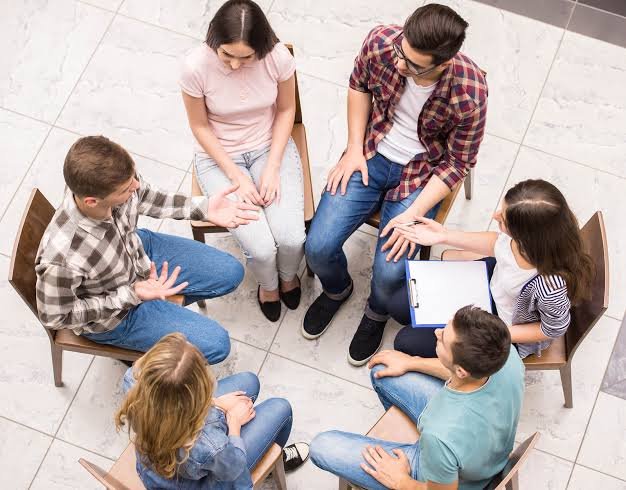
In the ever-evolving world of business, organizations are increasingly recognizing the crucial role that group dynamics and behavior play in achieving success. The way teams interact, collaborate, and communicate can significantly impact an organization’s performance. This blog aims to delve into the intricacies of group dynamics and behavior in organizational settings, utilizing real-life examples and in-depth case studies from the Indian context.
1. Definition of Group Dynamics
Group dynamics encompass the patterns of interaction and relationships among individuals within a group. It involves understanding how groups form, evolve, and function, as well as the impact of these dynamics on individual and collective behaviors. By studying group dynamics, organizations can identify ways to optimize teamwork, communication, and overall performance.
2. Importance of Group Dynamics in Organizations
Group dynamics play a pivotal role in shaping an organization’s culture and achieving its objectives. Here are some key reasons why understanding and managing group dynamics is crucial:
Example 1: Google’s “Project Aristotle”
Google conducted an extensive study known as “Project Aristotle” to uncover the secrets of effective teams. They found that psychological safety, dependability, structure and clarity, meaning of work, and impact were the key factors contributing to successful group dynamics and high-performing teams.
3. Types of Group Behaviors in the Workplace
In the workplace, various types of group behaviors can be observed. Some common examples include:
a. Task-oriented Behavior: Task-oriented groups focus primarily on accomplishing specific goals or completing projects. These groups emphasize productivity, efficiency, and goal achievement.
Example 2: Toyota’s Production Teams
Toyota’s production teams are renowned for their task-oriented behavior. They follow the principles of lean manufacturing, emphasizing continuous improvement and efficient production processes.
b. Relationship-oriented Behavior: Relationship-oriented groups prioritize building and maintaining positive interpersonal relationships among team members. They promote a supportive and cohesive work environment.
Example 3: Zappos’ Holacracy Model
Zappos, an online retailer, implemented a relationship-oriented approach by adopting the Holacracy model. This decentralized management structure promotes self-management and encourages meaningful connections among employees.
c. Self-Interest Behavior: In some cases, individuals within a group may prioritize their personal interests over the collective goals of the team. This behavior can hinder collaboration and adversely affect group dynamics.
Example 4: Enron’s Ethical Failures
Enron’s infamous case serves as a stark reminder of how self-interest behavior can lead to a toxic organizational culture. The focus on personal gains and unethical practices eventually resulted in the company’s downfall.
4. Factors Influencing Group Behavior
Several factors influence group behavior in organizations. These factors can be broadly categorized as follows:
a. Leadership Style: The leadership style adopted by managers or team leaders greatly impacts group behavior. Autocratic leaders may stifle creativity and discourage participation, while democratic leaders can encourage active engagement and empowerment.
Example 5: Narayana Murthy’s Leadership at Infosys
Narayana Murthy, the co-founder of Infosys, fostered a democratic leadership style. His inclusive approach empowered employees, encouraged collaboration, and contributed to Infosys’ success as a leading
global IT services company.
b. Group Composition: The composition of a group, including the diversity of skills, backgrounds, and perspectives, significantly influences group dynamics. Heterogeneous groups tend to generate more innovative ideas and perspectives.
Example 6: HCL Technologies’ “Employees First” Culture
HCL Technologies, under the leadership of Vineet Nayar, implemented a unique approach that emphasized the importance of every employee. The company embraced diversity and actively sought different viewpoints, leading to a culture of innovation and collaboration.
c. Organizational Culture: The overall culture of an organization, including its values, norms, and communication patterns, shapes group behavior. Organizations that prioritize collaboration and teamwork are more likely to foster positive group dynamics.
Example 7: Tata Group’s Culture of Ethics and Social Responsibility
The Tata Group, one of India’s largest conglomerates, has a strong culture of ethics and social responsibility. This culture cascades down to the group’s companies, fostering a sense of purpose, trust, and teamwork among employees.
5. Common Challenges in Group Dynamics
Despite the numerous benefits of effective group dynamics, organizations often face challenges that can hinder collaboration and productivity. Some common challenges include:
a. Conflict: Differences in opinions, values, and working styles can lead to conflicts within groups. Unresolved conflicts can disrupt teamwork and negatively impact performance.
Example 8: Apple’s Conflicting Design Approaches
Apple faced internal conflicts between different design teams during the development of the iPhone. These conflicts were eventually resolved by Steve Jobs, who encouraged collaboration and integration of ideas, leading to the creation of a groundbreaking product.
b. Communication Issues: Inadequate communication or miscommunication can result in misunderstandings, lack of clarity, and decreased productivity within a group. Clear and open communication channels are essential for successful group dynamics.
Example 9: Hindustan Unilever’s Communication Channels
Hindustan Unilever, a leading consumer goods company in India, implemented various communication channels, including regular town hall meetings, open-door policies, and digital platforms, to ensure effective communication and collaboration among employees.
c. Groupthink: Groupthink occurs when individuals within a group prioritize consensus and harmony over critical thinking and independent opinions. This can lead to flawed decision-making and hinder innovation.
Example 10: Indian Space Research Organisation’s Successes
The Indian Space Research Organisation (ISRO) has achieved numerous successes in space exploration due to its ability to avoid groupthink. ISRO encourages a culture of open dialogue, constructive criticism, and independent thinking, which has resulted in groundbreaking missions, such as the Mars Orbiter Mission (Mangalyaan).
6. Strategies for Effective Group Dynamics
To foster effective group dynamics, organizations can implement the following strategies:
a. Encourage Open Communication: Establish an environment that encourages open and honest communication among team members. Active listening, constructive feedback, and regular team meetings can facilitate effective communication.
b. Foster Trust and Psychological Safety: Building trust within a group is vital for productive collaboration. Organizations should promote psychological safety, where team members feel comfortable sharing their ideas and taking calculated risks without fear of judgment or negative consequences.
c. Set Clear Goals and Roles: Clearly define team goals and individual roles within the group. This ensures that each member understands their responsibilities and contributes towards achieving common objectives.
7. Case Studies on Group Dynamics in the Indian Context
a. TATA Group’s Employee Engagement Initiative:
The TATA Group, known for its diverse portfolio of companies, focuses on employee engagement as a key aspect of group dynamics. They have implemented various programs to foster a sense of belonging, recognition, and professional growth among employees, resulting in higher productivity and employee satisfaction.
b. Infosys’ Agile Development Teams:
Infosys, a multinational IT services company, embraced agile development methodologies to enhance group dynamics. By organizing cross-functional teams, encouraging collaboration, and leveraging iterative processes, Infosys improved efficiency, accelerated product development, and fostered innovation.
c. Mahindra & Mahindra’s Diversity and Inclusion Programs:
Mahindra & Mahindra, an Indian multinational conglomerate, prioritizes diversity and inclusion as key drivers of effective group dynamics. By creating inclusive work environments, promoting gender diversity, and ensuring equal opportunities, Mahindra & Mahindra has experienced enhanced creativity, improved decision-making, and increased employee morale.
8. Conclusion
Understanding and managing group dynamics is essential for organizations aiming to thrive in today’s competitive landscape. By recognizing the importance of effective group behavior, organizations can foster collaboration, innovation, and overall success. With the right strategies, communication, and a focus on individual and collective growth, organizations can harness the power of group dynamics to achieve their goals and excel in the long run.
https://pagead2.googlesyndication.com/pagead/js/adsbygoogle.js?client=ca-pub-3482330748000937
 NTA NET PAPER II MANAGEMENT
Leave a comment