Introduction:
In today’s fast-paced world, effective communication and understanding of interpersonal behavior are crucial skills for building successful relationships, whether personal or professional. Transactional Analysis (TA) offers a valuable framework for analyzing and improving human interactions. In this blog post, we will explore the concept of interpersonal behavior, delve into the fundamentals of Transactional Analysis, and examine real-life examples and case studies from both Indian and global contexts. By the end, you will have gained a deeper understanding of how interpersonal behavior influences our daily interactions.
Index:
1. Introduction
2. Understanding Interpersonal Behavior
3. Introduction to Transactional Analysis
4. The Three Ego States in Transactional Analysis
4.1. Parent Ego State
4.2. Adult Ego State
4.3. Child Ego State
5. Transactional Analysis and Interpersonal Communication
6. Real-Life Examples and Case Studies
6.1. Workplace Interactions
6.2. Family Dynamics
6.3. Interpersonal Conflicts
7. Transactional Analysis in the Indian Context
8. Transactional Analysis in the Global Context
9. Conclusion
Understanding Interpersonal Behavior:
Interpersonal behavior refers to the way individuals interact and communicate with one another. It encompasses verbal and non-verbal cues, emotions, attitudes, and social dynamics. Effective interpersonal behavior involves active listening, empathy, and assertiveness. By understanding the underlying principles and dynamics of interpersonal behavior, we can enhance our communication skills and build healthier relationships.
Introduction to Transactional Analysis:
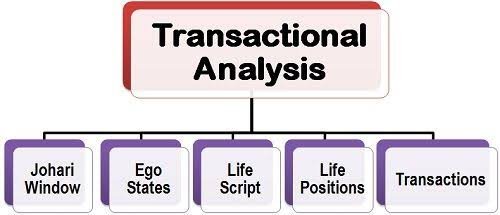
Transactional Analysis, developed by psychiatrist Eric Berne, is a psychological theory that aims to explain how individuals interact and communicate with each other. It focuses on the analysis of ego states, which represent different patterns of thinking, feeling, and behaving. By recognizing and understanding these ego states, individuals can gain insight into their own behavior and improve their interactions with others.
The Three Ego States in Transactional Analysis:
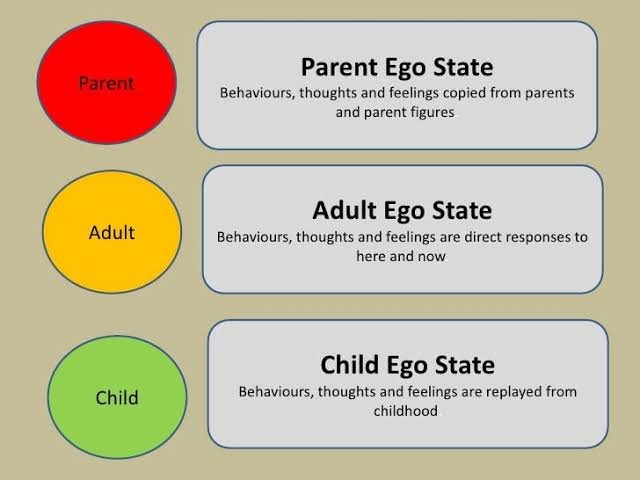
1. Parent Ego State: This ego state is influenced by the beliefs, values, and behaviors adopted from parents, caregivers, and authority figures. It can manifest as nurturing or controlling behaviors.
2. Adult Ego State: The adult ego state represents rational thinking, objective analysis, and decision-making based on the present moment. It involves logical reasoning and free from emotional bias.
3. Child Ego State: The child ego state reflects our emotions, desires, and learned behaviors from childhood. It can be either adaptive (positive) or maladaptive (negative) based on early experiences.
Transactional Analysis and Interpersonal Communication:
Transactional Analysis provides a framework to analyze and improve interpersonal communication. It emphasizes the importance of effective transactions, where individuals communicate and respond from their adult ego state, promoting open and constructive dialogue. By recognizing and adjusting ego states during interactions, individuals can break free from unproductive patterns and achieve healthier communication dynamics.
Real-Life Examples and Case Studies:
To illustrate the practical application of Transactional Analysis, let’s explore some real-life examples and case studies:
1. Workplace Interactions: Analyzing communication patterns in the workplace, such as interactions between superiors and subordinates, can shed light on power dynamics and their impact on employee morale and productivity.
2. Family Dynamics: Examining family interactions, such as parent-child relationships or marital conflicts, through the lens of Transactional Analysis can help identify underlying patterns and foster healthier communication within the family unit.
3. Interpersonal Conflicts: Case studies involving conflicts between individuals, whether in personal or professional settings, can showcase how Transactional Analysis techniques can be used to resolve disputes and rebuild relationships.
Transactional Analysis in the Indian Context:
Transactional Analysis finds relevance in the Indian cultural context, where hierarchies
and family structures play a significant role. By applying Transactional Analysis principles, individuals can navigate complex social dynamics, promote effective communication, and bridge generational gaps.
Transactional Analysis in the Global Context:
Transactional Analysis has gained popularity worldwide due to its universal applicability. Case studies from different cultural contexts can highlight the cross-cultural aspects of interpersonal behavior, providing insights into the similarities and differences in communication patterns.
Conclusion:
In conclusion, understanding interpersonal behavior and Transactional Analysis can greatly enhance our communication skills and relationships. By recognizing and adjusting ego states, we can foster healthy communication dynamics in various contexts. Through real-life examples and case studies, we have seen the practical application of Transactional Analysis in both the Indian and global contexts. So, let’s embrace this knowledge and strive for more meaningful and effective interactions with others.
https://pagead2.googlesyndication.com/pagead/js/adsbygoogle.js?client=ca-pub-3482330748000937
 NTA NET PAPER II MANAGEMENT
Leave a comment