Index:


- Introduction
- Understanding Group Behavior in Organizations
- Importance of Team Building
- Real-Life Examples of Successful Team Building Initiatives
- Case Studies Demonstrating the Impact of Group Behavior on Organizational Success
- Strategies for Effective Team Building
- Conclusion
- References
Category: Organizational Behavior
In today’s fast-paced and interconnected business landscape, organizations are increasingly recognizing the significance of group behavior and team building in driving success. By fostering a collaborative and harmonious work environment, companies can unlock the full potential of their employees, enhance productivity, and create a cohesive organizational culture. This blog post explores the concepts of group behavior and team building, highlighting their importance through real-life examples, case studies, and practical strategies.
Understanding Group Behavior in Organizations:
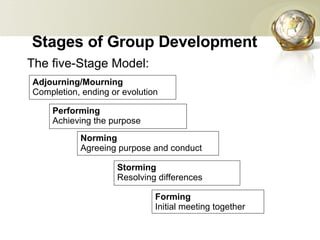
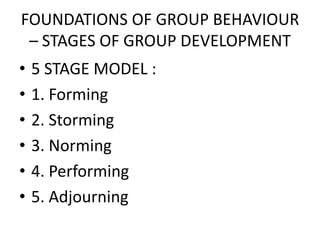
Group behavior refers to the patterns of interactions, dynamics, and relationships within a group of individuals working together towards a common goal. It encompasses how members communicate, collaborate, and influence each other, ultimately shaping the group’s overall performance. When group behavior is positive, it can foster creativity, synergy, and mutual support, leading to enhanced problem-solving abilities and increased productivity.
Importance of Team Building:
Team building activities play a crucial role in improving group behavior within organizations. They provide opportunities for employees to interact outside their usual work context, fostering trust, cooperation, and open communication. Effective team building initiatives can yield numerous benefits, including:
- Improved Communication: By engaging in activities that encourage open and honest communication, team members can develop stronger bonds, leading to increased collaboration and synergy.
- Enhanced Problem Solving: Team building exercises often involve solving challenging tasks together. This promotes critical thinking, creativity, and the ability to work collaboratively to overcome obstacles.
- Strengthened Relationships: Team building activities create an environment where individuals can build personal connections, trust, and empathy. This leads to better teamwork, reduced conflict, and a more positive work atmosphere.
- Increased Motivation: Engaging team building initiatives can boost employee morale, job satisfaction, and overall motivation. When employees feel valued and supported, they are more likely to be committed to their work and the organization.
Real-Life Examples of Successful Team Building Initiatives:
- Company Retreats: Many organizations organize retreats where employees engage in team-building exercises, workshops, and bonding activities. These retreats often take place in scenic locations and provide a relaxed setting for team members to connect and collaborate.
- Outdoor Adventures: Activities such as hiking, canoeing, or obstacle courses can promote teamwork, trust, and problem-solving skills. These adventures encourage individuals to rely on one another’s strengths and foster a sense of camaraderie.
- Volunteer Work: Engaging in community service together allows employees to bond while making a positive impact on society. Volunteering can instill a sense of purpose and shared values within the team.
Case Studies Demonstrating the Impact of Group Behavior on Organizational Success:
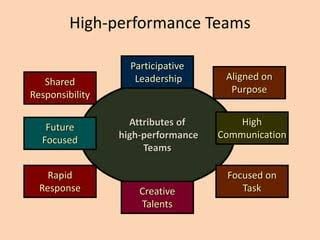
- Google: The company’s “Project Aristotle” aimed to identify the factors that contribute to high-performing teams. The study found that psychological safety, dependability, structure, clarity, and meaning were critical elements for effective team dynamics and overall success.
- Zappos: The online retailer fosters a unique company culture by placing a strong emphasis on group behavior. They encourage employees to build relationships, collaborate, and have fun together, leading to high levels of employee engagement and customer satisfaction.
Strategies for Effective Team Building:
- Clearly Define Goals: Clearly articulate team objectives, roles, and responsibilities to ensure everyone is aligned and working towards a shared purpose.
- Foster Trust and Psychological Safety: Create an environment where team members feel safe to express their ideas, opinions, and
3. Encourage Open Communication: Establish channels for open and transparent communication within the team. Regular team meetings, feedback sessions, and brainstorming sessions can promote effective communication and information sharing.
4. Promote Collaboration: Encourage collaboration and teamwork by assigning projects that require cross-functional cooperation. Provide opportunities for team members to work together and leverage each other’s strengths.
5. Provide Training and Development: Offer training programs and workshops that enhance teamwork, communication, conflict resolution, and problem-solving skills. Invest in the professional development of team members to improve their overall effectiveness.
6. Recognize and Celebrate Achievements: Acknowledge and appreciate individual and team accomplishments. Celebrate milestones and achievements to boost morale and reinforce a positive team culture.
7. Embrace Diversity and Inclusion: Embrace diversity within the team and promote an inclusive environment where everyone feels valued and respected. Recognize and leverage the unique perspectives and talents of each team member.
8. Regular Team-Building Activities: Plan regular team-building activities that are fun, engaging, and promote collaboration. These can range from team outings, icebreaker games, to team challenges or workshops focused on improving specific aspects of team dynamics.
Conclusion:
Effective group behavior and team building are essential for creating a positive and productive work environment. By investing in team building initiatives and fostering strong group behavior, organizations can unlock the potential of their employees, promote collaboration, and achieve greater success. Real-life examples and case studies demonstrate the impact of team building on organizational performance. By implementing practical strategies and promoting open communication, organizations can cultivate a strong team culture that drives innovation, productivity, and employee satisfaction.
 NTA NET PAPER II MANAGEMENT
Leave a comment