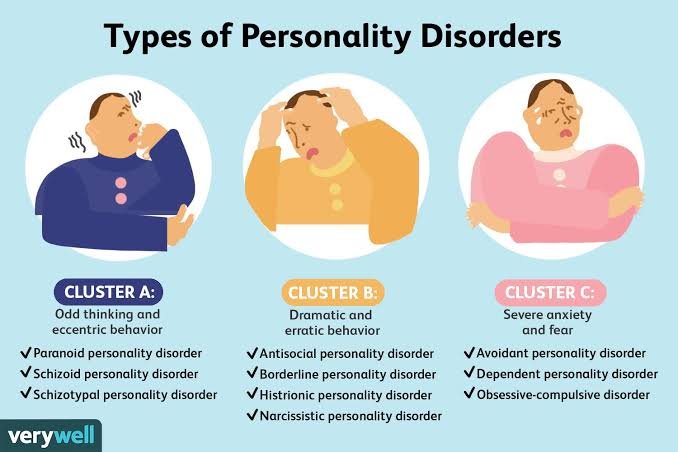
Category: Psychology, Personality theory.
Introduction:
Welcome to our comprehensive blog on personality theory, where we dive deep into the fascinating world of human behavior and explore the various theories that seek to explain our unique personalities. Whether you’re a psychology enthusiast, a student studying the subject, or simply curious about what makes us who we are, this blog aims to provide you with valuable insights in a friendly and accessible manner. Join us as we unravel the mysteries of personality theory and discover its practical applications in real-life scenarios.
Index:
1. Introduction
2. Theories of Personality
a. Psychodynamic Theory
b. Humanistic Theory
c. Trait Theory
d. Social-Cognitive Theory
3. Case Studies: Real-Life Examples
a. The Case of Sarah: Applying Psychodynamic Theory
b. The Case of Mark: Exploring Humanistic Theory
c. The Case of Jane: Analyzing Trait Theory
d. The Case of Alex: Understanding Social-Cognitive Theory
4. Understanding Personality Dimensions
a. Extraversion vs. Introversion
b. Agreeableness vs. Antagonism
c. Conscientiousness vs. Impulsivity
d. Neuroticism vs. Emotional Stability
e. Openness vs. Closed-Mindedness
5. How Personality Influences Behavior
a. The Person-Situation Interaction
b. Role of Personality in Decision Making
c. Personality and Social Interactions
6. Practical Applications of Personality Theory
a. Career Counseling and Personality Assessments
b. Relationship Building and Compatibility
c. Team Dynamics and Leadership Styles
7. Conclusion
Section 1: Theories of Personality
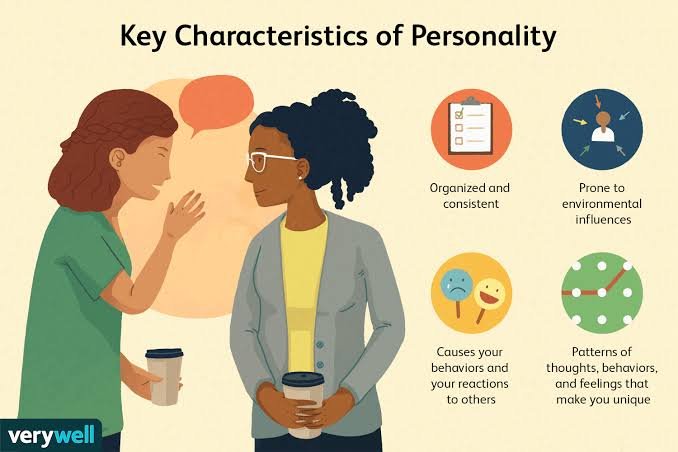
Personality theories provide frameworks for understanding why individuals behave the way they do. In this section, we’ll explore key theories such as psychodynamic theory, which emphasizes the role of the unconscious mind; humanistic theory, which focuses on self-actualization and personal growth; trait theory, which categorizes individuals based on their characteristic traits; and social-cognitive theory, which examines the interplay between personal factors, environmental influences, and behavior.
Section 2: Case Studies: Real-Life Examples
To make the concepts more relatable, we’ll present a series of case studies that demonstrate how personality theories can be applied in real-life situations. Through these examples, you’ll gain a deeper understanding of how personality influences thoughts, emotions, and actions. Let’s explore the cases of Sarah, Mark, Jane, and Alex, and see how their personalities shape their behavior and experiences.
Case Study 1: The Case of Sarah (Applying Psychodynamic Theory)
Sarah, a young woman struggling with anxiety, provides an opportunity to apply psychodynamic theory. We’ll examine the influence of unconscious conflicts, defense mechanisms, and early childhood experiences on her personality development and psychological well-being.
Case Study 2: The Case of Mark (Exploring Humanistic Theory)
Mark, a middle-aged man seeking fulfillment in his career, allows us to delve into humanistic theory. We’ll explore concepts like self-actualization, Maslow’s hierarchy of needs, and the importance of personal growth and self-awareness in shaping an individual’s personality.
Case Study 3: The Case of Jane (Analyzing Trait Theory)
Jane, a college student known for her conscientiousness and agreeable nature, provides an excellent example for analyzing trait theory. We’ll examine the Big Five personality traits and how they manifest in Jane’s academic and social life.
Case Study 4: The Case of Alex (Understanding Social-Cognitive Theory)
Alex, a young professional seeking to improve his communication skills, serves as a case study to understand social-cognitive theory. We’ll explore how Alex’s beliefs, self-efficacy, and observational learning contribute to his interpersonal interactions and behavior in the workplace.
Section 4: Understanding Personality Dimensions
Personality dimensions play a significant role in defining our unique traits and behaviors. In this section, we’ll delve into various dimensions commonly used in personality assessment, including extraversion vs. introversion, agreeableness vs. antagonism, conscientiousness vs. impulsivity, neuroticism vs. emotional stability, and openness vs. closed-mindedness. Through relatable examples and easy-to-understand explanations, you’ll gain insights into how these dimensions shape individuals’ personalities.
Section 5: How Personality Influences Behavior
Personality has a profound impact on our behavior, guiding how we perceive, interpret, and respond to the world around us. This section will explore the person-situation interaction, highlighting the complex interplay between internal factors (personality traits) and external factors (environmental circumstances). We’ll examine how personality influences decision making, social interactions, and even our career choices.
Section 6: Practical Applications of Personality Theory
Personality theory goes beyond academic curiosity and has practical applications in various fields. This section will discuss how personality assessments can be used in career counseling to match individuals with suitable occupations based on their personality traits. We’ll also explore how understanding personality theory can enhance relationship building, improve compatibility, and foster effective communication. Additionally, we’ll delve into how personality traits impact team dynamics and leadership styles, and how this knowledge can be leveraged for better collaboration and productivity.
Conclusion:
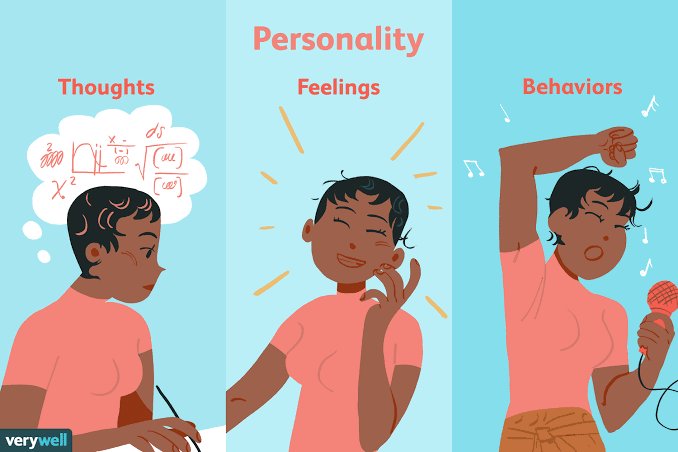
In conclusion, personality theory offers valuable insights into understanding the complexities of human behavior. By exploring various theories, real-life case studies, and practical applications, we’ve gained a deeper understanding of why individuals behave the way they do and how personality traits shape their thoughts, emotions, and actions. Remember, each person is a unique combination of traits, and understanding these traits can enhance our interactions, relationships, and personal growth.
Thank you for joining us on this journey through personality theory. We hope you found this comprehensive blog informative and engaging. If you have any questions or would like to share your thoughts, please leave a comment below. Stay tuned for more fascinating topics on psychology and human behavior!
 NTA NET PAPER II MANAGEMENT
Leave a comment