- Introduction
- The Benefits of Centralization
- The Benefits of Decentralization
- Real-Life Examples and Case Studies
- Achieving Balance: Strategies for Effective Integration
- Conclusion
- Categories: Business, Management, Organizational Structure
- Tags: Centralization, Decentralization, Organizational Effectiveness, Business Strategy
Introduction
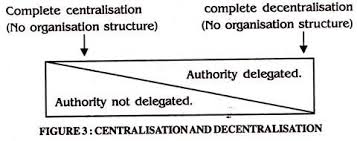
In today’s dynamic business environment, organizations constantly seek ways to optimize their operations and achieve the best results. Two competing approaches that often arise in this pursuit are centralization and decentralization. While centralization promotes control, efficiency, and consistency, decentralization fosters innovation, flexibility, and local empowerment. Striking the right balance between these two models is crucial for organizations to thrive. In this blog post, we will explore the benefits of centralization and decentralization, provide real-life examples and case studies, and present strategies for effectively integrating both approaches.
The Benefits of Centralization
Centralization involves consolidating decision-making authority and control within a central entity or a select group of individuals. This model offers several key benefits:
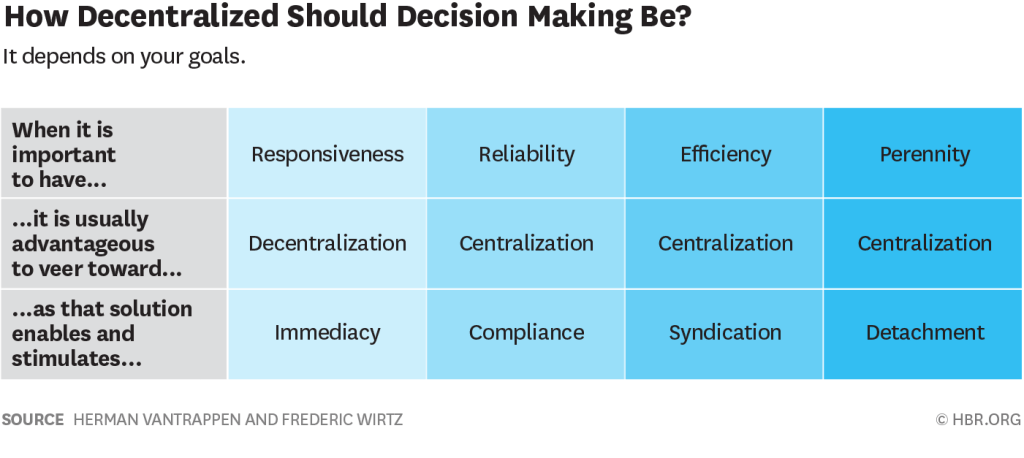
- Efficiency and Consistency: Centralization enables organizations to streamline processes, eliminate duplication of efforts, and achieve greater efficiency. By centralizing resources and expertise, companies can standardize procedures, ensuring consistent quality and reducing costs.
- Stronger Oversight and Governance: Centralization provides clearer lines of authority and accountability, facilitating better oversight and governance. Decision-makers at the top can establish and enforce policies, ensuring compliance and risk management across the organization.
- Economies of Scale: Centralization allows organizations to leverage economies of scale by centralizing purchasing, negotiation, and procurement. Bulk buying and standardized contracts often lead to cost savings and improved supplier relationships.
The Benefits of Decentralization
Decentralization, on the other hand, empowers local teams or individuals to make decisions and take actions within predefined boundaries. This approach brings forth numerous advantages:
- Local Innovation and Adaptability: Decentralization encourages creativity, fosters innovation, and enables faster responses to local market dynamics. Empowering teams to make decisions based on their intimate knowledge of local conditions often leads to more tailored and effective solutions.
- Employee Empowerment and Engagement: When employees are given autonomy and authority to make decisions, it boosts their motivation, job satisfaction, and sense of ownership. Decentralization promotes a culture of trust and empowers individuals to contribute their unique insights and expertise.
- Market Responsiveness: Decentralized organizations can swiftly respond to regional variations, customer preferences, and emerging opportunities. Local decision-making authority allows for quick adaptations to meet customer demands, ultimately enhancing customer satisfaction and loyalty.
Real-Life Examples and Case Studies
- Toyota: Toyota is renowned for its hybrid approach to organizational structure. While it maintains a centralized decision-making process for strategic decisions and quality control, it also embraces decentralization by empowering employees on the production floor to contribute ideas and continuously improve processes through the “Toyota Production System.”
- Zappos: The online shoe retailer Zappos has successfully implemented decentralization in its customer service department. Representatives have the freedom to make decisions and go above and beyond to ensure customer satisfaction, without the need for managerial approval. This autonomy has contributed to Zappos’ exceptional customer service reputation.
Achieving Balance: Strategies for Effective Integration
To harness the benefits of both centralization and decentralization, organizations can employ the following strategies:
- Clear Objectives and Boundaries: Clearly define decision rights, responsibilities, and boundaries for each level of the organization. Establish guidelines and frameworks to ensure alignment with organizational goals while allowing flexibility within defined limits.
- Open Communication and Collaboration: Foster a culture of open communication, where ideas and feedback flow freely across all levels of the organization. Encourage collaboration between centralized and decentralized teams to leverage collective knowledge and expertise.
- Continuous Evaluation and Adaptation: Regularly assess the effectiveness of the organizational structure and decision-making processes. Identify areas where centralization or decentralization can be further optimized and adapt accordingly to evolving market conditions.
Conclusion
Finding the right balance between centralization and decentralization is an ongoing challenge for organizations. By harnessing the benefits of both models, organizations can achieve operational efficiency, innovation, and responsiveness simultaneously. Through real-life examples and case studies, we have seen how leading companies have successfully implemented a hybrid approach. By employing strategies for effective integration, organizations can create a dynamic environment that capitalizes on the strengths of centralization and decentralization, leading to sustained success in today’s competitive landscape.
Categories: Business, Management, Organizational Structure
 NTA NET PAPER II MANAGEMENT
Leave a comment