Index:
1. Introduction
2. Understanding Business Ethics
3. The Role of CSR
4. Benefits of Embracing Ethics and CSR
4.1 Enhanced Reputation
4.2 Customer Loyalty
4.3 Employee Engagement
4.4 Risk Mitigation
4.5 Long-Term Sustainability
5. Conclusion
6. Categories
Introduction:
In today’s business landscape, ethics and social responsibility have become more than just buzzwords. They are fundamental pillars that drive sustainable growth and success for organizations. In this blog post, we will explore the significance of business ethics and corporate social responsibility (CSR) and how they contribute to long-term prosperity. So, grab a cup of coffee and join us on this insightful journey!
1. Understanding Business Ethics:
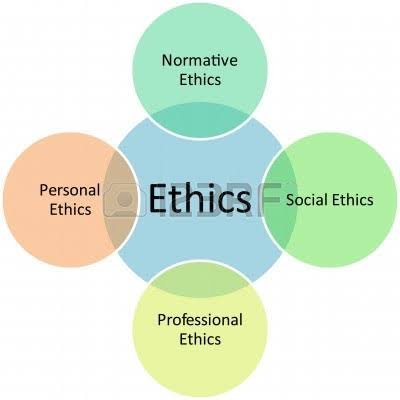
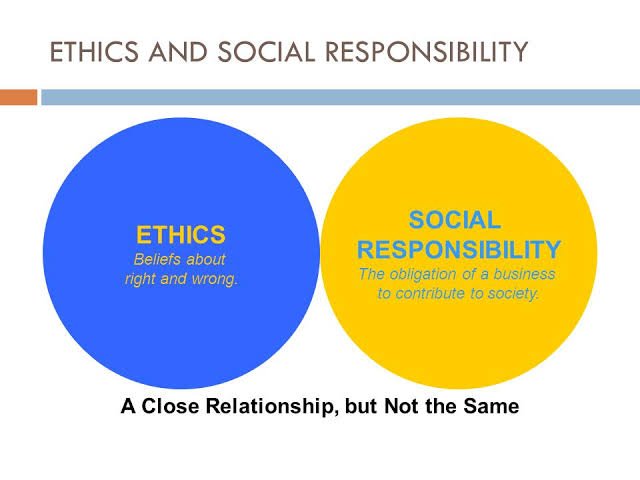
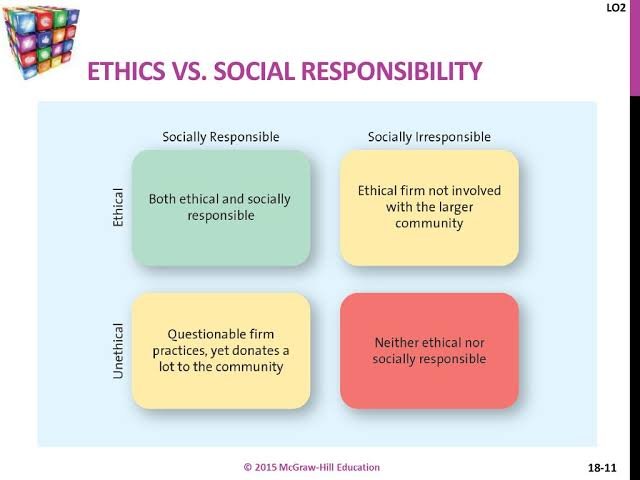
Business ethics refers to the moral principles and values that guide decision-making and behavior within an organization. It goes beyond mere compliance with laws and regulations, focusing on integrity, honesty, fairness, and respect for stakeholders. By practicing ethical behavior, businesses foster trust and credibility, which ultimately leads to enhanced reputation and customer loyalty.
2. The Role of CSR:
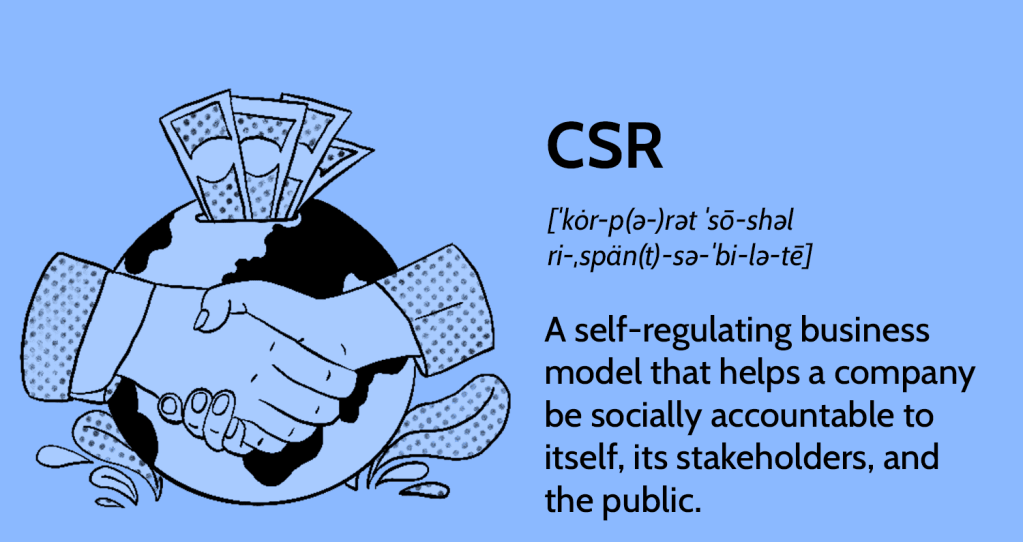
Corporate Social Responsibility (CSR) involves a company’s efforts to positively impact society and the environment. It is about going beyond profit-making and aligning business operations with the needs and expectations of various stakeholders, including employees, customers, communities, and the planet. CSR initiatives can range from promoting sustainability and diversity to philanthropy and community engagement.
3. Benefits of Embracing Ethics and CSR:
3.1 Enhanced Reputation: Ethical practices and CSR initiatives build a positive image for the organization, attracting customers, investors, and talented employees who share similar values.
3.2 Customer Loyalty: Consumers today are more socially conscious and prefer to support businesses that demonstrate ethical conduct and contribute to society. By prioritizing ethics and CSR, companies can foster strong customer loyalty and gain a competitive edge.
3.3 Employee Engagement: A strong ethical culture and CSR initiatives can boost employee morale, job satisfaction, and loyalty. Employees feel proud to work for an organization that makes a positive impact, leading to increased productivity and reduced turnover.
3.4 Risk Mitigation: Ethical practices and CSR can help mitigate risks associated with legal and regulatory compliance, public relations crises, and reputational damage. By being proactive, organizations can avoid costly consequences and maintain a resilient business environment.
3.5 Long-Term Sustainability: Businesses that prioritize ethics and CSR are more likely to create sustainable business models. By considering the environmental and social impact of their operations, they can adapt to evolving societal expectations and secure long-term success.
Conclusion:
In today’s interconnected and socially conscious world, businesses cannot afford to overlook the importance of ethics and CSR. By embedding ethical principles and implementing impactful CSR initiatives, organizations can not only create a positive impact on society but also drive their own success. So, let’s embrace business ethics and corporate social responsibility, and together, we can build a better future for all.
Categories: Business Ethics, Corporate Social Responsibility, Sustainability, Ethics in Business
 NTA NET PAPER II MANAGEMENT
Leave a comment