Introduction:
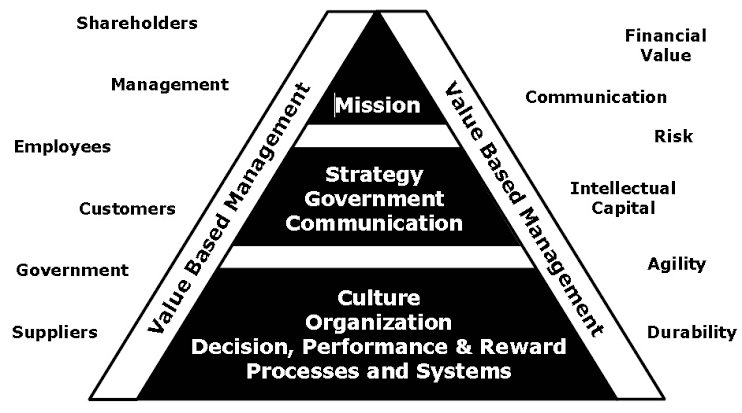
Welcome to our blog on building a value-based organization! In today’s business landscape, organizations that prioritize values and ethical practices are not only more successful but also make a positive impact on society. In this article, we will explore the importance of being a value-based organization, how it contributes to long-term success, and provide practical examples. Join us on this journey towards building a thriving and socially responsible company.
Table of Contents:
1. Understanding Value-Based Organizations
2. Key Elements of a Value-Based Organization
2.1 Strong Core Values
2.2 Ethical Decision-Making
2.3 Employee Engagement and Well-being
2.4 Social and Environmental Responsibility
3. Benefits of Being a Value-Based Organization
3.1 Enhanced Reputation and Brand Image
3.2 Attraction and Retention of Top Talent
3.3 Customer Loyalty and Trust
3.4 Long-Term Financial Performance
4. Examples of Value-Based Organizations
4.1 Patagonia: A Commitment to Environmental Sustainability
4.2 Whole Foods Market: Ethical Sourcing and Healthy Living
4.3 Microsoft: Diversity and Inclusion
5. Steps to Building a Value-Based Organization
5.1 Define and Communicate Core Values
5.2 Embed Values in Organizational Culture
5.3 Establish Ethical Guidelines and Decision-Making Frameworks
5.4 Foster Employee Engagement and Well-being
5.5 Embrace Corporate Social Responsibility Initiatives
6. Conclusion
1. Understanding Value-Based Organizations:
A value-based organization is one that places a strong emphasis on core values and integrates them into its business practices, decision-making processes, and interactions with stakeholders. Such organizations operate with a purpose beyond profits and strive to make a positive impact on society and the environment.
2. Key Elements of a Value-Based Organization:
2.1 Strong Core Values:
Core values serve as guiding principles that define the organization’s culture, behaviors, and decision-making. They create a shared sense of purpose and guide employees in aligning their actions with the organization’s mission and vision.
2.2 Ethical Decision-Making:
Value-based organizations prioritize ethical decision-making, considering the impact of choices on stakeholders, society, and the environment. They promote transparency, honesty, and integrity in all business dealings.
2.3 Employee Engagement and Well-being:
Valuing employees as the organization’s greatest asset is crucial. A value-based organization fosters a supportive and inclusive work environment, encourages employee growth and development, and prioritizes work-life balance and well-being.
2.4 Social and Environmental Responsibility:
A value-based organization embraces corporate social responsibility initiatives, taking steps to minimize its environmental footprint, contribute positively to local communities, and address societal challenges.
3. Benefits of Being a Value-Based Organization:
3.1 Enhanced Reputation and Brand Image:
A strong commitment to values and ethical practices enhances an organization’s reputation and builds trust among stakeholders, including customers, investors, and the general public.
3.2 Attraction and Retention of Top Talent:
Value-based organizations attract and retain top talent who align with their mission and values. Employees are motivated by the organization’s purpose, leading to increased job satisfaction and productivity.
3.3 Customer Loyalty and Trust:
Customers are increasingly inclined to support organizations that demonstrate ethical practices and contribute to society. By aligning with their values, value-based organizations cultivate customer
loyalty and trust, resulting in long-term relationships and customer advocacy.
3.4 Long-Term Financial Performance:
Contrary to the misconception that values and profits are mutually exclusive, value-based organizations often achieve sustainable financial success. By focusing on long-term goals, building strong stakeholder relationships, and making ethical decisions, they create a solid foundation for profitability and resilience.
- Examples of Value-Based Organizations:
4.1 Patagonia: A Commitment to Environmental Sustainability:
Patagonia, an outdoor clothing and gear company, is renowned for its strong commitment to environmental sustainability. They actively engage in initiatives to reduce their carbon footprint, promote fair labor practices, and advocate for environmental conservation. This dedication to their values has not only strengthened their brand but also attracted a loyal customer base.
4.2 Whole Foods Market: Ethical Sourcing and Healthy Living:
Whole Foods Market, a supermarket chain, focuses on providing organic and sustainable products while promoting healthy living. They prioritize ethical sourcing, support local communities, and champion fair trade practices. This value-based approach has resonated with conscious consumers seeking quality and sustainable products.
4.3 Microsoft: Diversity and Inclusion:
Microsoft has placed a significant emphasis on fostering diversity and inclusion within their organization. They strive to create an inclusive work culture that values diverse perspectives and backgrounds. By prioritizing these values, they not only attract top talent but also cultivate innovation and creativity.
- Steps to Building a Value-Based Organization:
5.1 Define and Communicate Core Values:
Identify the core values that reflect the organization’s mission, vision, and desired culture. Clearly communicate these values to all stakeholders, ensuring alignment and understanding.
5.2 Embed Values in Organizational Culture:
Integrate values into the organization’s culture by promoting behaviors and practices that align with the defined core values. This can include training programs, recognition and rewards systems, and fostering open communication channels.
5.3 Establish Ethical Guidelines and Decision-Making Frameworks:
Develop ethical guidelines and decision-making frameworks that help employees navigate complex situations and make choices aligned with the organization’s values. Provide training and support to ensure adherence to these guidelines.
5.4 Foster Employee Engagement and Well-being:
Invest in initiatives that prioritize employee engagement, well-being, and professional development. Create a supportive work environment that values work-life balance, offers growth opportunities, and encourages open dialogue.
5.5 Embrace Corporate Social Responsibility Initiatives:
Identify social and environmental causes that align with the organization’s values and develop meaningful corporate social responsibility initiatives. This can include community involvement, sustainable practices, and philanthropic efforts.
- Conclusion:
Building a value-based organization is not only beneficial for society but also for long-term success. By prioritizing core values, ethical practices, and stakeholder relationships, organizations can create a positive impact while achieving sustainable financial performance. Embrace the journey of becoming a value-based organization and make a difference in the world while thriving in your industry.
 NTA NET PAPER II MANAGEMENT
Leave a comment