Category: Business and Leadership
Introduction
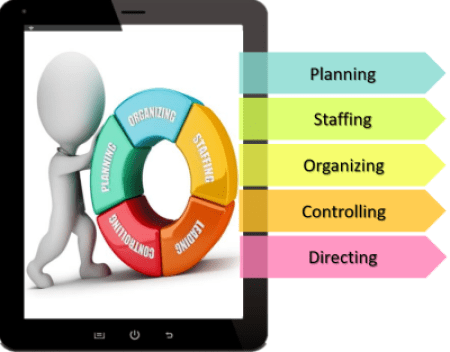
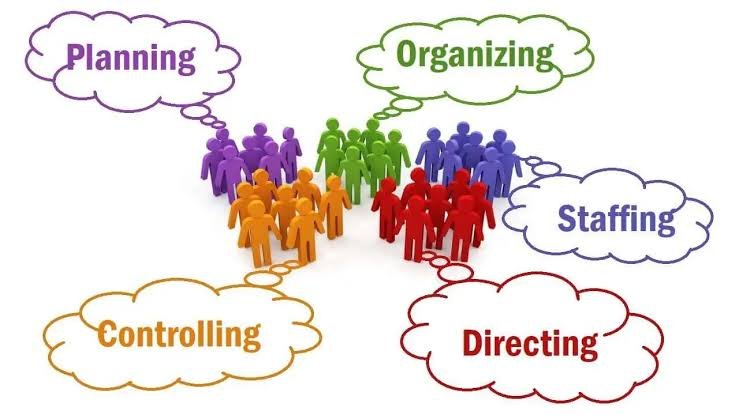
Management is like conducting an orchestra, where a manager plays a crucial role in harmonizing the efforts of individuals towards achieving organizational goals. To accomplish this, managers perform five key functions: planning, organizing, staffing, coordinating, and controlling. In this blog, we will explore these functions in simple terms, with real-life examples to help you grasp their significance. Let’s dive in!
1. Planning: Setting the Course
Planning is like charting a course before embarking on a journey. It involves defining goals, devising strategies, and determining the best ways to achieve them. Just as a traveler plans their route, a manager plans the path for their team or organization.
For example, imagine you’re starting a bakery business. Planning would involve deciding on your business goals, such as offering a variety of artisan bread and pastries, and creating a roadmap to achieve them. This may include selecting a suitable location, developing a product line, and designing a marketing strategy.
2. Organizing: Putting Pieces Together
Organizing is about arranging the necessary resources, tasks, and people to carry out the plans effectively. Think of it as assembling the ingredients, tools, and staff required to run your bakery smoothly.
Continuing with the bakery example, organizing would involve setting up the physical space, purchasing equipment and ingredients, and establishing roles and responsibilities for your employees. This ensures that everyone knows their tasks and works cohesively towards the common goal.
3. Staffing: Building the Dream Team
Staffing involves acquiring and developing a skilled workforce that can contribute to the success of the organization. It’s like handpicking the talented bakers, pastry chefs, and customer service representatives who will bring your bakery to life.
To staff your bakery, you would conduct interviews, assess candidates’ skills and experience, and select individuals who align with your business values. Additionally, you might provide training and development opportunities to enhance their abilities and create a high-performing team.
4. Coordinating: Orchestrating Collaboration
Coordinating is all about ensuring that various individuals and teams work together harmoniously towards common objectives. It’s like conducting the musicians in an orchestra, bringing their unique talents together to create beautiful music.
In the context of the bakery, coordinating would involve overseeing the daily operations, facilitating effective communication among employees, and ensuring smooth collaboration between the kitchen, sales, and administrative teams. This coordination guarantees a seamless experience for customers and efficient functioning of the business.
5. Controlling: Staying on Track
Controlling is the function that helps managers monitor progress and make adjustments to ensure goals are met. It’s like constantly checking your bakery’s performance and making necessary tweaks to maintain quality and efficiency.
In the bakery scenario, controlling would involve tracking sales, analyzing customer feedback, and monitoring production processes to identify areas for improvement. For instance, if customer reviews suggest longer waiting times, you might reorganize the workflow or hire additional staff to address the issue.
Conclusion
The functions of management are the pillars that uphold successful organizations. By understanding and applying these functions—planning, organizing, staffing, coordinating, and controlling—managers can effectively lead their teams and guide their organizations towards success.
So, whether you’re planning a business venture, leading a team, or organizing an event, remember to apply these five functions to achieve your goals. Like a skilled conductor, you have the power to bring harmony and success to your endeavors.
Category: Business and Leadership
 NTA NET PAPER II MANAGEMENT
Leave a comment