

Category: Business and Leadership
Introduction
Management is a critical aspect of every organization, whether it’s a small startup or a multinational corporation. It involves a set of principles, processes, and skills aimed at achieving the organization’s goals effectively and efficiently. In this blog, we will explore the concept of management, delve into its process, discuss various management theories and approaches, and shed light on the essential roles and skills that managers should possess. Let’s dive in!
Understanding Management
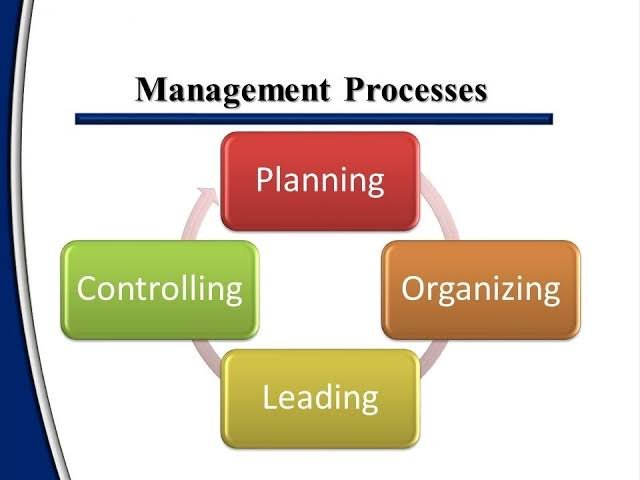
At its core, management is the art of coordinating and overseeing resources, including people, time, money, and materials, to achieve organizational objectives. It involves planning, organizing, leading, and controlling activities within an organization to ensure that goals are met.
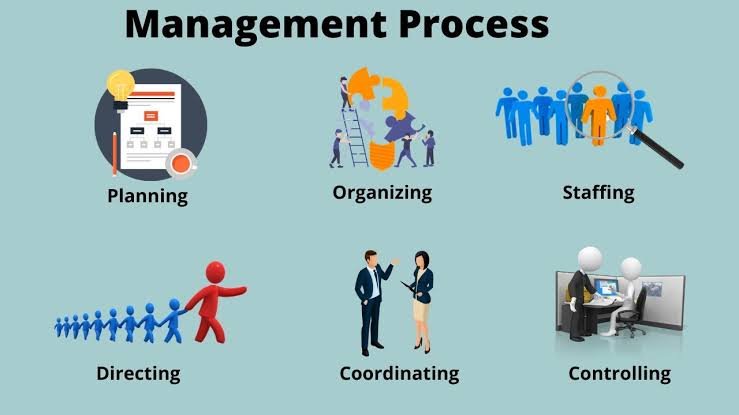
The Management Process
1. Planning: This initial step involves setting objectives, developing strategies, and creating action plans. For example, a marketing manager may plan a new product launch by defining target markets, setting pricing strategies, and outlining promotional activities.
2. Organizing: Once the plans are in place, managers organize resources and tasks to execute them effectively. This includes assigning roles and responsibilities, establishing reporting structures, and ensuring the availability of necessary resources.
3. Leading: Leaders inspire and motivate their teams to work towards the common goal. Effective leadership involves clear communication, providing guidance, resolving conflicts, and fostering a positive work environment. A team leader, for instance, may inspire their members by setting an example, recognizing achievements, and providing constructive feedback.
4. Controlling: The final step involves monitoring progress, comparing it to the desired outcomes, and taking corrective actions if necessary. This ensures that the organization stays on track. For instance, a project manager may analyze project milestones and adjust schedules or resources to meet deadlines.
Management Theories and Approaches
1. Classical Management Theory: Developed by Frederick Taylor and Henri Fayol, this theory focuses on creating a scientific approach to management. It emphasizes hierarchical structures, standardization of processes, and maximizing efficiency.
2. Human Relations Theory: Proposed by Elton Mayo, this theory highlights the importance of human interactions and relationships in the workplace. It emphasizes the role of motivation, employee satisfaction, and group dynamics in improving productivity.
3. Systems Theory: This approach views organizations as complex systems composed of interrelated parts. It recognizes the interdependencies and interactions between various elements within an organization and aims to optimize the system as a whole.
Management Roles and Skills
1. Planning and Decision-Making: Managers need to set clear goals, create effective strategies, and make informed decisions based on available information.
2. Communication: Effective communication skills are essential for managers to convey expectations, provide feedback, and foster a collaborative work environment.
3. Leadership: Managers must inspire and motivate their teams, delegate tasks, and provide guidance and support to achieve organizational goals.
4. Problem Solving: Managers should be able to identify problems, analyze the root causes, and develop appropriate solutions to overcome obstacles.
5. Adaptability: In a dynamic business environment, managers must be open to change, embrace innovation, and be flexible in their approach to meet evolving demands.
Conclusion
Management is an integral part of every organization, and mastering its concepts, processes, theories, roles, and skills is crucial for success. By understanding the core principles of management and adopting the right approaches, managers can effectively lead their teams and drive their organizations towards achieving their goals. Whether it’s a business, a sports team, or a nonprofit organization, strong management lays the foundation for excellence.
So, let’s embrace the art of management and unlock the doors to success in any field!
Category: Business and Leadership
 NTA NET PAPER II MANAGEMENT
Leave a comment