

Category: Business and Leadership
Introduction
Decision making is an integral part of our personal and professional lives. From simple everyday choices to complex business decisions, our ability to make informed and effective decisions greatly impacts our success. In this blog, we will explore the concepts of decision making, break down the decision-making process, discuss various techniques, and highlight helpful tools to enhance your decision-making skills. Let’s dive in and become masters of decision making!
Understanding Decision Making
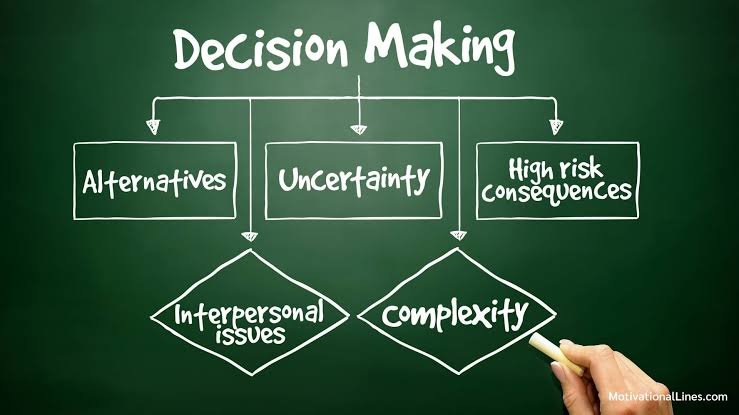
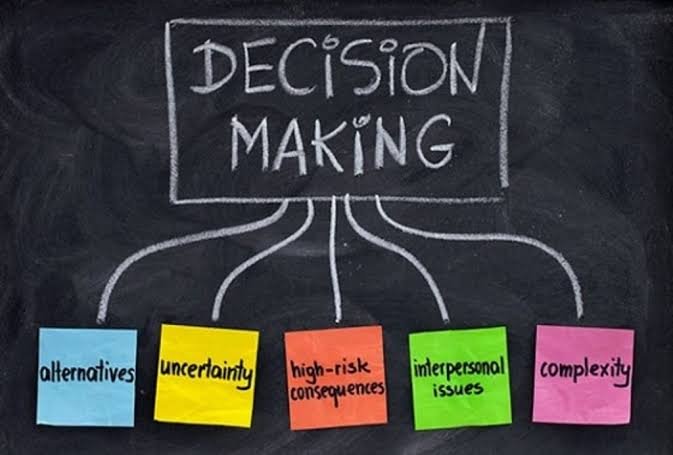
Decision making involves selecting the best course of action from multiple alternatives based on available information and desired outcomes. It requires analyzing, evaluating, and choosing the option that maximizes benefits or achieves desired goals while considering potential risks.
The Decision-Making Process
1. Identify the Decision: The first step is to clearly define the decision that needs to be made. This involves understanding the problem, opportunity, or challenge at hand and clarifying the desired outcome.
2. Gather Information: Collect relevant data and information that will aid in making an informed decision. This may involve conducting research, seeking expert opinions, or analyzing past trends and patterns.
3. Evaluate Alternatives: Generate and assess multiple options or alternatives that could potentially address the decision at hand. Consider the pros and cons, potential risks, and alignment with desired outcomes.
4. Make the Decision: Select the best alternative based on the information and evaluation conducted. This step may involve applying logical reasoning, considering personal judgment, or utilizing decision-making techniques (discussed further below).
5. Implement the Decision: Develop an action plan and execute the chosen alternative. Communicate the decision to relevant stakeholders and allocate necessary resources to carry out the chosen course of action.
6. Evaluate the Outcome: Assess the results and consequences of the decision. Reflect on whether the desired outcomes were achieved, evaluate the effectiveness of the chosen alternative, and learn from the process.
Decision-Making Techniques
1. SWOT Analysis: This technique involves evaluating the strengths, weaknesses, opportunities, and threats associated with each alternative. It helps in understanding the internal and external factors that impact the decision.
2. Pros and Cons Analysis: List the advantages and disadvantages of each alternative. This technique helps in weighing the benefits and drawbacks to make a balanced decision.
3. Decision Matrix: Create a matrix that assigns weights and scores to various decision criteria. This technique helps in quantifying and comparing alternatives based on multiple factors.
4. Cost-Benefit Analysis: Assess the costs and benefits associated with each alternative. This technique helps in evaluating the financial and non-financial impacts of the decision.
Decision-Making Tools
1. Decision Trees: Visualize decisions and potential outcomes using decision trees. This tool helps in understanding the various paths and probabilities associated with different choices.
2. Pareto Analysis: Use the Pareto principle (80/20 rule) to prioritize alternatives based on their impact. This tool helps in focusing on the vital few factors that have the most significant influence.
3. Brainstorming: Engage in group discussions or individual brainstorming sessions to generate creative alternatives and ideas. This tool encourages diverse thinking and fosters innovation.
Conclusion
Mastering decision making is a valuable skill that can drive success in both personal and professional domains. By understanding the concepts of decision making, following a systematic decision-making process, employing effective techniques, and utilizing helpful decision-making tools, you can enhance your ability to make informed and impactful decisions.
Remember, decision making is a continuous process of learning and improvement. With practice, you can become a confident and skilled decision maker, leading yourself and others towards achieving desired outcomes.
Category: Business and Leadership
 NTA NET PAPER II MANAGEMENT
Leave a comment