
Introduction:
Managerial Economics is a branch of economics that applies economic principles and tools to solve managerial decision-making problems. It combines economic theory with business practices to help managers make rational and informed decisions. In this blog post, we will explore the concept of managerial economics and discuss its importance in the business world.
What is Managerial Economics?
Managerial Economics deals with the application of economic theories, concepts, and methodologies to analyze and solve problems faced by managers in decision-making. It provides a framework for understanding the economic factors that influence business decisions and helps managers make optimal choices to achieve their organization’s goals.
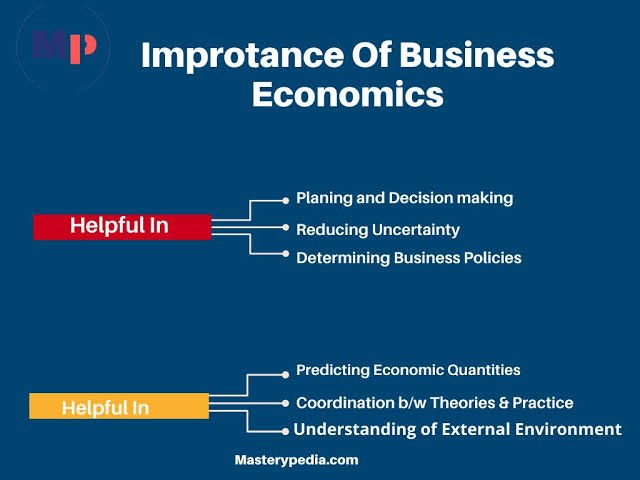
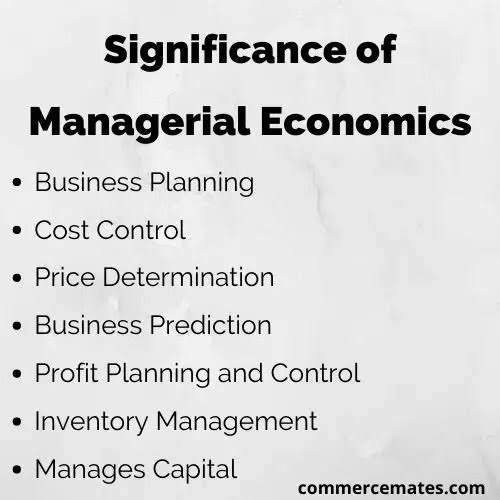
Importance of Managerial Economics:
- Efficient Resource Allocation: Managerial Economics helps managers allocate scarce resources, such as capital, labor, and raw materials, effectively. By considering the cost and benefit analysis, managers can determine the most efficient use of resources to maximize profits or minimize costs.
- Demand Analysis: Understanding consumer demand is crucial for any business. Managerial Economics enables managers to analyze consumer behavior, demand patterns, and market trends. This knowledge helps in pricing decisions, product development, and effective marketing strategies.
- Pricing Strategies: Determining the right price for a product or service is a critical decision for managers. Managerial Economics provides tools like demand elasticity, cost analysis, and market structure analysis to set optimal prices that maximize revenue and maintain competitiveness.
- Profit Maximization: The primary goal of any business is to maximize profits. Managerial Economics equips managers with the knowledge and tools to analyze costs, revenues, and market conditions to identify profit-maximizing strategies. It helps managers in decision-making related to production levels, pricing, cost control, and market expansion.
- Risk Analysis: Businesses operate in an uncertain environment, and managers need to assess and manage risks effectively. Managerial Economics helps in analyzing the impact of risks and uncertainties on business decisions. It enables managers to make informed choices by considering factors such as probability, expected value, and risk aversion.
Conclusion:
Managerial Economics plays a crucial role in the decision-making process within organizations. It provides managers with the necessary tools and frameworks to analyze complex business problems, make informed choices, and achieve their organizational goals. By integrating economic principles into managerial decision-making, businesses can enhance their efficiency, competitiveness, and overall performance in the dynamic and ever-changing business environment.
Categories: Managerial Economics, Business Decision-making, Resource Allocation, Demand Analysis, Pricing Strategies, Profit Maximization, Risk Analysis.
 NTA NET PAPER II MANAGEMENT
Leave a comment