


Introduction:
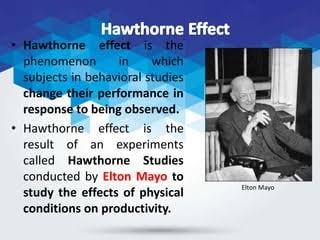
The Hawthorne Effect reveals how observation can positively influence people’s behavior and performance. Originating from studies conducted at the Western Electric Hawthorne Works, this phenomenon has broad implications in psychology, sociology, and management. In this blog post, we’ll explore the Hawthorne Effect, its core principles, and provide straightforward examples to illustrate its practical relevance.
Understanding the Hawthorne Effect:
The Hawthorne Effect occurs when individuals alter their behavior due to the awareness of being observed. Simply being under observation can lead to improved performance, increased motivation, and enhanced productivity, regardless of external factors or interventions.
Examples of the Hawthorne Effect:
1. Exercise and Fitness: Keeping a fitness journal to record your workouts can motivate you to put more effort, stay focused, and achieve better results.
2. Classroom Setting: Acknowledging students’ participation in class discussions can significantly increase their engagement and willingness to contribute.
3. Workplace Performance: When employees know their work is being closely monitored, they often demonstrate higher levels of diligence, attention to detail, and timeliness.
Implications:
The Hawthorne Effect has implications for management, research, and personal development. Understanding how observation influences behavior enables individuals to enhance productivity, motivation, and overall effectiveness.
Conclusion:
The Hawthorne Effect reveals the power of observation in shaping human behavior. By recognizing its influence, individuals can leverage observation to improve their performance in various contexts. Whether in the workplace, education, or personal pursuits, understanding and harnessing the Hawthorne Effect can lead to enhanced outcomes and achievements.
 NTA NET PAPER II MANAGEMENT
Leave a comment