
Category: Leadership Development
Introduction:
Leadership is crucial for the success of any organization. As times change, new ideas about leadership are emerging. One idea that is getting a lot of attention is called Leader Exchange Management Theory. In this blog post, we will explore this theory and what it means for leaders.
Understanding Leader Exchange Management Theory:
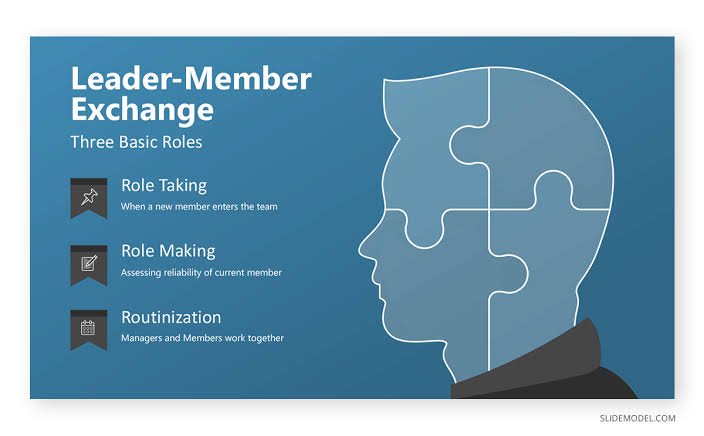
Leader Exchange Management Theory is a way of leading that focuses on the relationship between leaders and their team members. It says that leaders have different relationships with different team members. Some team members are in the “in-group,” which means they have a close relationship with the leader. Other team members are in the “out-group,” which means they have a more distant relationship.
Easy Example:
Let’s imagine a soccer team with a coach named Alex. Alex believes in building strong relationships with each player. Some players show a lot of dedication and skill, so Alex spends more time with them, giving them special attention and opportunities to grow. These players are in the in-group. Other players are still important, but they don’t get as much individual attention. They are in the out-group. Alex treats everyone fairly and helps them perform their best.
The Power of In-Group Relationships:
When leaders have strong relationships with their team members, great things can happen. Players in the in-group feel more motivated and satisfied. They work harder and come up with creative solutions. They feel trusted and important, so they take ownership of their tasks. This makes the whole team perform better.
Expanding Leadership Potential:
By focusing on building strong relationships, leaders can discover new leaders among their team members. These emerging leaders can be given more responsibilities and opportunities to grow. This not only helps the team perform better, but it also prepares future leaders who can take on important roles in the future.
Applying Leader Exchange Management Theory:
Leaders can apply this theory by getting to know their team members, offering support and guidance, giving feedback, and creating a culture of trust and communication. They should treat everyone fairly and look for potential leaders who can be given more responsibilities.
Conclusion:
Leader Exchange Management Theory is a new way of thinking about leadership. By building strong relationships with team members and focusing on the in-group, leaders can create a positive work environment, improve performance, and develop future leaders. Embracing this theory can help leaders bring out the best in their teams and adapt to the changing world of business.
 NTA NET PAPER II MANAGEMENT
Leave a comment