Introduction:
In the world of economics and business, understanding the concept of demand is crucial for making informed pricing decisions. The demand curve serves as a valuable tool in analyzing consumer behavior and market dynamics. In this blog post, we will explore the demand curve, its significance in pricing strategy, and how businesses can leverage it to optimize their pricing decisions.
1. What is the Demand Curve?
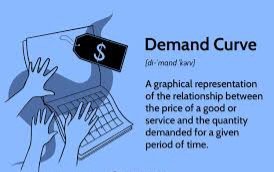
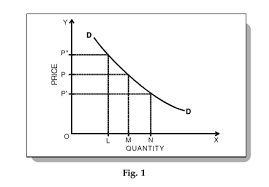
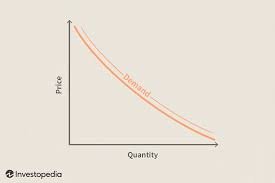
The demand curve represents the relationship between the price of a product or service and the quantity demanded by consumers. It is typically a downward-sloping line, indicating that as the price increases, the quantity demanded decreases, and vice versa. Understanding the shape and characteristics of the demand curve is essential for businesses to gauge consumer responsiveness to price changes.
2. Factors Influencing the Demand Curve:
Several factors affect the position and shape of the demand curve. These include consumer preferences, income levels, price of related goods, and overall market conditions. By analyzing these factors, businesses can gain insights into how changes in these variables impact the demand for their products or services.
3. Utilizing the Demand Curve for Pricing Strategy:
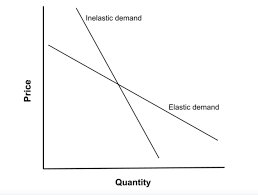
The demand curve provides valuable information for businesses to set optimal prices that maximize revenue and profitability. By analyzing the elasticity of demand, which measures the sensitivity of quantity demanded to price changes, businesses can determine the pricing strategy that aligns with their objectives.
4. Price Elasticity and its Implications:
Price elasticity of demand measures how responsive consumers are to changes in price. Understanding price elasticity helps businesses identify whether their products or services are price-sensitive or price-inelastic. This knowledge allows them to adjust their pricing strategy accordingly, such as implementing dynamic pricing, bundling, or promotional strategies.
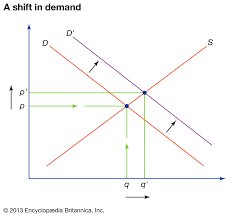
5. Demand Curve Shifts:
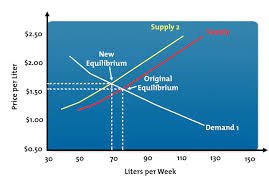
Changes in external factors can shift the entire demand curve. For instance, an increase in consumer income or a shift in consumer preferences can result in a higher or lower demand for a product at every price level. Businesses must stay vigilant to market trends and adapt their pricing strategies to accommodate such shifts.
Conclusion:
The demand curve is a fundamental concept in pricing strategy that provides businesses with insights into consumer behavior and market dynamics. By analyzing the demand curve and understanding the factors influencing it, businesses can make informed pricing decisions that maximize revenue and profitability. Remember, pricing is a dynamic process, and businesses should continuously monitor and adjust their strategies to stay competitive in the market.
https://pagead2.googlesyndication.com/pagead/js/adsbygoogle.js?client=ca-pub-3482330748000937
 NTA NET PAPER II MANAGEMENT
Leave a comment