
Introduction:
In the vast landscape of online marketing, understanding consumer behavior and demand patterns is crucial for businesses to succeed. One such important concept is cross demand, which refers to the relationship between different products or services that share a complementary demand. In this blog post, we will delve into the world of cross demand, explore its significance, and provide actionable insights for optimizing your website to cater to this unique consumer behavior.
What is Cross Demand?
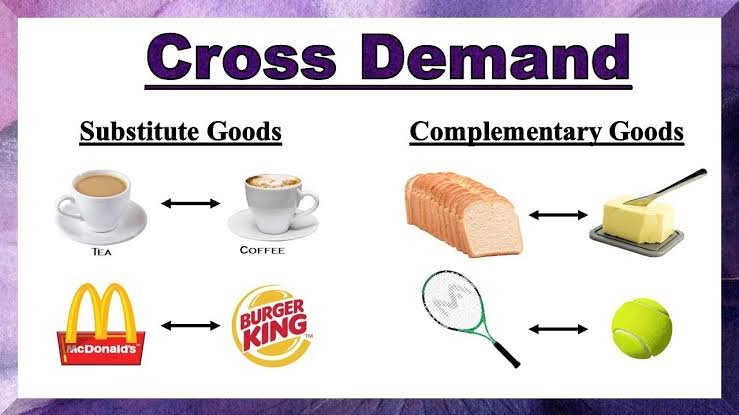
Cross demand occurs when the demand for one product or service positively affects the demand for another related product or service. In simpler terms, it means that consumers who are interested in one product are likely to be interested in a complementary product as well. For instance, if someone purchases a camera, they may also be interested in buying camera lenses, tripods, or photography accessories.
The Significance of Cross Demand:
Understanding cross demand is crucial for businesses as it opens up opportunities to increase sales and revenue. By identifying the complementary products or services that your target audience is likely to be interested in, you can effectively market those products to maximize your sales potential. Cross demand can also help businesses identify new revenue streams and optimize their product offerings to cater to customer preferences.
Optimizing Your Website for Cross Demand:
To tap into the potential of cross demand and make your website more Google-friendly, follow these effective strategies:
1. Identify Complementary Products: Analyze your product/service offerings and identify the items that are commonly purchased together. This can be done by studying customer purchase patterns, conducting market research, or using data analytics tools.
2. Create Bundled Offers: Once you have identified the complementary products, consider creating bundled offers or packages that incentivize customers to purchase multiple items. Highlight the cost savings or additional value they can gain by purchasing the bundle.
3. Optimize Product Recommendations: Utilize data-driven algorithms to display personalized product recommendations based on customer behavior and purchase history. Implementing recommendation engines can help increase cross-selling opportunities by suggesting complementary items during the customer’s browsing or checkout process.
4. Enhance Navigation and User Experience: Ensure that your website has a user-friendly interface with intuitive navigation. This will make it easier for visitors to explore and discover related products, thereby increasing the chances of cross-selling.
5. Content Marketing and SEO: Develop informative and engaging content around cross-demand topics. Write blog posts, guides, or product comparisons that highlight the benefits of using complementary products together. Optimize this content with relevant keywords and meta tags to improve your website’s visibility in search engine results.
Conclusion:
Cross demand plays a significant role in influencing consumer behavior and presents businesses with unique opportunities for growth. By understanding the relationships between complementary products and optimizing your website accordingly, you can effectively tap into this consumer behavior and boost sales. Remember to regularly analyze customer data, monitor market trends, and adapt your strategies to stay ahead in the ever-evolving landscape of cross demand.
 NTA NET PAPER II MANAGEMENT
Leave a comment