
Introduction:
In the world of economics, various market structures exist, each characterized by its own unique features and dynamics. These market structures play a crucial role in determining the behavior of firms, pricing strategies, and overall market competitiveness. In this blog post, we will delve into four primary market structures: perfect competition, monopoly, monopolistic competition, and oligopoly. We will explore the distinguishing features of each structure and provide easy-to-understand examples to illustrate their concepts.
1. Perfect Competition:
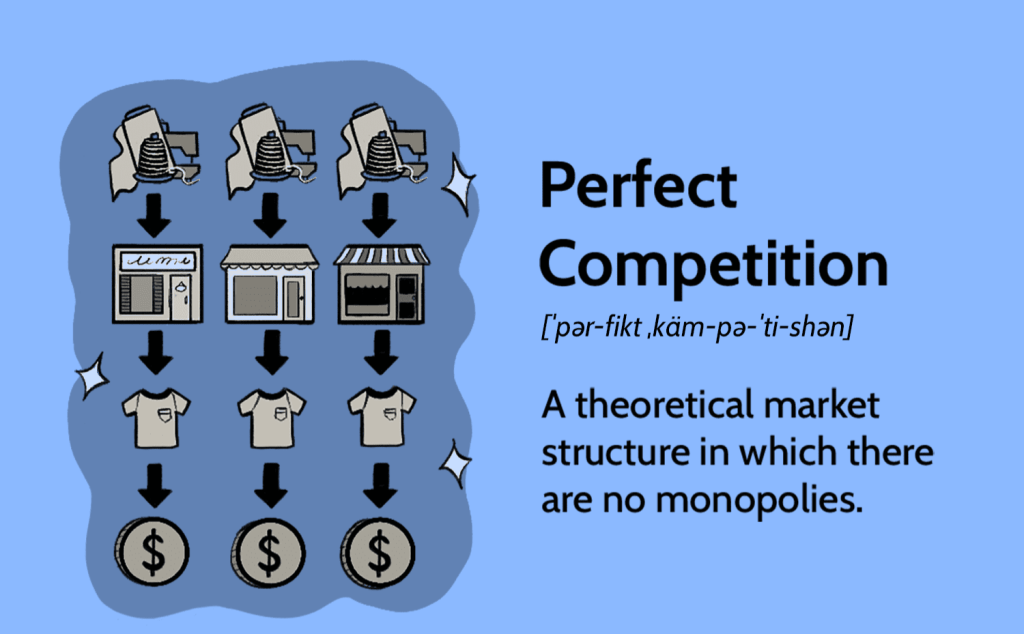
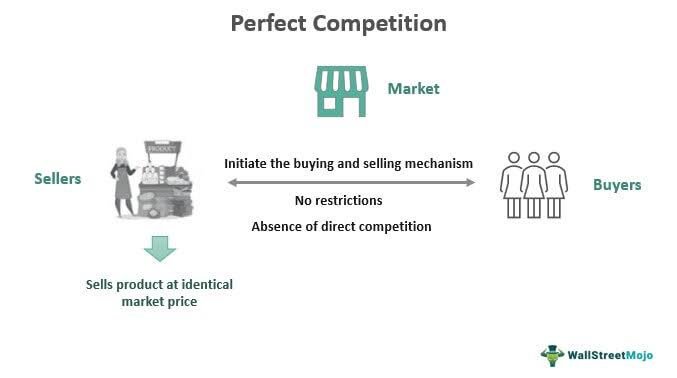
In a perfect competition market structure, numerous small firms compete with each other in selling homogeneous products. The key features of perfect competition include:
Feature: Factors of production are freely mobile between firms.
Example: Consider a market where multiple small-scale farmers produce identical vegetables and sell them to local grocery stores. Since there are no barriers to entry or exit, farmers can easily switch between selling to different stores based on prevailing prices.
2. Monopoly:
A monopoly market structure exists when a single firm controls the entire market, offering a unique product or service. The key features of a monopoly include:
Feature: Legal restrictions on the entry of new firms.
Example: Think of a scenario where a pharmaceutical company holds exclusive patents for a life-saving drug. Due to patent protection, no other firm can legally produce and sell that drug, giving the company a complete monopoly over its distribution and pricing.
3. Monopolistic Competition:
Monopolistic competition combines elements of both monopoly and perfect competition. It involves many firms producing differentiated products, leading to a limited degree of market power. The key features of monopolistic competition include:
Feature: Product is differentiated.
Example: Picture a local restaurant industry where several establishments offer various cuisines and dining experiences. Each restaurant tries to set itself apart by offering unique menus, ambiance, or service, leading to product differentiation in the market.
4. Oligopoly:
An oligopoly market structure occurs when a small number of large firms dominate a particular industry. The key features of oligopoly include:
Feature: Homogeneous or differentiated products.
Example: Let’s consider the smartphone market, where a few major players, such as Apple, Samsung, and Huawei, hold significant market share. While they offer differentiated features and branding, they compete in terms of product quality, innovation, and pricing strategies.
Conclusion:
Understanding different market structures is crucial for comprehending the dynamics of various industries. Perfect competition, monopoly, monopolistic competition, and oligopoly each possess distinct features that influence the behavior of firms and market outcomes. By recognizing these features and studying real-world examples, we can gain a deeper understanding of how markets function and the implications they have on consumers, producers, and the economy as a whole.
 NTA NET PAPER II MANAGEMENT
Leave a comment