


Introduction:
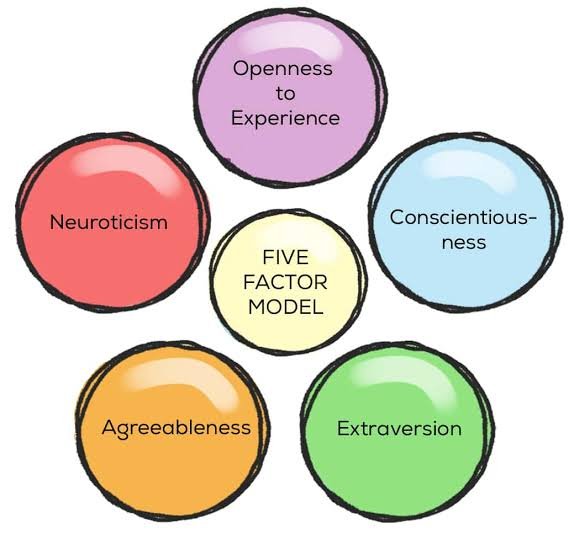
Understanding human personality is a complex endeavor, but the Big Five Factor Personality Theory offers valuable insights into the fundamental dimensions of personality. This theory, also known as the Five-Factor Model (FFM), has gained widespread recognition and serves as a framework for comprehending and categorizing individual differences in personality traits. In this blog post, we will delve into the Big Five Factor Personality Theory, exploring each dimension and shedding light on its relevance in our lives.
1. Openness to Experience:
The first factor of the Big Five Theory, openness to experience, reflects an individual’s inclination towards novelty, imagination, and intellectual curiosity. People high in this trait tend to be imaginative, creative, open-minded, and receptive to new ideas and experiences. They often enjoy art, cultural activities, and exploring diverse perspectives.
2. Conscientiousness:
Conscientiousness describes the tendency to be organized, responsible, and goal-directed. Individuals high in conscientiousness are often dependable, diligent, and focused on achieving their objectives. They are often seen as reliable and efficient, and they value planning, order, and structure in their lives.
3. Extraversion:
Extraversion represents the extent to which individuals seek social interactions, enjoy being in the company of others, and derive energy from external stimuli. People high in extraversion tend to be outgoing, energetic, and enthusiastic. They often thrive in social settings, are assertive, and enjoy being the center of attention.
4. Agreeableness:
Agreeableness relates to an individual’s tendency to be cooperative, compassionate, and empathetic towards others. People high in agreeableness are often warm, friendly, and considerate. They value harmonious relationships, show empathy, and are willing to compromise for the well-being of others.
5. Neuroticism:
Neuroticism reflects the degree to which individuals experience negative emotions such as anxiety, depression, and stress. People high in neuroticism may be prone to worry, mood swings, and emotional instability. They often perceive situations as more threatening and are more likely to experience psychological distress.
Conclusion:
The Big Five Factor Personality Theory offers a comprehensive framework for understanding human personality and individual differences. By examining the dimensions of openness to experience, conscientiousness, extraversion, agreeableness, and neuroticism, we can gain valuable insights into how people perceive and interact with the world around them. By recognizing these traits in ourselves and others, we can enhance our self-awareness, improve our relationships, and foster personal growth.
Remember to embrace the diversity of personality traits, as no one trait is inherently superior to another. The combination of these dimensions shapes the unique personality of each individual, making our world a vibrant and fascinating place.
So, which dimension of the Big Five Theory resonates with you the most? Share your thoughts in the comments below!
https://pagead2.googlesyndication.com/pagead/js/adsbygoogle.js?client=ca-pub-3482330748000937
 NTA NET PAPER II MANAGEMENT
Leave a comment