“Fighting for Fair Wages: A Story of Empowerment and Change”

Sure! Here’s a simple real-life example to explain the concept of minimum wage:
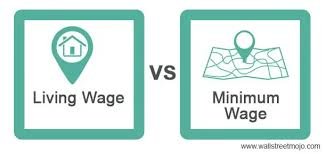
Imagine a small town called Sunnyville, where people work in different jobs to earn money. In Sunnyville, the government has set a minimum wage, which is the least amount of money an employer can legally pay an employee for an hour of work.
Let’s say the minimum wage in Sunnyville is $10 per hour. This means that if you have a job in Sunnyville, your employer must pay you at least $10 for every hour you work.
For example, let’s meet Sarah, who works at a local grocery store. Sarah is paid the minimum wage of $10 per hour. She works for 8 hours a day, 5 days a week. So, in a week, Sarah earns $10 multiplied by 8 hours per day, which is $80 per day. Multiply that by 5 days, and Sarah earns $400 per week.
Now, let’s imagine that the government increases the minimum wage to $12 per hour. Sarah’s employer must now pay her at least $12 for every hour she works. Since Sarah works the same hours as before, her weekly earnings would increase. Now, she would earn $12 multiplied by 8 hours per day, which is $96 per day. Multiply that by 5 days, and Sarah now earns $480 per week.
This increase in the minimum wage means that Sarah will have more money in her pocket each week to cover her expenses or save for the future.
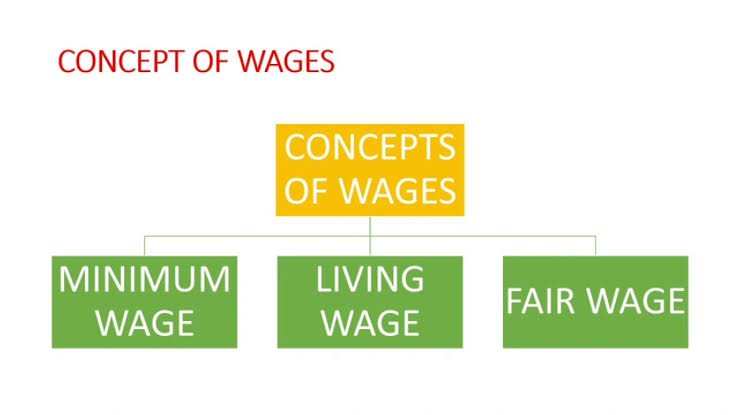
The purpose of the minimum wage is to ensure that workers receive a fair wage for their labor and to provide a basic standard of living. It helps protect workers from being exploited by employers who might try to pay them very low wages. By setting a minimum wage, the government aims to create a more equitable and just society, where people can earn a decent income and have a better quality of life.
Remember, this example is simplified, but it gives you a basic understanding of how the minimum wage works in real life.
Once upon a time, in a small town named Greenwood, there lived a hardworking woman named Sarah. Sarah had been working as a cashier at a local grocery store for several years, struggling to make ends meet. Despite her dedication and long hours, her wages were barely enough to cover her basic expenses.
One day, Sarah came across an article in the newspaper about a movement advocating for fair wages. Inspired by the stories of individuals fighting for their rights, she decided to take a stand for herself and her fellow workers.
Sarah began organizing meetings with her colleagues, discussing their shared concerns and brainstorming ways to bring attention to their plight. They realized that the key was to highlight the importance of fair wages not only for themselves but also for the entire community. They started by gathering data on the cost of living in Greenwood and how their current wages fell short.
Armed with the facts and armed with passion, Sarah and her co-workers scheduled a meeting with the store manager. They presented their case, providing evidence of the low wages in comparison to the rising costs of living. They emphasized their commitment to their jobs and the importance of being able to support their families.
To their surprise, the store manager listened attentively and acknowledged the validity of their concerns. He expressed his own struggles in managing the store’s finances but agreed to look into the matter. He promised to analyze the budget and explore possibilities for increasing the wages of the employees.
Months passed, and Sarah and her colleagues continued their daily work, hoping for positive change. One day, they received an invitation from the store manager for another meeting. Filled with both hope and apprehension, they gathered in the manager’s office.
To their delight, the store manager informed them that after careful consideration and financial analysis, the company had decided to implement a fair wage policy. He shared the details of the new wage structure, which ensured that employees received a livable income based on the local cost of living.
The news spread like wildfire throughout Greenwood, capturing the attention of the local community. Customers were inspired by the store’s commitment to fair wages and began showing increased support. They realized that by paying fair wages, the store was investing in its employees, who, in turn, could provide better services and contribute more to the community.
The store’s decision had a domino effect. Other businesses in Greenwood started reevaluating their wage policies, recognizing the positive impact of fair compensation on employee morale and overall community well-being. Eventually, fair wages became a norm in the town, empowering workers and fostering a stronger local economy.
Sarah’s story became an inspiration for workers across the region, prompting them to raise their voices for fair wages. The movement gained momentum, leading to broader conversations about income inequality and the need for a fairer society.
Sarah’s determination and the collective efforts of her co-workers had sparked a positive change in Greenwood, proving that when people stand together for a just cause, real-life fairy tales can come true.
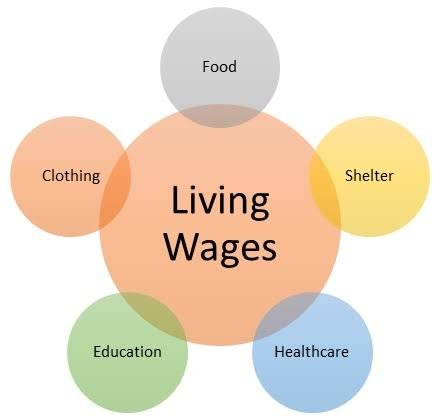
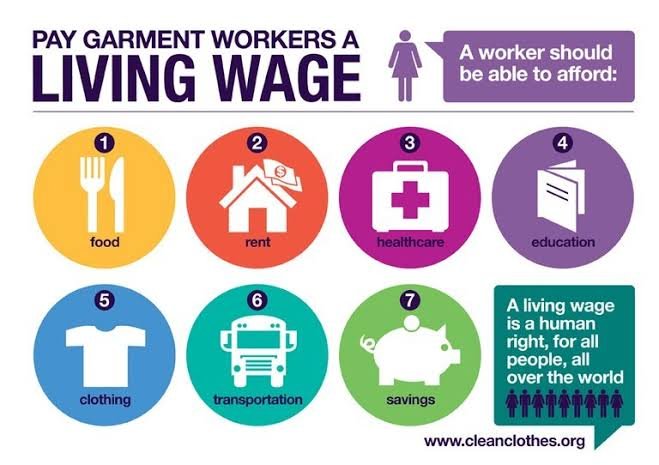
A living wage is a fair wage that allows individuals and families to meet their basic needs and maintain a decent standard of living. To help illustrate this concept, let’s consider a simple real-life example:
Meet Sarah, a single parent with two children. Sarah works full-time as a retail store cashier, earning a minimum wage. With her current wage, Sarah struggles to cover her family’s essential expenses, such as rent, utilities, groceries, transportation, healthcare, and childcare.
However, if Sarah were to receive a living wage, her situation would significantly improve. With a living wage, Sarah would earn enough to afford a safe and comfortable apartment in a decent neighborhood. She would have the means to provide nutritious meals for her children, access quality healthcare services, and ensure they have a stable and nurturing environment.
Moreover, a living wage would also enable Sarah to save for unexpected expenses and invest in her children’s education. With these financial burdens alleviated, Sarah could focus more on her family’s well-being, spend quality time with her children, and engage in activities that contribute to their personal growth and development.
In summary, a living wage provides individuals like Sarah with the necessary financial stability to meet their basic needs and enjoy a decent quality of life. It allows them to escape the cycle of poverty, reduce stress and anxiety, and create a more secure future for themselves and their families.
https://pagead2.googlesyndication.com/pagead/js/adsbygoogle.js?client=ca-pub-3482330748000937
 NTA NET PAPER II MANAGEMENT
Leave a comment